Abdul El-Sayed wins Michigan Senate race, becomes first Muslim senator
Democrat Abdul El-Sayed defeated Republican Mike Rogers in Michigan on 3 November to become the first Muslim elected to the US Senate.
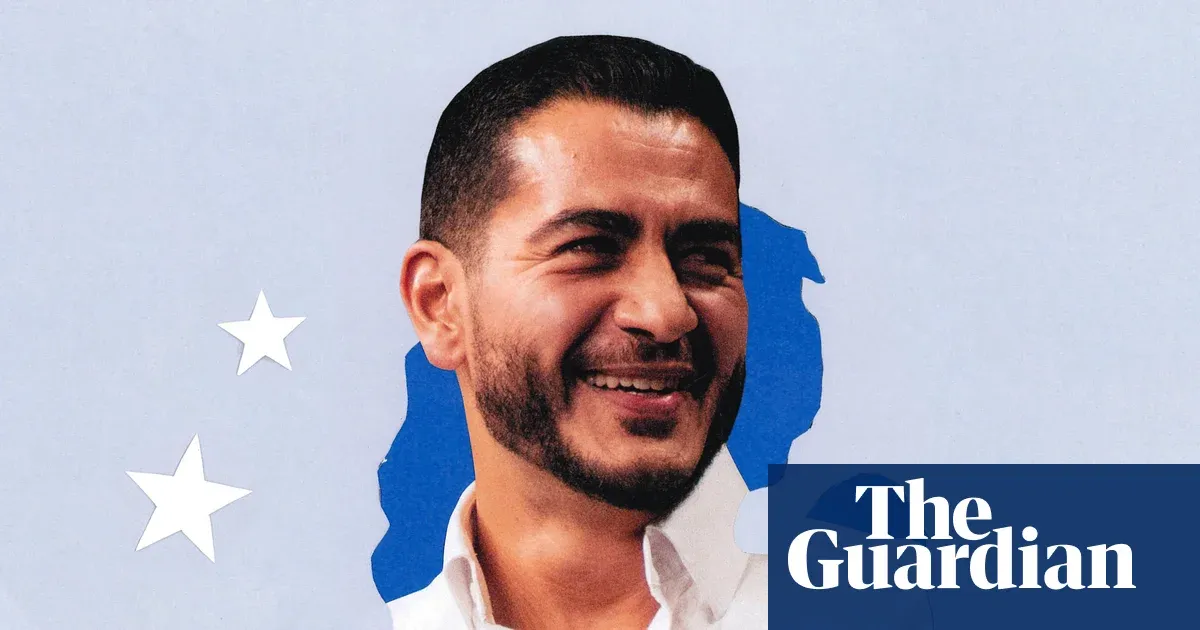 Photo: The Guardian
Key points
Abdul El-Sayed won Michigan's Senate seat, becoming the first Muslim elected to the US Senate.
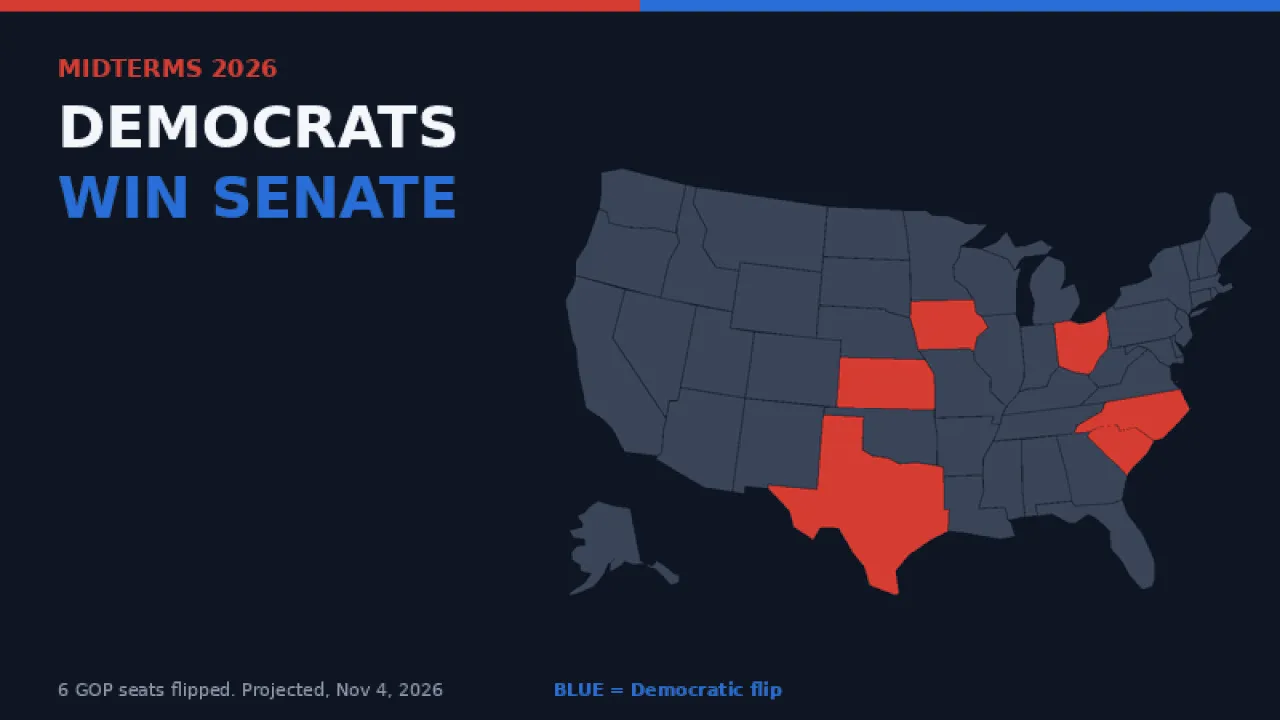
Abdul El-Sayed, a 42-year-old progressive Democrat, defeated Republican Mike Rogers in Michigan's Senate race on 3 November, becoming the first Muslim elected to the US Senate. The victory adds to a decisive Democratic majority in the Senate after the party wrested control of the upper chamber with shock wins in Texas, Kansas, and South Carolina.
El-Sayed declared victory early on Wednesday at the state Democrats' headquarters in Detroit. "You took a chance on the unlikeliest of candidates," he told the crowd, adding, "You welcomed me in your homes, your churches, your synagogues." He credited a movement built over a year and a half of campaigning in Michigan's biggest cities and smallest towns.
A historic victory
The race was seen as a test of whether a progressive insurgent could win a swing state. El-Sayed, a former Wayne County health director, upset the Democratic establishment favourite Haley Stevens in the primary earlier this year. He advocated for the Medicare for All proposal for universal healthcare and called for an end to US military aid for Israel.
Both candidates were running to succeed Gary Peters, an outgoing Democratic senator who has held the seat since 2015. Rogers, a former congressman endorsed by Donald Trump, previously lost the 2024 Senate race to Elissa Slotkin by roughly 0.3 percentage points. Republicans cast the general election as a referendum on the Democratic left.
El-Sayed's nomination prompted Trump to call him a "communist", a "jihadist", and a member of the Egyptian Muslim Brotherhood. The president also mocked his Arabic name, frequently referring to him by his middle name, Mohamed. El-Sayed said his denigrators chose to be divisive rather than address the cost of gas and groceries because they didn't have an answer to the problems he said they created.
Overcoming attacks
In his victory speech, El-Sayed took aim at Vice President JD Vance and Trump. "JD, habibi, it is an irony—you are constitutionally obligated to swear me in, in January," he said. "Donald, I know you struggle with my name, so when JD swears me in, you can call me senator." The feud with Vance had intensified after El-Sayed sarcastically questioned whether the vice president's late, white Appalachian-born grandfather would have approved of his Indian American wife.
The pro-Israel lobby Aipac, through its Super PAC United Democracy Project, spent roughly $30m in the primary trying to stop El-Sayed, a record for a single race. More than $220m in total ad spending had been poured into the general election by mid-October by both parties, according to AdImpact. El-Sayed overcame the spending through a grassroots campaign centred on universal healthcare.
The son of Egyptian immigrants, El-Sayed is a former public health official who has never held elected office. His win makes him the first Democratic physician to serve in the US Senate since 1969. He also pledged to take "money out of politics" and tackle the economic hardships that have fuelled voters' appetite for a political outsider who can challenge the status quo.
What comes next
El-Sayed received backing from prominent progressive leaders, including Representative Alexandria Ocasio-Cortez. His win is expected to give fresh momentum to the progressive movement ahead of the 2028 presidential election, demonstrating that candidates campaigning on its agenda can succeed in crucial battleground states. "They want an America that is too small for some of us," El-Sayed said. "We know that America is big enough for all of us."
Rogers had backed Trump's aggressive tariff policy and war with Iran, before breaking with the president on both in the closing weeks of the campaign. He has previously opposed the Affordable Care Act, defended the Trump administration's immigration enforcement, and repeated Trump's false claims about the 2020 election. A Fox News poll in August found 54% of Michigan voters thought El-Sayed's positions were too extreme, though 51% also said Rogers was too close to Trump.
Frequently asked questions
Who is Abdul El-Sayed?
Abdul El-Sayed is a 42-year-old progressive Democrat, former Wayne County health director, and son of Egyptian immigrants. He has never held elected office. He won Michigan's Senate race on 3 November, becoming the first Muslim elected to the US Senate.
What did Abdul El-Sayed campaign on?
El-Sayed campaigned on universal healthcare, specifically the Medicare for All proposal, and called for an end to US military aid for Israel. He also pledged to take 'money out of politics' and tackle economic hardships.
How did El-Sayed overcome opposition?
Despite record outside spending against him, including $30m from Aipac's Super PAC in the primary, El-Sayed built a grassroots campaign. He also faced Islamophobic attacks from Trump and Republican allies but won with support from progressive leaders like Alexandria Ocasio-Cortez.