Judge detains ex-OpenAI engineer Alfozan in Saudi recording device case
US magistrate judge Alex Tse denied Abdulrahman Alfozan bail on 19 October 2026, citing Saudi government support, after prosecutors said he planted a recording device in an OpenAI conference room.
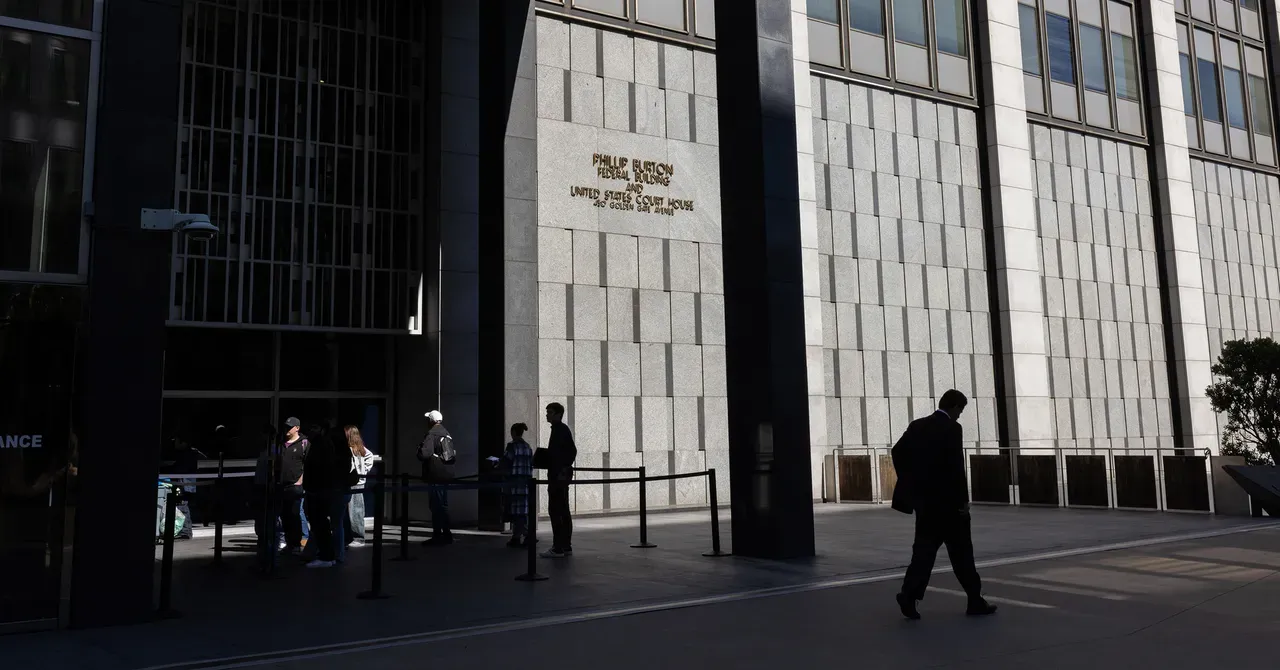 Photo: WIRED
Key points
Former OpenAI engineer Abdulrahman Alfozan was denied bail after prosecutors accused him of planting a recording device and receiving Saudi government support.
Abdulrahman Alfozan, a former OpenAI engineer, was ordered to remain in custody on 19 October 2026 by US magistrate judge Alex Tse in San Francisco. Alfozan, 35, is charged with using an electronic device to intercept private conversations in an executive conference room at OpenAI, facing up to five years in prison if convicted.
The detention matters because prosecutors argued Alfozan poses a flight risk with support from the Saudi government, which has no extradition treaty with the United States. Unlike a typical employee theft case, this one involves alleged amateur spycraft and contacts with a member of the Saudi royal family, drawing national security attention.
Why the judge denied bail
Judge Tse questioned whether Alfozan was an asset for the Saudi kingdom and how a bond backed by the government could keep him in the country. Tse said the Saudi offer seemed like a blank check, adding that he was more interested in Alfozan's family putting up assets. He found a significant risk of non-appearance.
Alfozan's attorney, William Pernik, dismissed the flight risk concerns as baseless and requested release under home detention, GPS monitoring, and a bond backed by additional signatories. Pernik said there is no evidence Alfozan spied for Saudi Arabia or engaged in anything covert, noting the conference room was open for anyone to work in.
OpenAI security personnel discovered a concealed recording device on 30 September, plugged into a USB port behind a television in a restricted executive conference room and wrapped in toilet paper. The device had allegedly been installed two days earlier. The room was used for meetings involving confidential research, product development, commercial strategies, and government relationships.
How the device was found
On 5 October, a camera placed in the room filmed Alfozan entering and appearing to look behind the television where the recorder had been inserted. A second similar device was later found in his bag. Authorities also found recording device components at his home and photos of OpenAI monitors on his phone. The device's data was encrypted, so it is unclear what was recorded.
Pernik told the judge the electronics found at Alfozan's home were for home monitoring projects, including improving a smart litter box for the family's cat. He described Alfozan as someone who spent 15 years immersed at the intersection of technology and personal life. Prosecutors cited Alfozan's $385,000 salary and $2.2 million profit-sharing package at OpenAI as evidence he had the means to flee.
Prosecutors said Alfozan was in frequent communication via WhatsApp with an unidentified member of the Saudi royal family throughout 2025 and 2026, with their most recent exchange on 5 October. In a May 2026 message, the royal wrote that Saudi needs Alfozan more than the US, and Alfozan replied 100, indicating agreement. The filing does not allege the royal instructed him to install the device.
What prosecutors allege about Saudi ties
After Alfozan's arrest on 9 October, his wife Lujain Alassaf and infant son flew from San Francisco to Doha on 10 October on a one-way business class ticket paid for by a Saudi military official. Alfozan had booked a one-way flight to Riyadh for 12 October. His attorneys said the trip was for family and immigration reasons, as his wife needed to renew her student visa.
Alfozan has not been charged with espionage or acting as a foreign agent. Prosecutors have not identified the royal or established a direct connection between the Saudi government and the alleged surveillance operation. The FBI investigation remains ongoing, and additional charges are possible beyond the single interception count. Alfozan's wife has not been accused of wrongdoing, and the FBI declined to comment on whether she would face charges. The Saudi government did not respond to requests for comment. Alfozan's next court appearance was scheduled for later on 19 October in federal court in San Francisco.
Frequently asked questions
Why was Abdulrahman Alfozan denied bail?
Judge Alex Tse denied bail on 19 October 2026, citing the Saudi government's offer to support Alfozan with no strings attached as a blank check and finding a significant risk he would not appear in court.
What device did OpenAI find in its conference room?
OpenAI discovered a recording device wrapped in toilet paper, plugged into a USB port behind a television in an executive conference room, on 30 September. A second device was later found in Alfozan's bag.
What charges does Alfozan face?
Alfozan faces a single count of using an electronic device to intercept communications, carrying a maximum penalty of five years in prison. He has not been charged with espionage.