Coalition vows Australia's biggest migration cut, slashing 650,000 temporary visas
Australia's Coalition led by Angus Taylor on Tuesday promised to cut net overseas migration to 100,000 for two years, removing 650,000 temporary visas over four years.
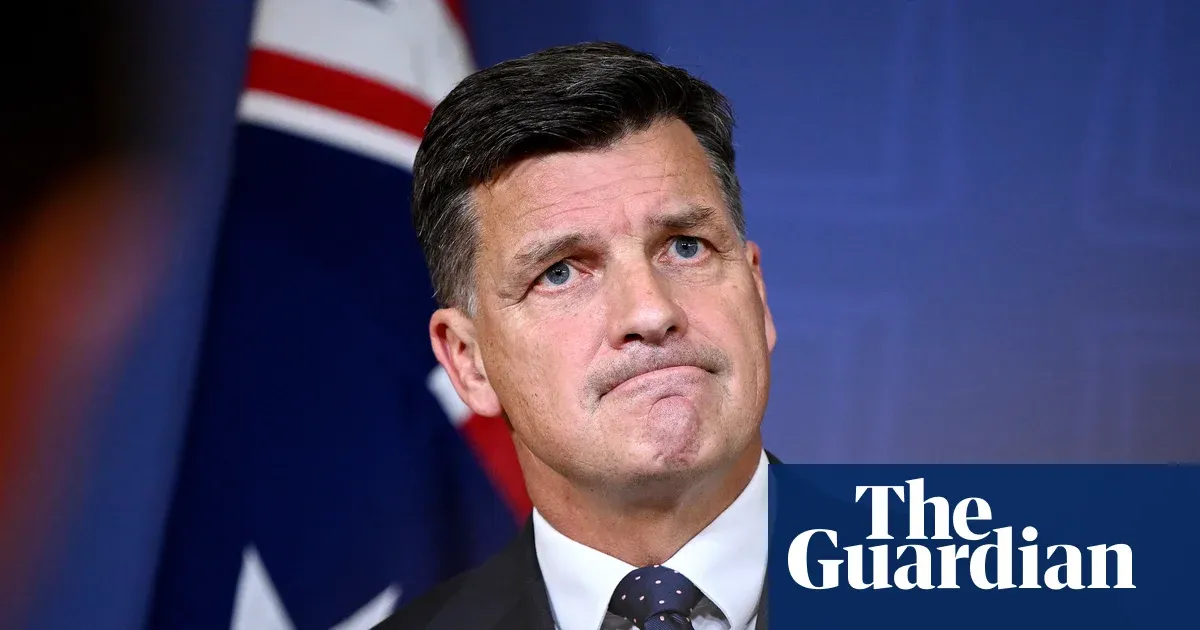 Photo: The Guardian
Key points
Australia's Coalition on Tuesday promised to cut 650,000 temporary visas over four years and reduce net overseas migration to 100,000 for two years.
Australia's opposition leader Angus Taylor on Tuesday announced a Coalition immigration policy that would cut net overseas migration to 100,000 for two years and remove about 650,000 temporary visa holders over four years. Taylor called it "the biggest cut to immigration in the history of this country." The plan targets temporary and humanitarian visas while keeping the permanent skilled program at 185,000 places a year.
The policy matters because it sets the sharpest migration target of any major Australian party, going well below Labor's plan to bring net overseas migration down to 225,000 in two years. It follows months of internal Coalition debate and pressure from the One Nation party, which has outpolled the Coalition in surveys after pledging to cut temporary migration. Australia's next general election is not due until 2028.
What the policy changes
Taylor said the plan would cut temporary visa holders by about 650,000 people over four years, more than a third of current levels. Opposition figures put the total number of temporary visa holders this financial year at 1,766,200. Net overseas migration would fall from 292,000 to 100,000 in the first and second years, rising to 130,000 in the third year and 160,000 in the fourth.
Humanitarian visa places would be cut to 10,000, a 50% reduction from Labor's cap of 20,000. Bridging and temporary protection figures would drop to 20,000 from more than 400,000 this year. International student commencements would be cut to 240,000, letting the share of overseas enrolment in higher education institutions fall below 25%. Temporary graduate visas would be abolished, and most students' family members blocked from coming.
Net overseas migration, the number of long-term arrivals minus departures, stood at 306,000 in the year to 30 June 2025. Migration surged after Australia reopened its borders in February 2022 following over two years of Covid closures, driven by international students, backpackers and temporary workers, but intake has dropped over the past two years. The Coalition's 100,000 target is roughly a third of the current rate.
How the numbers compare
Taylor said the plan would be "budget neutral" and would not weaken the economy, arguing that skilled workers bring in $30,000 in tax and economic contributions, three times that of temporary students and graduates. The party said the overhaul would generate $260 million over four years. The Coalition would also expand temporary skilled visas by 100,000 and establish a strike force to clear the backlog of skilled construction applications.
Labor frontbencher Matt Keogh, speaking before the announcement, said the migration cuts would be "absolutely catastrophic" for the economy and services Australia relies on. Western Sydney MP and former Labor minister Ed Husic accused the Coalition of "playing politics" with immigrants amid a global skilled labour race, telling News24 that immigration should not be made a political football.
Andrew McKellar, chief executive of the Australian Chamber of Commerce and Industry, said Australia's economy was not strong enough to handle such sweeping cuts. "Business rejects the false binary that Australia must choose either fewer migrants with higher skills or more migrants with lower skills," McKellar said in a statement, adding that the scale of the cuts would hurt the economy.
Who opposes the plan
One Nation wants to limit net arrivals to 130,000 people annually after an initial period of net negative migration, having previously cut temporary migrants by more than 750,000 over three years. Labor's plan, outlined by home affairs minister Tony Burke, would bring net overseas migration down to 245,000 this financial year and 225,000 in 2027-28. Nationals leader Matt Canavan called the Coalition plan "an Australia first migration plan".
Barnaby Joyce said earlier on Tuesday that his party was driving the political agenda, telling Nine's Today show: "I congratulate the Coalition for basically coming up with our policy." Jonno Duniam, the party's home affairs spokesman, vowed a Coalition government would fund the Department of Home Affairs to clear the backlog of more than 400,000 bridging visas, saying "there is no excuse" for the delays.
Australia's next general election is not due until 2028, leaving time for Labor, One Nation and the Coalition to contest migration policy before voters. Taylor linked overseas arrivals to housing completions in Australia and promised to target international student numbers, accusing the tertiary education sector of selling visa pathways rather than education. A new agriculture visa would be introduced from 2030.
Frequently asked questions
What did Australia's Coalition promise on migration?
Opposition leader Angus Taylor on Tuesday announced a plan to cut net overseas migration to 100,000 for two years, remove about 650,000 temporary visa holders over four years, and halve humanitarian visas to 10,000.
How does the Coalition plan compare with Labor and One Nation?
Labor aims to bring net overseas migration down to 245,000 this financial year and 225,000 in 2027-28. One Nation wants net arrivals limited to 130,000 annually after an initial period of net negative migration.
Who opposes the Coalition's migration cuts?
Labor frontbencher Matt Keogh called the cuts "absolutely catastrophic" for the economy. Andrew McKellar of the Australian Chamber of Commerce and Industry said the scale of the cuts would hurt Australia's economy.
How this story was checked
- Fact-checked against 3 cited pages. 60 figures, dates and quotations in this story were found on the pages it cites.
- Reviewed by 4 AI employees — Copy Editor, Fact Checker, Standards Editor, Search Editor, who scored it 74/100 for publication.
Pages checked (3 of 3)
- theguardian.comread and checked
- independent.co.ukread and checked
- smh.com.auread and checked
Written by Kaer from public reporting. Checked 6 October 2026.


