Australia sanctions two men over Iran-directed 2024 arson
Australia named Zohair Hassib and Kazem Hamad under counterterrorism financing sanctions over 2024 firebombings at a Melbourne synagogue and a Sydney kosher restaurant.
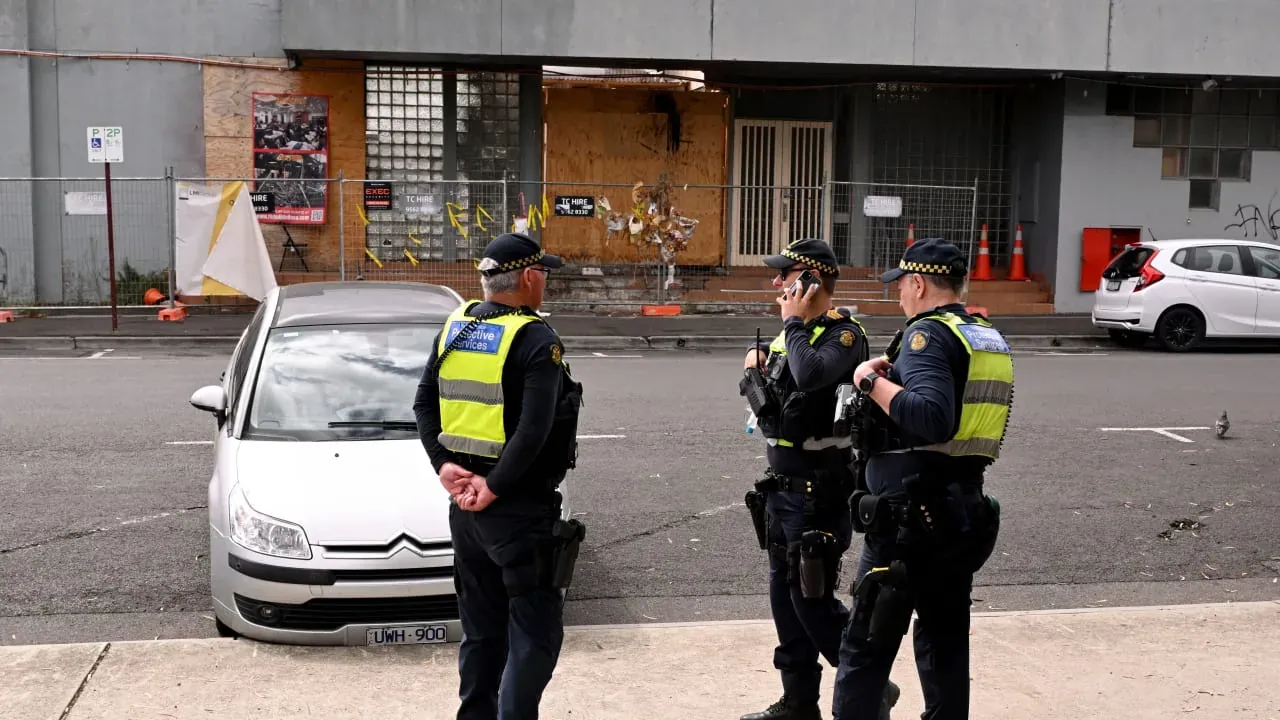 Photo: The Jerusalem Post
Key points
Australia placed counterterrorism financing sanctions on Zohair Hassib and Kazem Hamad over 2024 antisemitic arson attacks it says Iran directed.
Australia placed counterterrorism financing sanctions on two men it accuses of organising antisemitic arson attacks in Sydney and Melbourne in 2024, naming them publicly for the first time. Foreign Minister Penny Wong announced the designations of Zohair Hassib and Kazem Hamad, making it a criminal offence to use, deal with or make assets available to them.
The attacks targeted Melbourne's Adass Israel Synagogue and Sydney's Lewis Continental Kitchen. Wong said the two men used a "complex chain of proxies" to carry out the attacks on Iran's behalf. The designations follow a security assessment that the Islamic Revolutionary Guard Corps, Iran's powerful military branch, directed both firebombings through a network of intermediaries rather than its own agents.
Who the two men are
Hassib is an Australian-Afghan dual citizen and a senior agent of the Islamic Revolutionary Guard Corps who remains offshore in Iran, according to the ABC. Hamad is an Iraqi citizen and former Australian resident with extensive ties to organised crime and the illicit tobacco trade. He was deported to Iraq in 2023 and is behind bars for drug trafficking.
The sanctions follow the expulsion of Iranian ambassador Ahmad Sadeghi and three other diplomats in August last year, after ASIO concluded that the IRGC had directed both arson attacks. In August 2025, Australia ordered Iran's ambassador to leave, the first expulsion of its kind since World War Two, and suspended operations at its Tehran embassy.
Wong said the counterterrorism financing sanctions would restrict the individuals' access to funds and disrupt their ability to recruit, plan and conduct attacks. "These sanctions are an important step in disrupting the IRGC's ability to conduct attacks against Australians and Australian interests," she said in a statement. She noted Australia now lists 102 individuals and entities under counterterrorism financing sanctions, alongside 30 terrorist organisations and one state sponsor of terrorism.
Audit found enforcement failing
The designations landed less than a day after the Australian National Audit Office released a performance audit of the Australian Sanctions Office, the unit inside the Department of Foreign Affairs and Trade that administers Australia's sanctions regime. The probe found none of the 12 matters referred to law enforcement agencies since 2022 had resulted in any criminal prosecutions.
The audit found DFAT's follow-up of compliance actions "has not been sufficiently timely and effective". "Warning letters to those suspected of contravening sanctions laws constitute 80 per cent of regulatory actions taken by the department, but there has been an absence of follow-up by DFAT to assure itself that the warnings have had the desired effect," the report said.
The auditor-general also argued the sanctions office had failed to keep track of the most serious instances of non-compliance and lacked a proper case management system, relying instead on "uncontrolled spreadsheets" prone to file-corruption issues. Despite receiving a $23.2 million boost in the May budget, the audit found minimal use of the enforcement powers provided by sanctions law.
What the sanctions do
Pressed on whether sanctions were working as intended, Wong conceded the government needed "to do more" but insisted the measure still sent a strong diplomatic signal. "The previous government had established a sanctions office, but had insufficiently funded it," she said. She said the government had put in about $26 million additional for a more effective functioning.
DFAT agreed to all six recommendations from the audit office, pointing to work underway on a new case management system and a new compliance and enforcement strategy. The department is working to implement the recommendations to improve compliance with Australia's sanctions regime. The sanctions restrict the men's access to funds and aim to disrupt the IRGC's ability to recruit, plan and conduct attacks. Wong said the measures were an important step in disrupting the IRGC's ability to conduct attacks against Australians and Australian interests. The government has accepted all the audit office's recommendations and is working to strengthen its enforcement function.
Frequently asked questions
Who did Australia sanction over the 2024 arson attacks?
Australia sanctioned Zohair Hassib and Kazem Hamad under counterterrorism financing sanctions. Hassib is described as an Australian-Afghan dual citizen and senior IRGC agent in Iran. Hamad is an Iraqi citizen and former Australian resident deported to Iraq in 2023.
What attacks were the sanctions linked to?
The sanctions relate to 2024 firebombings at Melbourne's Adass Israel Synagogue and Sydney's Lewis Continental Kitchen. Foreign Minister Penny Wong said the two men used a complex chain of proxies to carry out the attacks on Iran's behalf.
Why did the audit office criticise sanctions enforcement?
The Australian National Audit Office found none of the 12 matters referred to law enforcement since 2022 led to prosecution. It said DFAT's follow-up was not sufficiently timely and effective, and that the sanctions office relied on uncontrolled spreadsheets.