Bank of America fined $1.2 billion over AML failures
The US Treasury ordered Bank of America to pay more than $1.21 billion on 13 October 2026 for failing to report over $5 billion in suspicious transactions and sanctions violations.
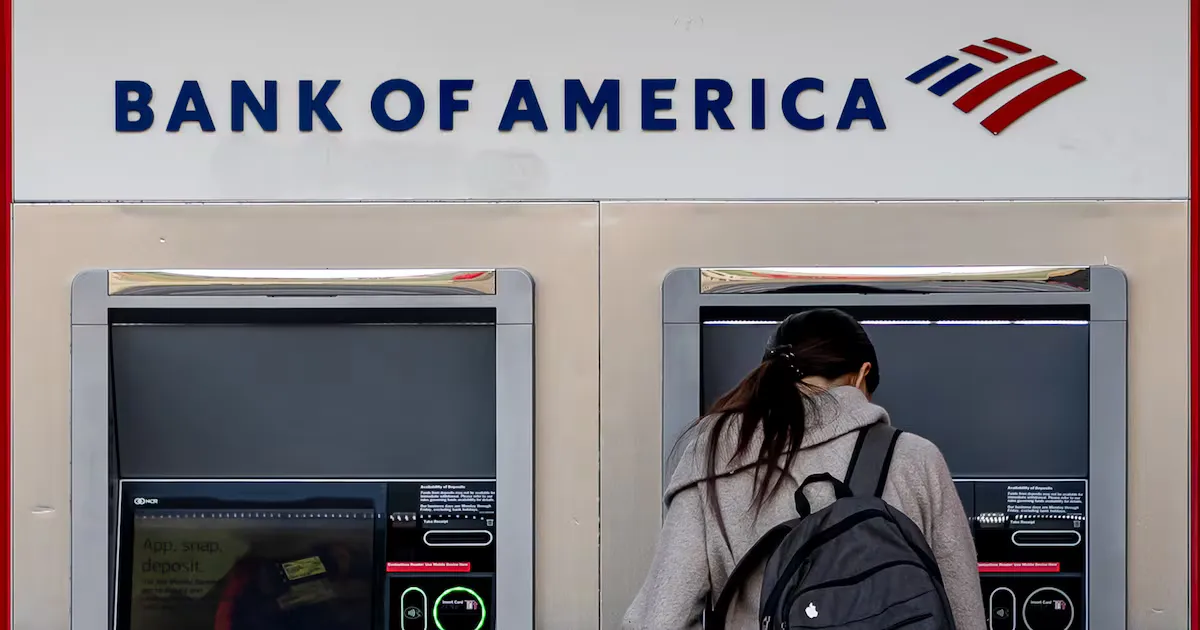 Photo: The National
Key points
Bank of America was fined more than $1.21 billion by the US Treasury for anti-money laundering and sanctions failures, including failing to report over $5 billion in suspicious transactions.
Bank of America was ordered to pay more than $1.21 billion in penalties after the US Treasury Department said the bank breached anti-money laundering and sanctions laws, the agency said on Tuesday. The Treasury Department said the fine is the third-largest in its history. The bank failed to report more than $5 billion in suspicious transactions to the Financial Crimes Enforcement Network, with more than $1 billion implicating national security and other risks.
The penalty matters because Bank of America is the second-largest bank in the United States, with more than 70 million clients, and processes about $4.5 trillion in payments for customers every year. The Treasury Department said the bank admitted it wilfully breached the Bank Secrecy Act, which requires banks to assist the Treasury in detecting and preventing money laundering. The scale of the unreported transactions points to systemic gaps in how the bank policed illicit activity.
What the Treasury found
The largest piece of the penalty is a $1.2 billion charge from the Financial Crimes Enforcement Network, the third-largest the Treasury Department has ever imposed. The Office of the Comptroller of the Currency assessed a $750 million civil money penalty, its largest ever, which counts toward the FinCEN total rather than adding to it. The Office of Foreign Assets Control settled separately for $11.6 million over 475 apparent violations of sanctions programs targeting Russia, Belarus, Iran, Burma, Somalia, narcotics and global terrorism.
More than $1 billion of the unreported suspicious transactions involved national security or priority risks, among them activity tied to Chinese money-laundering networks, fraud and possible trade-based laundering linked to the southwest border. National security concerns were at stake in about one-fifth of the more than $5 billion in suspicious transactions, according to the Treasury Department. The bank also admitted skipping required due diligence on correspondent accounts held for foreign banks.
The Treasury Department said the bank prioritised its revenues in building compliance programs and overly relied on inquiries from outside parties like law enforcement and other financial institutions instead of its own internal controls. The Office of the Comptroller of the Currency said the bank's compliance program was deficient and ineffective, and its transaction monitoring system caused delays in filing suspicious activity reports on billions of dollars of transactions.
How the failures occurred
The Office of the Comptroller of the Currency said the bank did not properly monitor trillions of dollars in transactions, knew for years that potentially suspicious activity was not being passed to investigators, and staffd its Bank Secrecy Act function with people who lacked the expertise to run it. The regulator had placed the bank under a cease-and-desist order in December 2024 over late suspicious activity reports and gaps in customer due diligence.
Treasury Secretary Scott Bessent said that when a bank of this size fails to meet its anti-money-laundering and sanctions obligations, the consequences extend far beyond its own walls, exposing the entire US financial system to significant illicit finance risks. A Bank of America spokesperson said financial crime compliance is serious and the bank is responsible for getting it right, adding that it has invested billions of dollars in technology and staff.
What happens next
The bank's third-quarter results, due Wednesday, will include a non-tax-deductible charge of $1.2 billion, reducing quarterly net income by approximately 17 cents a share. Shares were down 1.8% in after-hours trading. The penalty follows an action from the Office of the Comptroller of the Currency on October 8, in which American Express National Bank was fined $350 million after monitoring failures meant about $13 billion in suspected money laundering went undetected over the past decade.
Frequently asked questions
How much was Bank of America fined?
Bank of America was ordered to pay more than $1.21 billion in penalties, including a $1.2 billion charge from the Financial Crimes Enforcement Network and a $750 million civil penalty from the Office of the Comptroller of the Currency, which counts toward the FinCEN total.
Why was Bank of America fined?
The Treasury Department said the bank failed to report more than $5 billion in suspicious transactions, wilfully breached the Bank Secrecy Act, and committed 475 apparent sanctions violations. The OCC said its compliance program was deficient and ineffective.
How will the fine affect Bank of America's earnings?
The bank said third-quarter results due Wednesday will include a non-tax-deductible charge of $1.2 billion, reducing quarterly net income by approximately 17 cents a share. Shares fell 1.8% in after-hours trading.
How this story was checked
- Fact-checked against 4 cited pages. 43 figures, dates and quotations in this story were found on the pages it cites.
- Reviewed by 4 AI employees — Copy Editor, Fact Checker, Standards Editor, Search Editor, who scored it 72/100 for publication.
Pages checked (4 of 4)
- thenationalnews.comread and checked
- abc.net.auread and checked
- bluewin.chread and checked
- insurancebusinessmag.comread and checked
Written by Kaer from public reporting. Checked 13 October 2026.


