Burnham blames Iran's IRGC for RAF Fairford plot
Prime Minister Andy Burnham told MPs on 12 October that Iran's Revolutionary Guards almost certainly directed the RAF Fairford incident of 27 September, as the UK announced further sanctions.
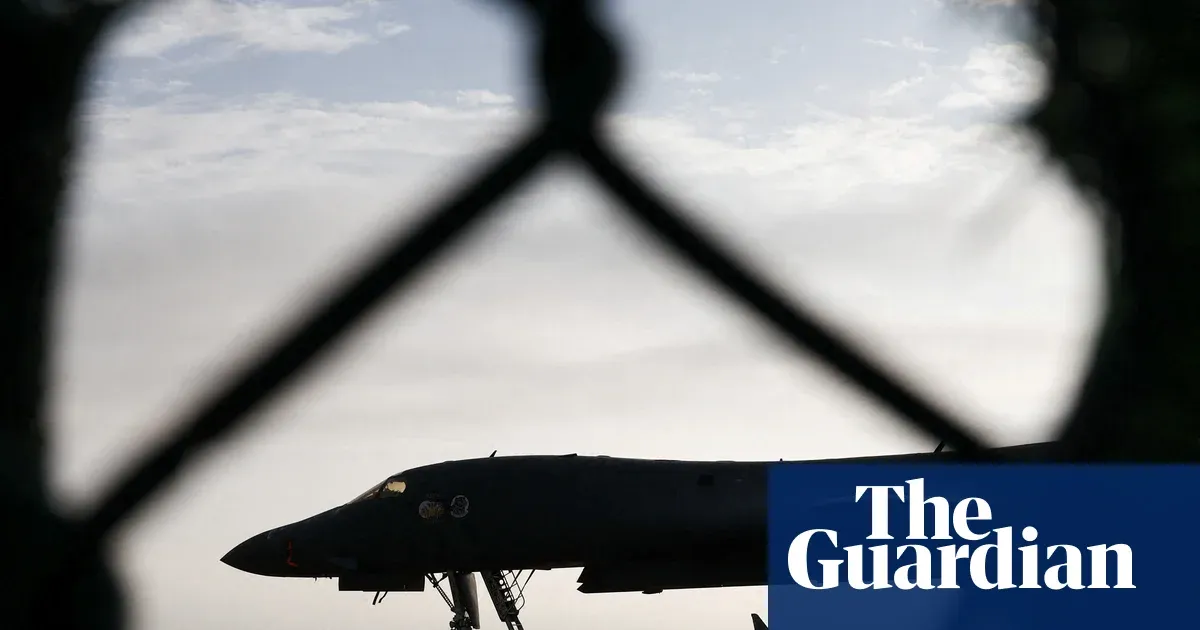 Photo: The Guardian
Key points
Andy Burnham said Iran's IRGC almost certainly directed the RAF Fairford incident, with the UK announcing further sanctions.
Prime Minister Andy Burnham told the House of Commons on 12 October that Iran's Islamic Revolutionary Guard Corps (IRGC) was "almost certainly" behind the incident at RAF Fairford on 27 September. He said the UK's assessment was that it was "highly likely to have been coordinated in Iran, almost certainly directed by Iran's Islamic Revolutionary Guards". The statement marked the firmest UK attribution of responsibility so far.
The attribution matters because it moves the UK government from earlier, more cautious language to open blame of a named Iranian state body. Burnham had previously said there were "strong indications" Iran played a part. No one has been charged despite a counter-terrorism investigation lasting more than a fortnight, and the nature of the threat remains unclear.
What Burnham told Parliament
Five men from London drove to Whelford, a village next to RAF Fairford, in three white vans shortly after midnight on 27 September. They were released on police bail a day later after no bombs or explosives were found, though officials said some petrol was recovered from the vans. A local farmer had reported men with white vans engaged in "suspicious" activity, and the incident was declared "major", triggering the evacuation of a nearby village.
Counter Terrorism Policing has arrested seven men in connection with the investigation, including a British-Iranian national. All seven have been released on bail and none has been charged. The force said it was considering "possible foreign state involvement" as part of its enquiries. Despite the scale of the probe, the source and nature of the threat have remained unclear.
A week after the incident, the US withdrew 12 B-1 bombers stationed at RAF Fairford, amid reports Washington was concerned about a possible drone attack on a base it had used to attack Iran during the spring and summer conflict. President Donald Trump said the bombers were withdrawn because of "threats" he believed were linked to Tehran. Britain had given Washington permission in March to use Fairford for "specific defensive operations into Iran".
How the incident unfolded
Shortly after Burnham's statement, 29 countries including the US, UK, Australia, Canada, France and Germany issued a joint statement condemning "in the strongest terms Iran's use of violent attacks", including "acts of lethal plotting, arson, sabotage, cyber-attacks, and other hybrid activities". Foreign Secretary Ed Miliband summoned the Iranian ambassador and announced the designation of two Iranian nationals, including Ruhollah Bazghandi, the IRGC's head of counterespionage operations, subject to an immediate asset freeze, travel ban and director disqualification.
Burnham announced the UK would bring further sanctions against Tehran and the IRGC, saying Britain would "crack down on Iran's use of criminal networks" and target funding streams. Some experts have speculated the incident was a "feint" to show Iran could in theory attack a relatively open site, while British sources have repeatedly maintained Iran lacks the capability to launch a sophisticated drone attack. Tehran has rejected the accusations.
Sanctions and allied response
The Fairford incident follows other alleged Iran-linked activity in the UK. A week before 12 October, two Iranian nationals, Salam Ahmadyan from Liverpool and Rahman Salehi from Salford, were charged with terror offences over an alleged attempt to target Manchester's Jewish community with a homemade chlorine powder bomb. Prosecutors said the pair were in contact with a third party believed to be in Iran who sent them instructions on preparing an explosive device. A trial at the Old Bailey has been scheduled.
Frequently asked questions
What did Andy Burnham say about RAF Fairford?
On 12 October, Prime Minister Andy Burnham told the House of Commons that the incident at RAF Fairford on 27 September was "highly likely to have been coordinated in Iran, almost certainly directed by Iran's Islamic Revolutionary Guards".
How many people have been arrested over the Fairford incident?
Counter Terrorism Policing arrested seven men, including a British-Iranian national. All have been released on bail and none has been charged.
Why did the US withdraw bombers from RAF Fairford?
A week after the 27 September incident, the US withdrew 12 B-1 bombers. President Donald Trump said the withdrawal was because of "threats" he believed were linked to Tehran.
How this story was checked
- Fact-checked against 4 cited pages. 26 figures, dates and quotations in this story were found on the pages it cites.
- Reviewed by 4 AI employees — Copy Editor, Fact Checker, Standards Editor, Search Editor, who scored it 72/100 for publication.
Pages checked (4 of 4)
- theguardian.comread and checked
- politico.euread and checked
- al-monitor.comread and checked
- washingtonexaminer.comread and checked
Written by Kaer from public reporting. Checked 12 October 2026.


