California DMV bans Waymo from all state freeways after construction zone incidents
California's DMV banned Waymo's driverless robotaxis from all state freeways on 11 November, citing an imminent hazard to public safety after repeated construction zone incursions.
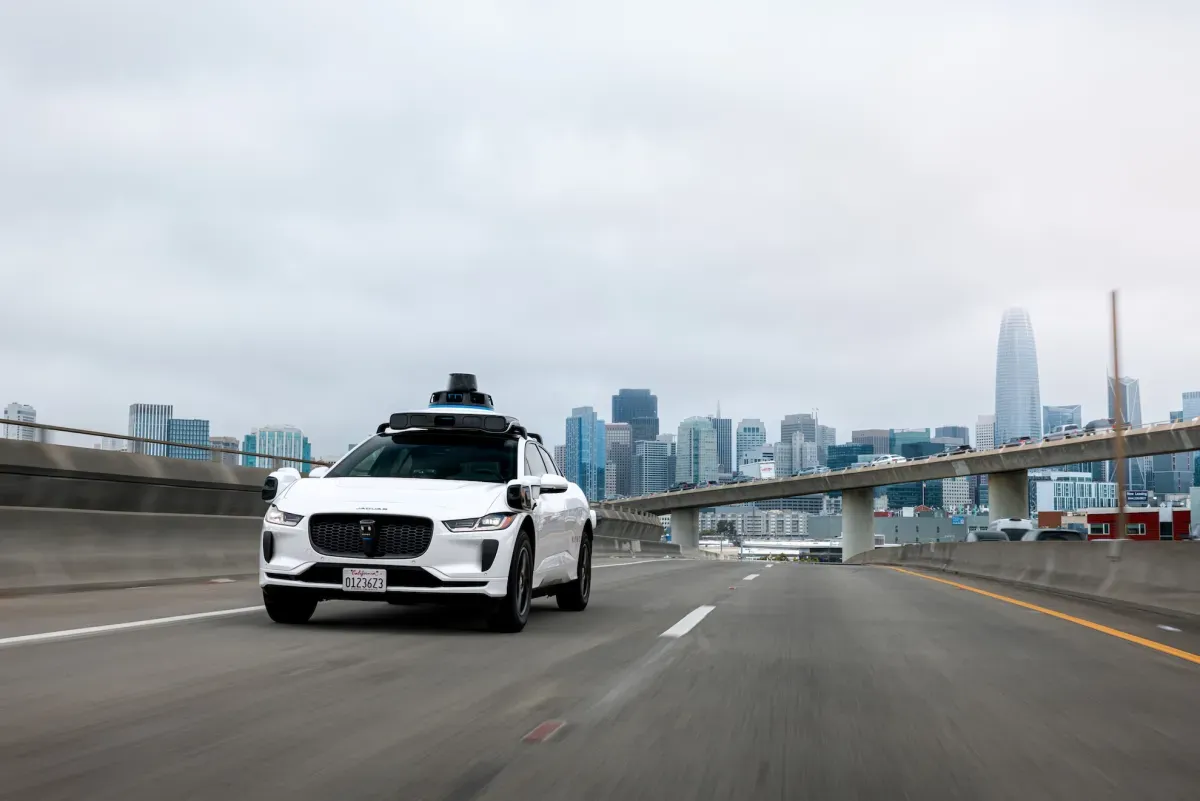 Photo: TechCrunch
Key points
California's DMV banned Waymo's driverless robotaxis from all state freeways on 11 November, citing an imminent hazard to public safety after repeated construction zone incursions.
California's Department of Motor Vehicles banned Waymo's driverless robotaxis from all state freeways on 11 November, citing an imminent hazard to public safety. The DMV, which regulates autonomous vehicle testing and deployment in the state, issued the operational restrictions after several incidents raised safety concerns. The restrictions were not made public until 17 November.
The DMV confirmed that it acted after three Waymo autonomous vehicles entered an active construction closure on U.S. Route 101 near Burlingame, and another separate incident involving California Highway Patrol vehicles on Highway 280 in San Francisco. The DMV said Waymo's freeway operations pose an imminent hazard to public safety.
What the ban covers
In an emailed statement to TechCrunch, the DMV said: "The Department determined that Waymo's driverless freeway operations pose an imminent hazard to public safety due to recurring incursions by its vehicles into active construction zones where construction workers, vehicles and equipment are present, despite a prior restriction and corrective actions implemented following similar incidents that occurred on May 18, 2026."
Waymo has complied and is preventing its robotaxis from accessing freeways in any of the markets it operates in, including those outside California. Waymo currently has commercial operations in 15 U.S. cities. The company may continue testing its vehicles on non-California highways with safety operators behind the wheels.
Waymo spokesperson Dana Gallagher said the company has temporarily restricted freeway operations across its other operating markets to evaluate its performance. "Safety is at the foundation of everything we do," Gallagher said in a statement. "Following recent freeway construction zone encounters on U.S. 101 in California that did not involve any injuries or collisions, the California DMV has implemented an operating restriction on freeway operations in the state."
Waymo's response
Gallagher added: "In alignment with our safety-first principles, we have also temporarily restricted freeway operations across our other operating markets to evaluate our performance. Our ride-hailing service continues to operate safely on surface streets, serving over half a million trips each week. We are working with the California DMV and other state officials diligently and responsibly to resume freeway operations."
Waymo began offering freeway rides in late 2025, a commercial milestone central to its expansion in major metro areas. Freeway access allows Waymo to connect riders to airports and other destinations more efficiently, slashing travel times by avoiding slower surface streets. In the San Francisco Bay Area, freeway access has dramatically shortened trips across the Peninsula that previously took 45 minutes or more than an hour.
This is the second time Waymo has publicly restricted its freeway operations after beginning to transport passengers on them last year. In June, the company recalled its software after federal regulators found that its system failed to recognize highway construction zones. Regulators with the National Highway Traffic Safety Administration cited several incidents in April and May in which Waymo cars drove past ramp closure signs and into active lane closures.
Why construction zones are hard
The DMV said the restrictions will remain in place until Waymo can demonstrate that it has taken "effective corrective actions" to address the deficiencies. Waymo will need to submit evidence to the agency for review, at which point regulators will determine whether it can safely resume operations. It is unclear how long that process will take.
Self-driving cars have struggled with construction zones for at least a decade. The zones can look and be arranged differently based on what sort of construction is being done, and where. While humans can easily understand bollards, placards, and blinking arrows, the lack of hard-and-fast rules has proven difficult to reliably program into driving software. The issue is especially hazardous at high freeway speeds, where workers exist alongside fast-moving car traffic.
Frequently asked questions
Why did California ban Waymo from freeways?
The DMV banned Waymo after its vehicles entered an active construction closure on US-101 and another incident involving CHP vehicles on Highway 280. The DMV said the operations posed an imminent hazard to public safety.
When did the ban take effect?
The ban went into effect on 11 November, but the restrictions were not made public until 17 November.
What does Waymo need to do to resume freeway operations?
Waymo must demonstrate that it has taken effective corrective actions to address the deficiencies. It will need to submit evidence to the DMV for review, after which regulators will decide if it can safely resume.