42 state attorneys general move to block Character.AI auction of 21 million users' chats
A bipartisan coalition of 42 state attorneys general asked a bankruptcy court to reject Character.AI's 1 December auction of chat histories from more than 21 million US accounts, including 2.1 million registered to minors.
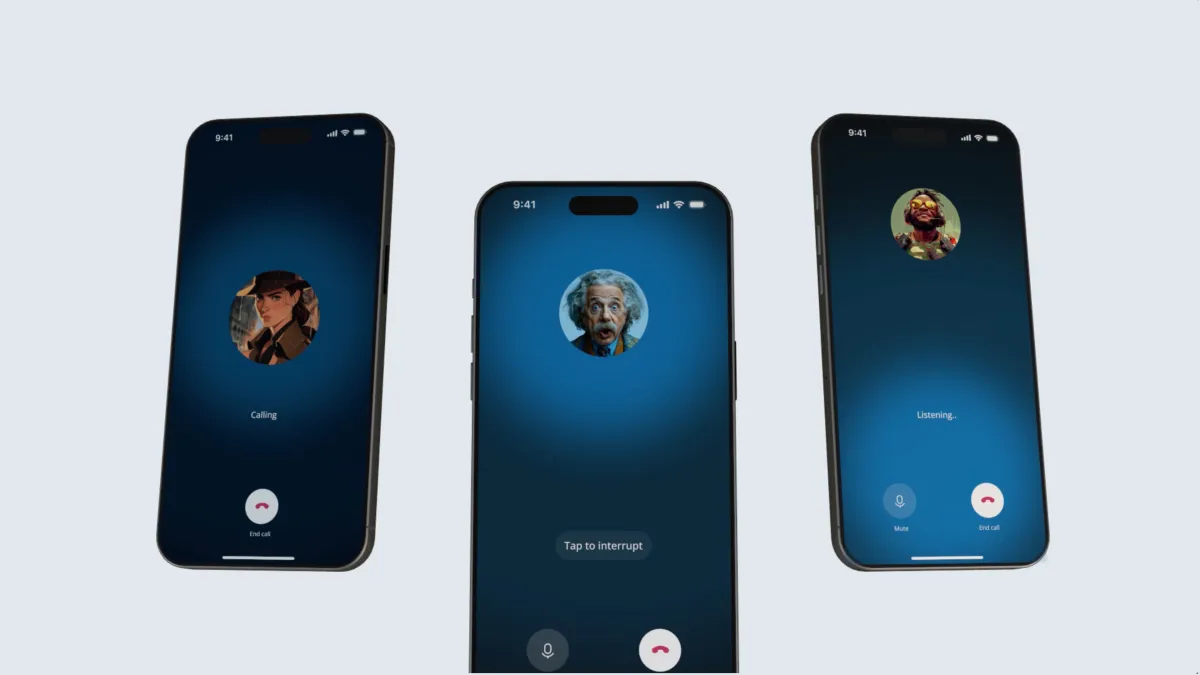 Photo: TechCrunch
Key points
Forty-two state attorneys general asked a bankruptcy court to reject Character.AI's plan to auction chat histories from more than 21 million US accounts on 1 December.
Forty-two state attorneys general asked a bankruptcy court to reject Character.AI's plan to auction users' chat histories, filing objections against a sale scheduled for 1 December. The proposed sale covers data from more than 21 million US accounts, including more than 2.1 million registered to minors, according to the attorneys general. California Attorney General Rob Bonta led the group, joined by Connecticut's William Tong and Colorado's Phil Weiser.
The dispute turns on what happens to private conversations when an artificial intelligence company enters bankruptcy. Character.AI filed for Chapter 11 in October and said it would run a court-supervised sale of all or substantially all of its assets, while telling users their data would stay protected under its privacy policy. The attorneys general argue the sale contract imposes no such protection on whoever buys the data.
What the sale would include
The dataset up for auction includes chat histories, account information, IP addresses and other metadata, the attorneys general said. Each chat is linked to the user's profile, location data and risk scores Character.AI assigned to users it flagged. Bonta's office said the material includes conversations in which AI characters drew children and adults into explicit sexual conversations, and chats where users discussed self-harm, eating disorders and suicidal thoughts with characters posing as physicians and therapists.
The states' central claim is that the deal leaves buyers free of every obligation Character.AI itself accepted. Under the proposed terms, the buyer would not have to follow Character.AI's privacy policy or honour users' requests to delete their data or opt out, the attorneys general said. Nothing in the agreement restricts what the buyer may do with the data after closing, including selling it again, they said in a court filing. The attorneys general also say the material includes chats in which users discussed self-harm, eating disorders and suicidal thoughts.
Character.AI's own privacy policy told users, "we do not sell personal information for monetary consideration," according to the Connecticut filing. Bonta said the company's conduct is illegal under federal and California law. "Bankruptcy should not be used to sidestep these consumer protections," he said in a statement. The attorneys general also argue that federal law bars sharing personal information about children under 13 without a parent's verified permission.
The single disclosed bidder
The attorneys general also argue that Character.AI gave bidders information about its safety failures and potential legal exposure that it has not shared with the court, the states or users. They argue the chatbot service violates state unfair and deceptive practice laws. California, Colorado, New York and Connecticut have enacted chatbot safety legislation that takes effect on 1 January 2027, which the states say could trigger further violations if the sale proceeds.
Tong criticised the company in a statement. "Their chatbots drove vulnerable youth down a rabbit hole of emotionally volatile and sexually inappropriate chats," he said, adding that the company now wants to "auction off those private chat records and personal details to a shady buyer." Weiser said a company's financial troubles do not give it the right to disregard its responsibility to protect consumers, especially children.
What the states are asking for
The coalition is asking the bankruptcy court to deny the proposed sale terms, reject Smirks as the lead bidder and deny a $350,000 break-up fee that Character.AI would collect if it sells to another buyer. At a minimum, the states say, any sale must exclude children's chats and other sensitive data and include conditions that protect users. The filing follows a separate objection last week from a similar coalition against a $20 million licensing deal giving Disney access to Character.AI's intellectual property, which has not received final court approval.
Character.AI's troubles predate the bankruptcy. Its co-founders, Noam Shazeer and Daniel De Freitas, returned to Google when the company signed a non-exclusive licence to use the startup's technology. The company also faced lawsuits over child safety, including one involving the suicide of a 14-year-old Florida boy whose mother said he had become obsessed with a chatbot on the platform.
The auction is scheduled for 1 December, when the bankruptcy court would consider the sale unless it rules on the objections first. The attorneys general from Alaska, Arkansas, California, Colorado, Connecticut, the District of Columbia, Delaware, Florida, Georgia, Hawaii, Idaho, Illinois, Indiana, Kansas, Kentucky, Louisiana, Maine, Maryland, Michigan, Minnesota, Mississippi, Missouri, Nevada, New Hampshire, New Jersey, New York, North Carolina, North Dakota, Ohio, Oklahoma, Oregon, Pennsylvania, Rhode Island, South Carolina, South Dakota, Tennessee, Utah, Virginia, Vermont, Washington, Wisconsin and West Virginia joined the filing.
Frequently asked questions
What does Character.AI plan to sell?
Character.AI's bankruptcy sale would auction chat histories, account information, IP addresses and other metadata from more than 21 million US accounts, including more than 2.1 million registered to minors, according to the 42 state attorneys general opposing the deal.
Why do the attorneys general oppose the sale?
They say the buyer would not have to follow Character.AI's privacy policy or honour deletion and opt-out requests, and could resell the data without telling users. They also want a $350,000 break-up fee denied.