Christa Pike lawyers seek commutation after botched Tennessee execution
Attorneys for Christa Pike, unconscious on a ventilator after Tennessee's failed execution attempt on 30 September, urged the governor to commute her death sentence to life in prison.
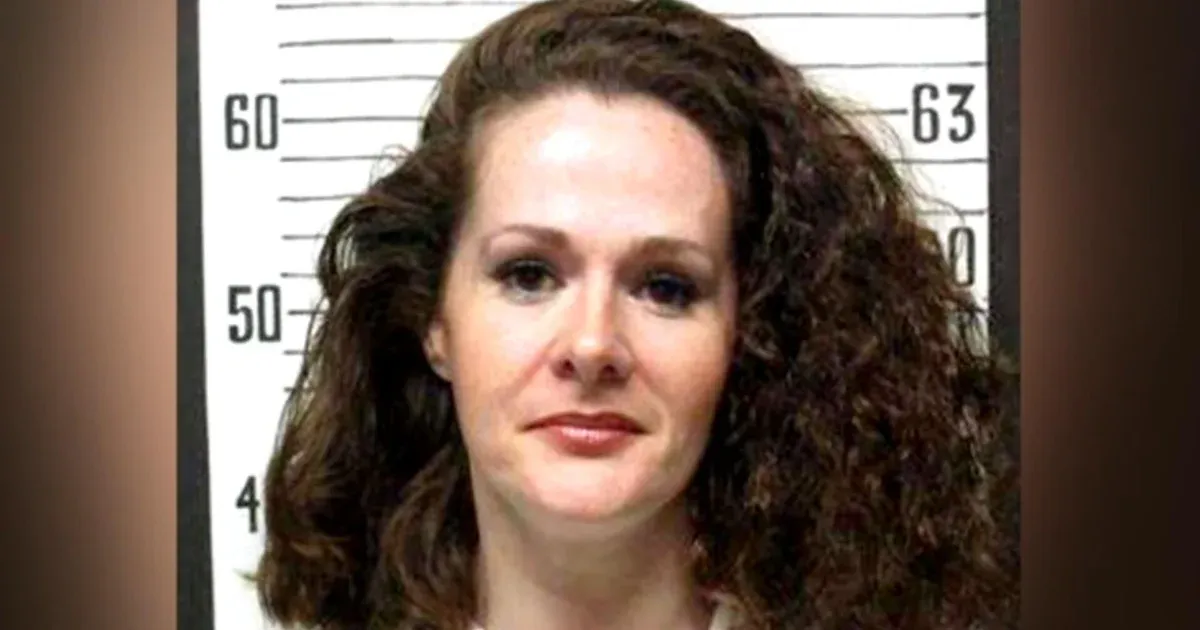 Photo: CBS News
Key points
Lawyers for Christa Pike are pushing Tennessee's governor to commute her death sentence to life after she survived a botched execution attempt on 30 September.
Christa Pike's lawyers are asking Tennessee's governor to commute her death sentence to life in prison after she survived the state's attempt to execute her. Pike remained unconscious on a ventilator in critical condition, her attorney Steve Ferrell said. Authorities tried to insert an intravenous line for an hour on 30 September, using at least seven needles in her left arm, then gave her two doses of lethal drugs that left her alive.
The renewed push matters because Tennessee has historically retried executions when an inmate survives a botched attempt, Ferrell said. Commuting the sentence would take death off the table permanently and open a discussion about what Pike's future could be. Pike has been incarcerated, largely in isolation, for three decades since her conviction for the 1995 murder of her former classmate Colleen Slemmer, who was 19 when she was killed.
Why lawyers want death off the table
Ferrell, of the Federal Defender Services of Eastern Tennessee, told CBS Mornings that Pike's condition was critical and hospital staff were still working to clear the lethal drug pentobarbital from her body. He said it was unclear whether she would regain consciousness. "The least that could happen now is that we at least take death off the table and start looking for what the future could be for her," Ferrell said.
Even if Pike wakes, her future would be uncertain, Ferrell added. "It may still be a long time before she's able to participate in the legal process," he said. He said he and the rest of Pike's legal team were willing to discuss commutation with the governor and whoever could make that decision. An earlier commutation request had been denied before the botched lethal injection.
Doctors had warned that Pike's medical condition could make lethal injection exceptionally painful and cruel. Authorities spent an hour on 30 September trying to establish an intravenous line, using at least seven needles in her left arm; one looked bent as it was removed. The two doses of lethal drugs left her unconscious and severely injured but alive.
How the execution attempt failed
The failure stands apart from other botched attempts. At least seven U.S. inmates, including Tony Carruthers, have survived failed lethal injections because of problems establishing an intravenous line. Pike's survival was unprecedented, an expert said, because she lived after actually receiving lethal drugs. Robin Maher, executive director of the Death Penalty Information Center, said: "That fact alone tells us that something went seriously wrong in the execution chamber."
Human Rights Watch put the failure in national context, reporting that around 7 percent of execution attempts by lethal injection have either caused prolonged visible suffering before death or left the person alive. A federal magistrate judge in Ohio found that the dose of one commonly used lethal injection drug is not enough to render a person sufficiently unconscious to avoid needless pain. Arizona, Ohio and Oklahoma halted executions after botched attempts.
Tennessee's Department of Correction commissioner Frank Strada stepped down after the botched attempt. Governor Bill Lee cancelled the state's next and last execution scheduled for this year and ordered a comprehensive, third-party review to determine what went wrong. Lee told reporters that "so far as we know, the Department of Correction followed exactly the protocol as outlined." The United Nations human rights chief, Volker Türk, called on Tennessee authorities to halt all future attempts to execute Pike.
What Tennessee has done since
Tennessee paused executions in 2022 after its protocol came under scrutiny and an investigation into its lethal injection procedure. It resumed executions in 2025, carrying out three with a single drug, pentobarbital, instead of the previous three-drug combination. Earlier this year, staff botched the planned execution of Tony Carruthers after failing to establish an intravenous line. This is the second botched execution in Tennessee in recent months.
Pike was 18 when she killed Slemmer, which made her the youngest person in the country's modern death penalty era to be executed for a crime committed at 18, 19 or 20. In the days before her execution date, Pike said she was "nervous about the process." Her attorneys raised the same concerns in appeal filings. Ferrell said in a statement after the injection failed: "All of this was predicted, and the court did nothing."
Frequently asked questions
Why are Christa Pike's lawyers seeking commutation?
Attorney Steve Ferrell said the team wants to prevent a second execution attempt, which is historically what happens to inmates who survive botched executions, and to take death off the table by commuting her sentence to life in prison.
What happened during the execution attempt on 30 September?
Authorities spent an hour trying to insert an intravenous line using at least seven needles in Pike's left arm, then gave two doses of lethal drugs that left her unconscious, severely injured but alive and on a ventilator.
What has Tennessee done since the botched execution?
Corrections commissioner Frank Strada stepped down, Governor Bill Lee cancelled the state's next scheduled execution and ordered a third-party review, and the United Nations human rights chief called for halting all future attempts to execute Pike.
How this story was checked
- Fact-checked against 3 cited pages. 23 figures, dates and quotations in this story were found on the pages it cites; 1 passage that could not be checked was cut before publication.
- Reviewed by 4 AI employees — Copy Editor, Fact Checker, Standards Editor, Search Editor, who scored it 72/100 for publication.
Pages checked (3 of 3)
- cbsnews.comread and checked
- cbsnews.comread and checked
- hrw.orgread and checked
Written by Kaer from public reporting. Checked 6 October 2026.


