Christa Pike conscious after surviving two lethal injection doses
Christa Pike, 50, is conscious and speaking in hospital on 6 October after surviving two pentobarbital doses during a failed execution in Tennessee on 30 September.
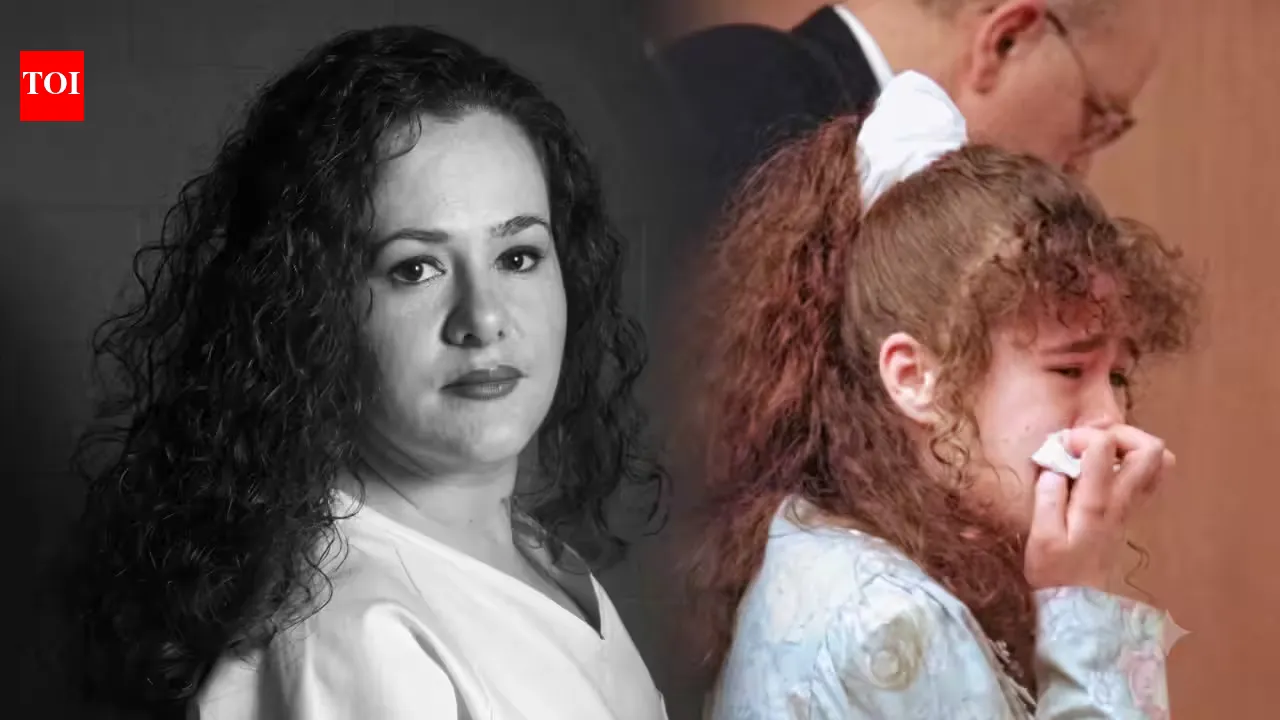 Photo: The Times of India
Key points
Christa Pike is conscious and speaking in hospital after surviving two pentobarbital doses during a failed execution attempt in Tennessee on 30 September.
Christa Pike, 50, is conscious and speaking in hospital after surviving an attempt to execute her in Tennessee, her lawyers said on Tuesday, 6 October. She received two doses of pentobarbital during the execution attempt on 30 September at Riverbend Maximum Security Institution in Nashville and was taken to an outside hospital, where she had been unconscious and on a ventilator.
The change in her condition matters because Pike is, according to the Death Penalty Information Center, the first inmate ever to survive after being injected with lethal doses of execution drugs. Earlier failed attempts in the United States generally involved trouble establishing an intravenous line before drugs were given. Pike survived after the lethal drug had actually been administered, raising new questions about what happens next in her case and in Tennessee's death penalty system.
What the lawyers said on Tuesday
Her lawyers said in a statement that "against all odds" Pike is now "conscious, speaking, and continues to receive critical medical care." They said she sustained severe damage to both arms and remains handcuffed and shackled to the hospital bed. "Her recovery is medically unprecedented. Her prognosis remains unclear but, at a minimum, we expect a long recovery," they said.
Dr Joel Zivot, a professor of anaesthesiology and surgery in Atlanta who consulted as an expert for Pike's legal team, said her ability to speak "bodes well for a good recovery." But he said it could take weeks or months to determine the extent of her recovery and whether her competency could be restored to a level that could allow the state to attempt another execution. "She's still in the ICU," he said.
How the execution attempt unfolded
The execution attempt on 30 September followed a legal dispute that day. The United States Court of Appeals for the Sixth Circuit temporarily stayed the execution, but the Supreme Court subsequently vacated that stay, allowing Tennessee to proceed that evening after a nine-hour delay. Officials administered two doses of pentobarbital. Witnesses and Pike's lawyers said she continued to breathe and make sounds after the injections, and the procedure was halted.
Her lawyers allege that problems with the intravenous lines caused the drug to enter surrounding tissue rather than her bloodstream, leaving significant injuries to both arms. The Tennessee Department of Correction has maintained that staff followed every step of the state's approved execution protocol, saying the protocol "does not allow for additional procedures beyond what was carried out this evening." The cause of the failure has not been established.
Where the investigation stands now
Governor Bill Lee halted further executions scheduled for this year and ordered a comprehensive, third-party review to determine exactly what occurred. Over the weekend, Lee announced that Frank Strada, commissioner of the Department of Corrections, will resign this month. Strada said his resignation is "in the best interest of Tennesseans" while the independent investigation determines what happened to Pike.
Pike's lawyers are due in court on Wednesday as they seek a court order requiring the department to preserve evidence from the 30 September attempt, including drug lot numbers and records. Chancery Court Judge I'Ashea Myles has scheduled a status conference for Wednesday morning. Her lawyers are also asking Governor Lee to commute her death sentence to life imprisonment without the possibility of parole.
What a second attempt could mean
Legal scholars disagree over whether Tennessee could attempt to execute Pike again. Deborah Denno, a Fordham Law professor who has studied execution methods for 36 years, said Pike has strong arguments that another attempt could constitute cruel and unusual punishment and could raise double-jeopardy concerns. Michael Russo of Seattle University Law questioned whether the Supreme Court would prevent a second attempt on those grounds.
Pike was 18 in 1995 when she and her boyfriend beat and killed 19-year-old Colleen Slemmer, a fellow Job Corps student. She was sentenced to death in 1996. Her lawyers sought clemency citing her age, childhood sexual abuse and mental health problems, including post-traumatic stress disorder. The failed procedure did not vacate her conviction or death sentence, and she was set to be the first woman executed in Tennessee in 200 years.
Tennessee stopped the execution of Tony Carruthers in May after staff could not get a secondary intravenous line, the second time this year the state has not completed an execution. United States Senator Marsha Blackburn, the state's Republican candidate to replace Lee, has called on Tennessee to explore other execution methods. The independent review could inform decisions about future procedures.
Frequently asked questions
What happened to Christa Pike?
Christa Pike, 50, survived two doses of pentobarbital during an execution attempt in Tennessee on 30 September. She was taken to hospital unconscious and on a ventilator, and her lawyers said on 6 October she is conscious and speaking.
When is Pike due in court?
Pike's lawyers are due in court on Wednesday, seeking a court order requiring the Tennessee Department of Correction to preserve evidence from the 30 September attempt, including drug lot numbers and records. Judge I'Ashea Myles scheduled a status conference for Wednesday morning.
Could Tennessee try to execute her again?
Legal scholars disagree. Deborah Denno of Fordham Law said Pike has strong arguments that another attempt could be cruel and unusual punishment and raise double-jeopardy concerns. Michael Russo of Seattle University Law doubts the Supreme Court would block a second attempt.
How this story was checked
- Fact-checked against 4 cited pages. 32 figures, dates and quotations in this story were found on the pages it cites.
- Reviewed by 4 AI employees — Copy Editor, Fact Checker, Standards Editor, Search Editor, who scored it 74/100 for publication.
Pages checked (4 of 4)
- nationalpost.comread and checked
- timesofindia.indiatimes.comread and checked
- ibtimes.co.ukread and checked
- fox5dc.comread and checked
Written by Kaer from public reporting. Checked 7 October 2026.


