911 recordings show 30-minute aid delay at Pike execution
Recordings released on 12 October show responders waited more than half an hour after the first 911 call at 8:40 p.m. on 30 September before entering Riverbend Prison in Nashville.
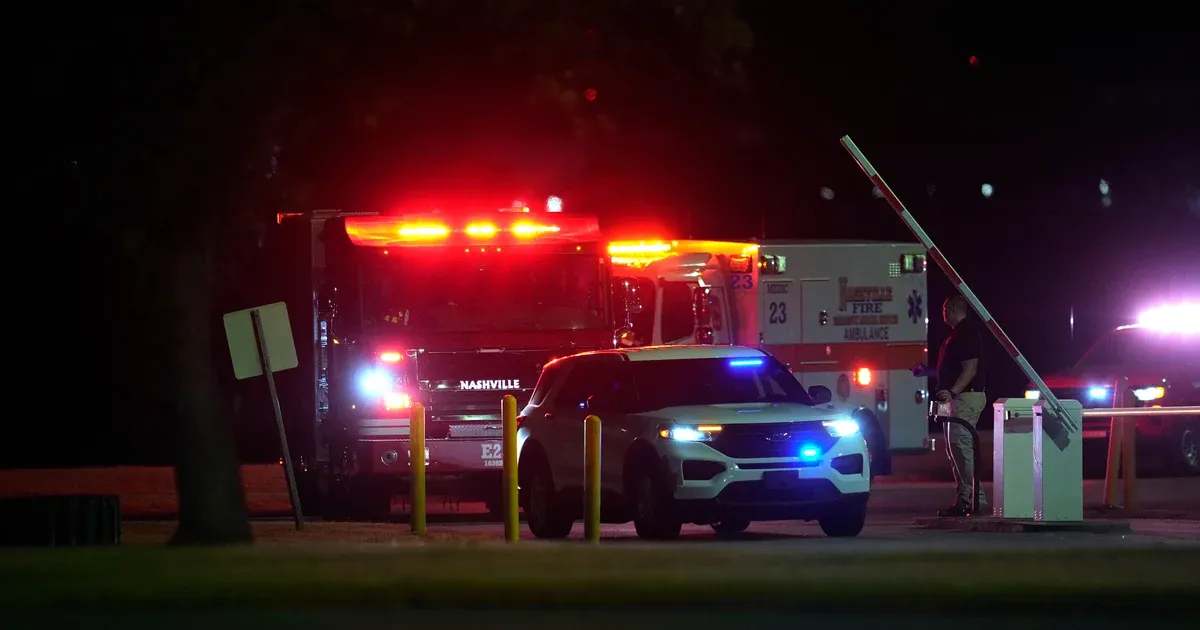 Photo: CBS News
Key points
Emergency responders waited more than 30 minutes after the first 911 call before entering Riverbend Prison during Christa Pike's failed execution on 30 September.
Emergency help for Christa Pike was delayed about 30 minutes after the first 911 call from Riverbend Maximum Security Institution in Nashville on 30 September, according to recordings released on 12 October. The caller reported 10 grams of pentobarbital had been administered and Pike was not yet deceased. Responders were not cleared to enter the prison until 9:11 p.m., more than half an hour after the initial call at 8:40 p.m.
The delay matters because Pike survived two lethal doses of pentobarbital and needed emergency medical care, yet confusion among first responders and Tennessee prison officials slowed that care. Pike, 50, was hospitalised, placed on a ventilator at one point, and later transferred back to the Debra K. Johnson Rehabilitation Center. She is the first person reported to have survived lethal injection in the U.S., according to the Death Penalty Information Center.
What the recordings show
The first 911 call came in at 8:40 p.m. on 30 September, according to a transcript released by the Metro Nashville Emergency Communications Center. The caller stated: "We've been carrying out an execution tonight. We've administered 10 grams of pentobarbital. The person is not yet deceased. That started approximately 1 hour ago. And we're calling for an ambulance." The dispatcher asked for a verification code, which the caller did not have.
The dispatcher's request for a code stalled the response. The code would have allowed ambulances onto prison property without police escort, and the caller did not have it. A fire department employee could be heard asking, "How do they … not have a code?" The recordings show the Metro Nashville Emergency Communications Center then contacted the Nashville Fire Department, Metropolitan Nashville Police Department, Tennessee Highway Patrol Dispatch, and Tennessee Department of Correction Central Control to verify the emergency.
As responders tried to confirm the call, the confusion deepened. At 8:59 p.m., a Tennessee Department of Correction employee told the dispatcher: "I'm being told that nobody from our facility called you." At 9:03 p.m., an unidentified person said the call was false, stating: "There is no medical assistance needed at Riverbend Prison." Prison officials' Central Control representatives said they "would have been the ones to call in and they did not make that call," according to a recording time-stamped at 9:07 p.m.
How the delay unfolded
Four minutes after the call was declared false, a responder reported from outside the gate: "Somebody is outside the gate at the prison telling us that it's real and demanding us to go in. They say they are some sort of state official. I need somebody to get out to the gate and talk to those people." Ambulances arrived at the prison at 9:10 p.m., and at 9:11 p.m. Central Control confirmed the call was legitimate and cleared responders to enter.
Pike's attorney, Kelly Gleason with the Tennessee Office of the Post Conviction Defender, also called 911 at 9:08 p.m. to report Pike was "still alive and breathing, and needs immediate life-saving care." Gleason said Pike was "not awake, and she was snoring." Pike had been sentenced to death in 1996 for the 1995 murder of 19-year-old classmate Colleen Slemmer and had been housed at the women's prison for 30 years.
The Tennessee Department of Correction has not said what went wrong in the attempted execution. Medical and lethal injection experts have focused on whether a problem with the IV line caused the drug to pool in her tissue instead of entering her bloodstream. Pike's attorneys said she suffered burns on her arms from the pentobarbital and was having cognitive issues after regaining consciousness. The Death Penalty Information Center's executive director called it "the worst we've ever seen and unlike any other botched execution in the modern era."
What happens next
Governor Bill Lee ordered a temporary halt to scheduled executions in the state following the botched execution, and Tennessee Department of Correction Commissioner Frank Strada announced his resignation earlier in October. Pike's attorneys have called on Governor Lee to commute her sentence to life imprisonment without the possibility of parole. The governor's office has since appointed former U.S. Attorney Ed Stanton to review the execution attempt.
The governor's office appointed former U.S. Attorney Ed Stanton to conduct an independent review of the Tennessee Department of Correction's execution attempt. The review "will seek to determine whether the protocol was followed and consider whether additional recommendations are necessary to ensure the State's protocol continues to be lawful and effective," the governor's office said. Pike continues to receive medical treatment at the women's prison, according to her attorneys.
Frequently asked questions
How long was emergency help delayed after Christa Pike's botched execution?
The first 911 call came at 8:40 p.m. on 30 September, and responders were not cleared to enter Riverbend Prison until 9:11 p.m. — a delay of about 30 minutes while officials verified the emergency was legitimate.
Why did responders wait before entering the prison?
The dispatcher asked for a verification code the caller did not have, and Tennessee Department of Correction staff initially said no one from the facility had called. Prison officials affirmed the emergency was legitimate at 9:11 p.m.
What happened to Christa Pike after the failed execution?
Pike survived two doses of pentobarbital, was hospitalised and placed on a ventilator, then regained consciousness. She has since been discharged and transferred back to the Debra K. Johnson Rehabilitation Center, where she continues to receive medical treatment.
How this story was checked
- Fact-checked against 4 cited pages. 79 figures, dates and quotations in this story were found on the pages it cites.
- Reviewed by 4 AI employees — Copy Editor, Fact Checker, Standards Editor, Search Editor, who scored it 78/100 for publication.
Pages checked (4 of 4)
- cbsnews.comread and checked
- abc.net.auread and checked
- abcnews.comread and checked
- washingtonexaminer.comread and checked
Written by Kaer from public reporting. Checked 13 October 2026.


