Delhi court releases three CJP leaders on one-year peace condition
A Delhi executive magistrate court on 11 October 2026 released CJP leaders Abhijeet Dipke, Saurav Das and Ashutosh Ranka, detained from their aircraft on 10 October, on a Rs 50,000 bond barring any breach of peace for one year.
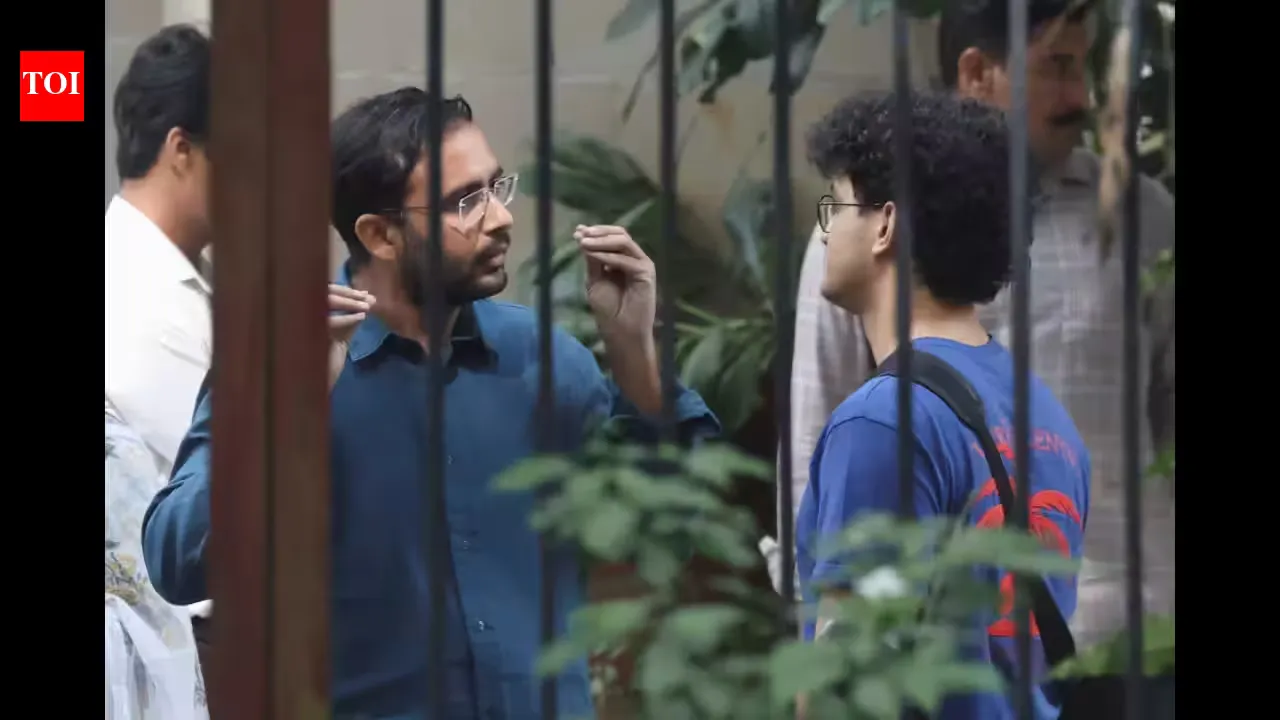 Photo: The Times of India
Key points
A Delhi court released CJP leaders Abhijeet Dipke, Saurav Das and Ashutosh Ranka on 11 October 2026 on a one-year no-breach-of-peace condition after detaining them from their flight on 10 October.
A Delhi executive magistrate court on 11 October 2026 ordered the release of Cockroach Janta Party leaders Abhijeet Dipke, Saurav Das and Ashutosh Ranka, held since 10 October, on a Rs 50,000 bond and the condition that they commit no breach of peace for one year. The party's legal affairs head, Ratna Singh, said Delhi Police required the bond as surety for maintaining peace and good behaviour over that year. The three were detained from their aircraft shortly after it landed in Delhi on 10 October, ahead of a planned protest.
The release matters because it ends the detention of the top CJP leadership hours before the campaign planned fresh demonstrations, and because it attaches a year-long condition to their freedom. The three were held under Sections 126 and 170 of the Bhartiya Nyaya Suraksha Sanhita, the criminal procedure code, according to legal representatives. Their court order came as thousands of other protesters, opposition leaders, journalists and lawyers had already been freed, leaving the three CJP leaders among the last detainees in Delhi.
What the court ordered
The court's order rested on a written undertaking rather than a criminal charge. Delhi Police told the court that a bail bond of Rs 50,000 had been filed for maintaining peace and good behaviour for one year, and Ratna Singh, the party's legal affairs head, said the release was conditional on no breach of peace during that period. The leaders were produced before the Executive Magistrate Court at the Delhi Cantonment Police Station and freed from that station shortly after the order. Their preventive detention under bailable provisions ended without any first information report being registered against them.
The detentions began on 10 October, when Delhi Police entered the aircraft carrying Dipke, Das and Ranka shortly after their flight from Mumbai landed, according to the Special Executive Magistrate's order. The three were travelling to Delhi to join a protest at Jantar Mantar demanding the resignation of Chief Election Commissioner Gyanesh Kumar. The campaign's grievance concerns alleged irregularities in the special intensive revision of electoral rolls. Delhi Police had denied permission for the demonstration and restricted access to the protest site.
How the detentions unfolded
The scale of the security operation explains why the protest did not reach Jantar Mantar. Authorities shut down Delhi Metro services to keep protesters away from the site, and prohibitory orders under Section 163 of the Bharatiya Nagarik Suraksha Sanhita remained active across the New Delhi district, with warnings that fresh gatherings would draw new detentions.
Delhi Police registered more than 20 first information reports over attempts to forcibly hold a protest on 10 October, with charges including disturbing law and order, obstructing government work and assaulting police personnel, the force said. Police said four people had been detained in connection with those cases. Separately, about 150 protesters were taken from Bangla Sahib Gurudwara to Chhatrasal Stadium in North Delhi and held for five hours before release, one detainee told Scroll.
The detentions drew legal and institutional challenges. The Supreme Court was scheduled to hear a petition challenging the detention of political leaders, students, journalists, lawyers and other protesters, Live Law reported, and a contempt petition alleging metro stations stayed closed and train services were cancelled despite the court's Friday order against a complete shutdown of public transport, Bar and Bench reported. At least four petitions were filed before the special hearing. The Press Club of India, the Indian Women's Press Corps, the Delhi Union of Journalists and the Kerala Union of Working Journalists' Delhi unit condemned the detention of journalists and sought a public apology and inquiry from Delhi Police.
Where the numbers came from
The United Nations Human Rights Office expressed concern over the mass detentions, saying restrictions on peaceful protests must meet strict tests of necessity and proportionality, and called for the immediate release of those arbitrarily detained. India's Ministry of External Affairs rejected the concerns as unwarranted and an unacceptable interference in the internal affairs of India, accusing the UN body of extreme selectivity. Delhi Chief Minister Rekha Gupta accused the Congress, the Aam Aadmi Party, Left groups and the Cockroach Janta Party of trying to turn the national capital into a battleground in the name of protest.
In Mumbai, about 600 protesters detained during solidarity demonstrations were released from police stations by night. Among those held were Tushar Gandhi, the great-grandson of Mahatma Gandhi, and actor Imran Khan, PTI reported. Gamdevi Police registered a first information report naming 12 persons including Tushar Gandhi and booked more than 300 unidentified people under Bharatiya Nyaya Sanhita sections relating to disobedience of public orders, wrongful restraint and unlawful assembly. YouTuber Dhruv Rathee was released from Gurugram Police custody in the early hours of 11 October, The Indian Express reported.
Restrictions were still in force as the release was ordered. Delhi Police issued a traffic advisory warning of diversions across central Delhi from 6 am on 11 October, affecting 30 locations including Connaught Place, Jantar Mantar Road, Mandi House, Patel Chowk and areas around Rail Bhawan. Northern Railways said train services would return to normal schedules from 11 October, and the Delhi Metro Rail Corporation said entry and exit gates of all stations reopened on the night of 10 October after 45 stations had been closed since 9 pm on Friday.
What happens next
The campaign showed no sign of standing down. The Cockroach Janta Party called for another march to Jantar Mantar on 11 October, saying it would continue its agitation until its demands are met, and also called for a protest in Mumbai at 4 pm near Shivaji Park, Scroll reported. All India Students' Association chief Neha Bora said another part of Delhi would become Jantar Mantar on Sunday, without specifying where.
Frequently asked questions
Why were the three CJP leaders released?
A Delhi executive magistrate court ordered their release on 11 October 2026 on the condition they not breach the peace for one year, with a Rs 50,000 surety bond for maintaining peace and good behaviour, Ratna Singh said.
Why were the CJP leaders detained in the first place?
Delhi Police detained Abhijeet Dipke, Saurav Das and Ashutosh Ranka from their aircraft shortly after it landed in Delhi on 10 October, as they travelled to join a protest at Jantar Mantar demanding Chief Election Commissioner Gyanesh Kumar's resignation.
How many people were detained during the Delhi protests?
Delhi Police registered more than 20 first information reports over attempts to forcibly hold a protest on 10 October and said four people were detained in connection with those cases. Separately, about 150 protesters were held at Chhatrasal Stadium for five hours.
How this story was checked
- Fact-checked against 4 cited pages. 49 figures, dates and quotations in this story were found on the pages it cites.
- Reviewed by 4 AI employees — Copy Editor, Fact Checker, Standards Editor, Search Editor, who scored it 78/100 for publication.
Pages checked (4 of 4)
- timesofindia.indiatimes.comread and checked
- thequint.comread and checked
- indiatoday.inread and checked
- scroll.inread and checked
Written by Kaer from public reporting. Checked 11 October 2026.


