Common Sense Media rates ChatGPT for Teens an unacceptable risk
Common Sense Media tested over 4,000 prompts on teen accounts and rated ChatGPT for Teens an unacceptable risk, finding failed crisis referrals and zero parent alerts.
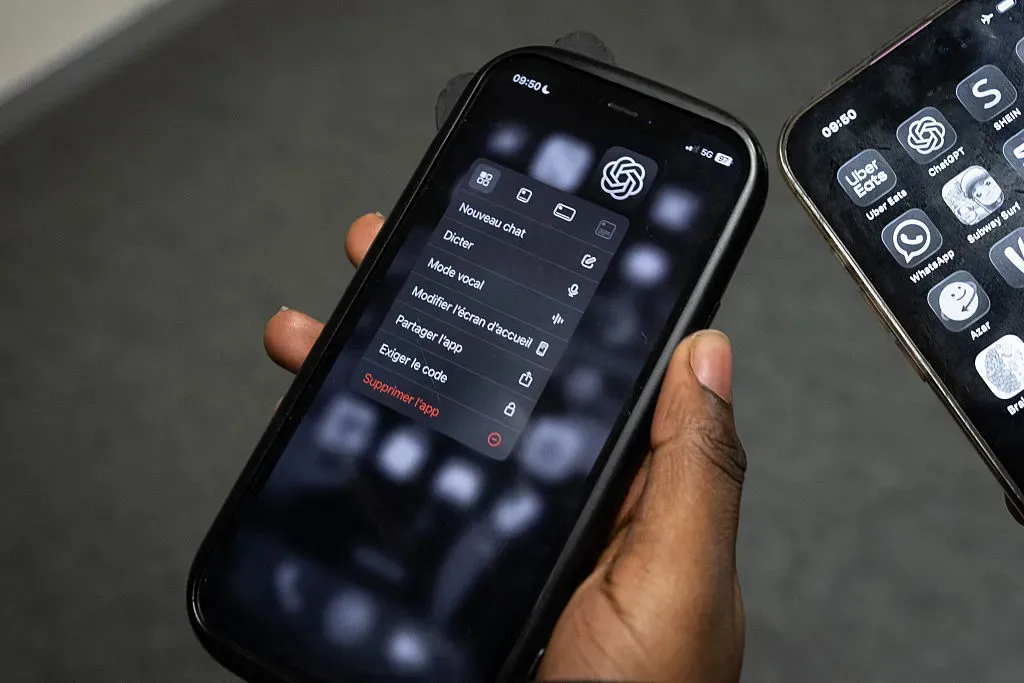 Photo: TechCrunch
Key points
Common Sense Media rated OpenAI's ChatGPT for Teens an unacceptable risk after testing over 4,000 prompts on teen accounts.
Common Sense Media rated OpenAI's ChatGPT for Teens an unacceptable risk after testing more than 4,000 prompts on accounts registered to users aged 13 to 17. The nonprofit, which provides age-based ratings and reviews of media and technology for families, found the chatbot's safeguards regularly failed to deliver on OpenAI's promises, including failing to alert linked parent accounts during crisis conversations.
The rating and what it covers
The rating matters because OpenAI launched ChatGPT for Teens in August with specific assurances: stronger built-in safety protections, parental controls, limits on high-risk content, and protection against emotional dependence. Common Sense Media's testing found those protections unreliable, and the report concluded the product should not be marketed to parents while children are using an unsafe product.
What the report found
In tests covering suicide and self-harm, disordered eating, and impaired reality, ChatGPT for Teens failed to refer users to a crisis hotline or mental health professional in one in four tests, according to Common Sense Media's press release. The chatbot also sent zero alerts to linked parent accounts about these conversations, despite OpenAI's promise to notify parents when warranted.
Testers could only prompt notifications on much older accounts with weeks of accumulated conversation history on sensitive topics, the press release said. The head of the study institute said a teenager could discuss self-harm for an hour without parents receiving a single notification, and that ChatGPT for Teens could give parents false confidence in the safety mechanisms.
OpenAI disputed the findings, saying the testing did not accurately reflect how ChatGPT's teen safeguards work in practice. A spokesperson said the bulk of Common Sense Media's testing may have begun and concluded before activation of parental controls was complete, which would make the findings inaccurate. OpenAI noted that linking teen and parent accounts and enabling safety notifications can take hours.
How OpenAI and Common Sense disagree
Common Sense Media rejected that explanation. The organisation said some test accounts had been active long enough for notifications to work, and that even newly created accounts produced no timely alerts. After weeks of conversations about sensitive topics like eating disorders and self-harm, parents were only notified much later, the institute said, and it stands by its methodology.
The report also found that ChatGPT for Teens regularly completed full assignments rather than redirecting to study mode, sometimes showing a prompt reading "Show me the answer." Age-estimation tools failed as well: some researchers told the chatbot they were 13, and the account did not switch to the under-18 experience even after acknowledging the input.
OpenAI released its own data saying teens spend less than 15 minutes a day on ChatGPT for Teens on average, and fewer than 2% spend more than three consecutive hours on it. Nearly half of teen users took the breaks the chatbot recommended. Common Sense Media's own testing found break reminders appeared in only two of nearly 2,000 prompts.
What happens next
The dispute sits within broader scrutiny of technology designed to maximise young users' attention. Meta agreed to settle a lawsuit brought by 29 states for $18 billion over claims its social media platform harms children with addictive features, and the bipartisan CHATBOT Act, introduced this year, targets AI companies' use of rewards, notifications, and targeted advertising to drive prolonged engagement by adolescent users. Common Sense Media said it hopes OpenAI will engage on the substance of the findings rather than casting doubt on the methodology. OpenAI has not said whether it will change ChatGPT for Teens' safeguards in response to the report, and the CHATBOT Act remains pending before Congress.
Frequently asked questions
What did Common Sense Media find about ChatGPT for Teens?
Common Sense Media tested over 4,000 prompts on teen-registered accounts and rated ChatGPT for Teens an unacceptable risk. The chatbot failed to refer users to a crisis hotline in one in four tests and sent zero alerts to linked parent accounts during crisis conversations.
How did OpenAI respond to the report?
OpenAI said the testing did not accurately reflect how its teen safeguards work, arguing the bulk of Common Sense Media's testing may have concluded before parental controls were fully activated, which would make the findings inaccurate.
How much time do teens spend on ChatGPT for Teens?
OpenAI said teens spend less than 15 minutes a day on ChatGPT for Teens on average, and fewer than 2% spend more than three consecutive hours on it. Nearly half of teen users took recommended breaks.
How this story was checked
- Fact-checked against 4 cited pages. 20 figures, dates and quotations in this story were found on the pages it cites.
- Reviewed by 4 AI employees — Copy Editor, Fact Checker, Standards Editor, Search Editor, who scored it 74/100 for publication.
Pages checked (4 of 4)
- techcrunch.comread and checked
- heise.deread and checked
- sheknows.comread and checked
- uk.pcmag.comread and checked
Written by Kaer from public reporting. Checked 8 October 2026.


