EU and 130 countries block COP31 deal over fossil fuels
UN climate talks in Antalya, Turkey, ended on 22 November without a political agreement after the EU and more than 130 countries rejected a draft that never mentioned fossil fuels.
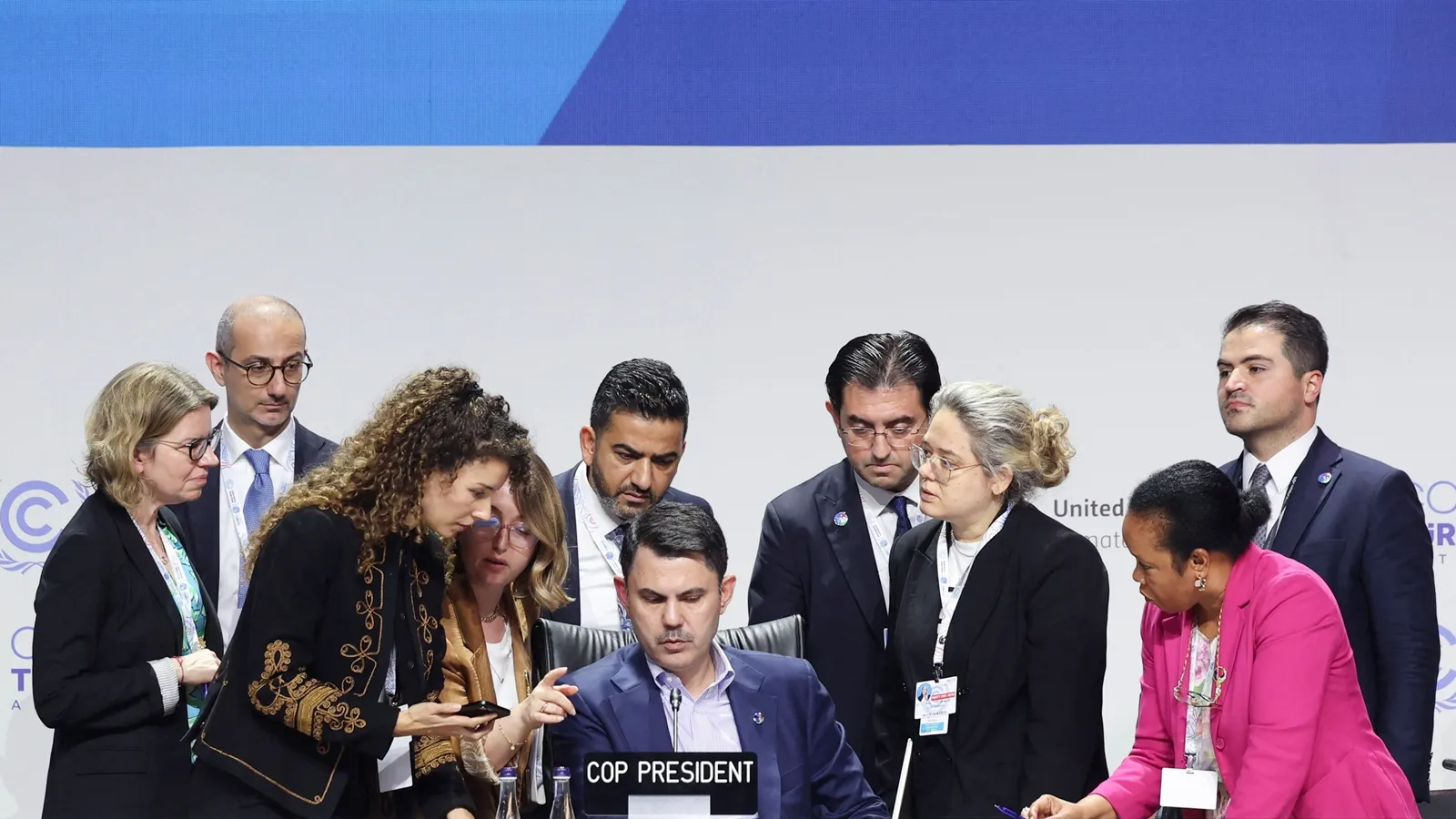 Photo: The Indian Express
Key points
COP31 in Antalya ended on 22 November without a political agreement after the EU and more than 130 countries rejected a draft that did not mention fossil fuels.
The COP31 climate summit in Antalya, Turkey, closed on 22 November without a political agreement, after the European Union and a coalition of more than 130 countries refused to endorse a draft that contained no reference to phasing out fossil fuels. The rejection left the conference with only technical decisions to its name.
The failed text was the cover decision, the political statement each summit's host draws up and names. Turkey had proposed calling it the Antalya Pact. Because the UN Framework Convention on Climate Change decides only by consensus, a single refusal blocks adoption, and the coalition's rejection ended the pact. The talks ran two days past their scheduled finish. It is the first time in more than 15 years that the annual conference has failed to reach consensus on its main political agreement.
Why the draft fell
The impasse turned on energy. A coalition led by the EU and small island states demanded that the text restate a commitment made three years earlier to move away from fossil fuels. Oil-dependent economies refused. Saudi negotiator Mohammad Ayoub said: "We cannot reconcile a position that stated so publicly that we need to keep 1.5 degrees within reach, and yet called carbon capture, utilization, and storage technologies greenwashing."
A second dispute concerned carbon capture and storage, a technology that traps emissions from burning fuel. Earlier drafts appeared to place it on equal footing with renewables such as solar and wind. The anti-fossil coalition wanted those references deleted, arguing they served oil and gas producers' interest in prolonging production. The technology has so far done little to reduce planet-warming pollution.
What the numbers show
The stakes are set by the physics. Burning coal, oil and gas accounts for nearly three-quarters of annual global greenhouse gas emissions, yet those fuels still meet more than 80 per cent of the world's energy needs. The term "fossil fuels" appeared in a main COP agreement only once, at COP28 in Dubai in 2023, which recognised the need to transition away in a just, orderly and equitable manner.
Turkey's own proposal also fell. It had pushed a target of a 35 per cent electrification rate by 2035, against 23 per cent of final energy consumption now delivered as electricity. Some countries backed the figure but wanted a caveat that the extra power come only from clean sources. The draft also carried a proposed tripling of adaptation finance and a new adaptation finance goal, both left unresolved.
What happens next
Panama's climate minister, Juan Carlos Navarro, attacked the rule that let the deal die. "This ridiculous system of having absolute consensus, where 192 countries and 100,000 people who are here in Antalya agree on absolutely everything, it's a recipe for disaster," he told reporters during the week. British energy minister Miatta Fahnbulleh said: "It is immensely disappointing we have been unable to do so."
The collapse follows a warning that arrived before the summit: the UN has said the world is sure to overshoot the Paris Agreement target of limiting long-term warming to 1.5°C above pre-industrial levels. Wildfires, extreme heat and floods have contributed to thousands of deaths this year. The talks also coincided with public anger over high fossil fuel prices caused by the Iran war, which several governments cited as reason to speed up the switch to clean energy.
Precedent cuts both ways. The last comparable failure came at COP15 in Copenhagen in 2009, when countries could not finalise a new climate agreement; the outcome laid groundwork for the Paris Agreement six years later. Baku in 2024 and Glasgow in 2021 came close to breakdown before compromise. India's environment minister, Bhupender Yadav, said: "The absence of a cover decision does not pause climate action."
Frequently asked questions
Why did COP31 end without a deal?
The EU and more than 130 countries refused to endorse a draft cover decision that did not mention fossil fuels. Because UN climate decisions require consensus, that refusal blocked the Antalya Pact.
What did negotiator Mohammad Ayoub say about carbon capture at COP31?
Negotiator Mohammad Ayoub said: "We cannot reconcile a position that stated so publicly that we need to keep 1.5 degrees within reach, and yet called carbon capture, utilization, and storage technologies greenwashing."
When did COP31 take place?
COP31 was held in Antalya, Turkey, and ended on 22 November, two days past its scheduled finish, with only technical decisions adopted.