COP31 draft removes fossil fuel phase-out as Panama threatens block
A COP31 draft released on 19 November removed key fossil fuel mentions, prompting Panama to threaten blocking the outcome.
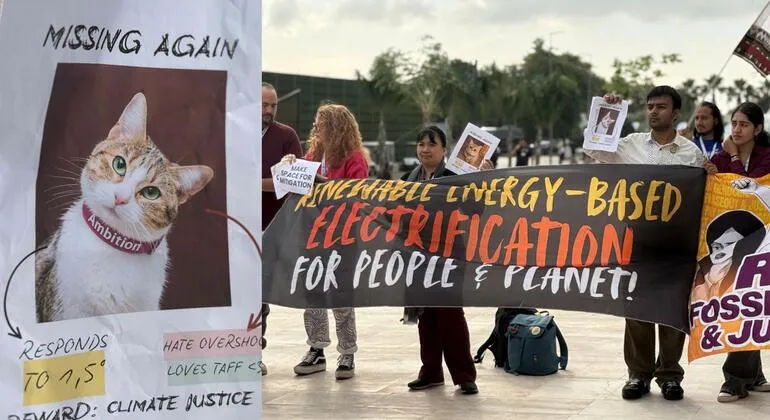 Photo: UN News
Key points
The second COP31 draft removed key fossil fuel mentions, triggering anger and a threat from Panama to block the outcome.
A new draft of the COP31 climate agreement, released on Thursday afternoon, removed every mention of fossil fuels, triggering anger among several participants and threatening to turn the UN summit into what campaigners called a 'ghost Cop'. The second draft, issued on 19 November, omitted not just two references to phasing out fossil fuels but every other mention, according to the Indian Express. The first draft, presented on Monday, had included a call for 'accelerated action to phase out fossil fuels' and an 'immediate transition away from fossil fuels in energy system'.
The removal brought back memories of last year's conference in Brazil, where the issue had been left out of the final decision despite over 80 countries pressing for its inclusion. 'This is a glaring regression from the earlier draft. You cannot solve a fossil fuel crisis by pretending we don't need to phase out fossil fuels,' said Harjeet Singh, Founding Director of Satat Sampada Climate Foundation, who is attending the conference. The new text also weakened goals on electrification and failed to show how developing countries would receive financial help to deal with the climate crisis.
Panama's threat to block
Panama made the unusual move of writing to the Turkish and Australian presidents of the talks, announcing that unless all its demands were met, it would block any outcome. The letter, signed by Panama's environment minister Juan Carlos Navarro, read: 'We have listened carefully to the speeches of these days. They are beautiful speeches. But while we listen to endless oratory, the planet is being destroyed … Outside this room and this conference, the world needs and expects radical change from us, and we are not delivering it.' COP negotiations require consensus, meaning Panama's stance, especially if supported by others, could upend the talks in their final hours.
The 'cover decision' text is likely to be the main outcome of COP31, containing pledges intended to meet the goals of the Paris agreement. But in slimming down by half an unwieldy 18-page first draft issued on Monday, the joint presidencies of Australia and Turkey cut many commitments, including a phaseout of fossil fuels and stronger support for developing countries to adapt to extreme weather. Countries agreed to transition away from fossil fuels at COP28 in 2023, but negotiations since have failed to flesh out the ambition.
Campaigners urged developing countries to reject the new drafts and keep fighting for a better outcome. 'Frontline communities will look on with despair,' said Mohamed Adow, director of the Power Shift Africa thinktank. 'If this version of the text remains, it will be a ghost Cop. The summit will have nothing to show for what happened here.' Rachitaa Gupta, global coordinator of the Global Campaign to Demand Climate Justice, said: 'The cause of the climate crisis is clear, as well as who should pay for it. What's remaining is the global north's political resolve to provide this finance. The moral bankruptcy of the global north is very visible to all of us in the global south.'
Weakened climate goals
The new draft text adopted a much more realistic tone on the issue of returning to a warming level of 1.5 degrees Celsius above pre-industrial times. Two reports earlier this year had concluded that the window of opportunity to meet the Paris Agreement target was no longer firmly shut, and a rise in temperature to at least 1.7-1.8 degrees Celsius was now inevitable. The first draft on Monday had talked about resolving to return to 1.5 degrees Celsius 'as early as possible' and proposed a 'work programme' on understanding the science. The new draft just 'resolves' to continue to pursue efforts to reach the target, and the work programme proposal has been left out.
The text makes an explicit mention of the need to increase the share of electricity in global final energy consumption to 35 per cent from the present 23 per cent, a proposal pushed by hosts Turkiye as a showpiece outcome. This proposal was initially meant to be just a pledge made voluntarily by interested countries on the sidelines, but now a reference to it is being made part of the negotiated decision. However, the pledge that 35% of global final energy demand should be met by electricity from 2035 was downgraded to a voluntary option among a suite of measures. Several other proposals close to the heart of developing countries, including a specific target of increasing adaptation finance to US$ 120 billion, have also been dropped.
Chris Bowen, Australia's climate and energy minister and president of the negotiations, laid the blame for the weak text firmly at the door of the countries present. 'We have put forward what we think, based on all our consultations, gives us the best chance of the most ambitious results that consensus will allow,' he said. His Turkish counterpart, Murat Kurum, the president of the conference, said there was 'great enthusiasm' among the countries negotiating, and that the latest text showed a 'strong commitment to the Paris agreement'. He defended the exclusion of the words 'fossil fuels' by saying it had been agreed at previous Cops. 'I don't think there's any backsliding,' he said.
Presidents defend the text
The commitment to 'transition away from fossil fuels' was exchanged in the text for the much weaker pledge to an 'irreversible global transition towards low greenhouse gas emissions and climate resilience', though there was reaffirmation that the goal of holding global temperature rises to 1.5C above preindustrial levels would remain central, even though it is now certain to be breached. Nearly three-quarters of annual global greenhouse gas emissions are attributable to the burning of fossil fuels, and they still cater to over 80 per cent of the world's energy needs. For close to three decades, the term 'fossil fuels' did not find a single mention in the hundreds of decisions from COP meetings, until COP28 in Dubai in 2023.
In a packed afternoon on the penultimate official day of the fortnight-long talks, a separate negotiating strand on climate finance produced a largely empty document, showing nations had failed to make progress. The two-week climate conferences are scheduled to end on the evening of the second Friday, but they have never finished on time in the last two decades, often getting extended till Saturday, and sometimes even Sunday. With just one more day left in the negotiations, countries would be hard pressed to find a compromise language over the issue, something that eluded them in Brazil. At least eight European countries have announced their own roadmaps for transitioning away from fossil fuels.
The differing perspectives of countries based on their economic and energy interests have been the reason for much heartburn and tension at the last two climate meetings. Countries whose economies are based on production and sale of fossil fuels, like the major oil producers, are opposed to a move to phase out fossil fuels, while major consumers like India and China are also not too enthusiastic. In the last few years, a few countries, led by the European Union, have been pressing for a mechanism to decide a roadmap for fossil fuel phase-out. It is unlikely that the issue would be conclusively settled in the Turkish city of Antalya in the final hours of the conference.
Draft agreements undergo several iterations at these climate meetings, with changes being made till the last minute. The final outcome, due on the evening of the second Friday, could still be revised, but the current text has already drawn sharp criticism. Andreas Sieber, of the campaign group 350.org, said: 'We are on the brink of an outrageous and utterly embarrassing lack of leadership by the Cop31 presidencies. They have reduced one of the defining challenges of our time to an inconvenient paragraph they would rather delete.' The next dated event is the scheduled close of the conference on the evening of the second Friday, though past summits have often extended into the weekend.
Frequently asked questions
What happened at COP31 on 19 November?
The second draft of the COP31 agreement removed key mentions of fossil fuels, dropping a pledge to phase them out. This triggered anger among participants, and Panama threatened to block any outcome unless its demands were met.
Why did Panama threaten to block the COP31 outcome?
Panama's environment minister Juan Carlos Navarro wrote to the Turkish and Australian presidents, saying that unless all its demands were met, it would block any outcome. The letter criticized the lack of radical change and the destruction of the planet.
What did campaigners say about the COP31 draft?
Campaigners called the draft a 'ghost Cop' and accused rich countries of moral bankruptcy. Mohamed Adow of Power Shift Africa said frontline communities would look on with despair, and Andreas Sieber of 350.org called it a 'shameless abdication of political responsibility'.