Cornell faculty senate passes no-confidence vote in administration
Cornell University's faculty senate approved a no-confidence resolution on Friday, with 75 voting in favor, over the administration's handling of sexual assault allegations.
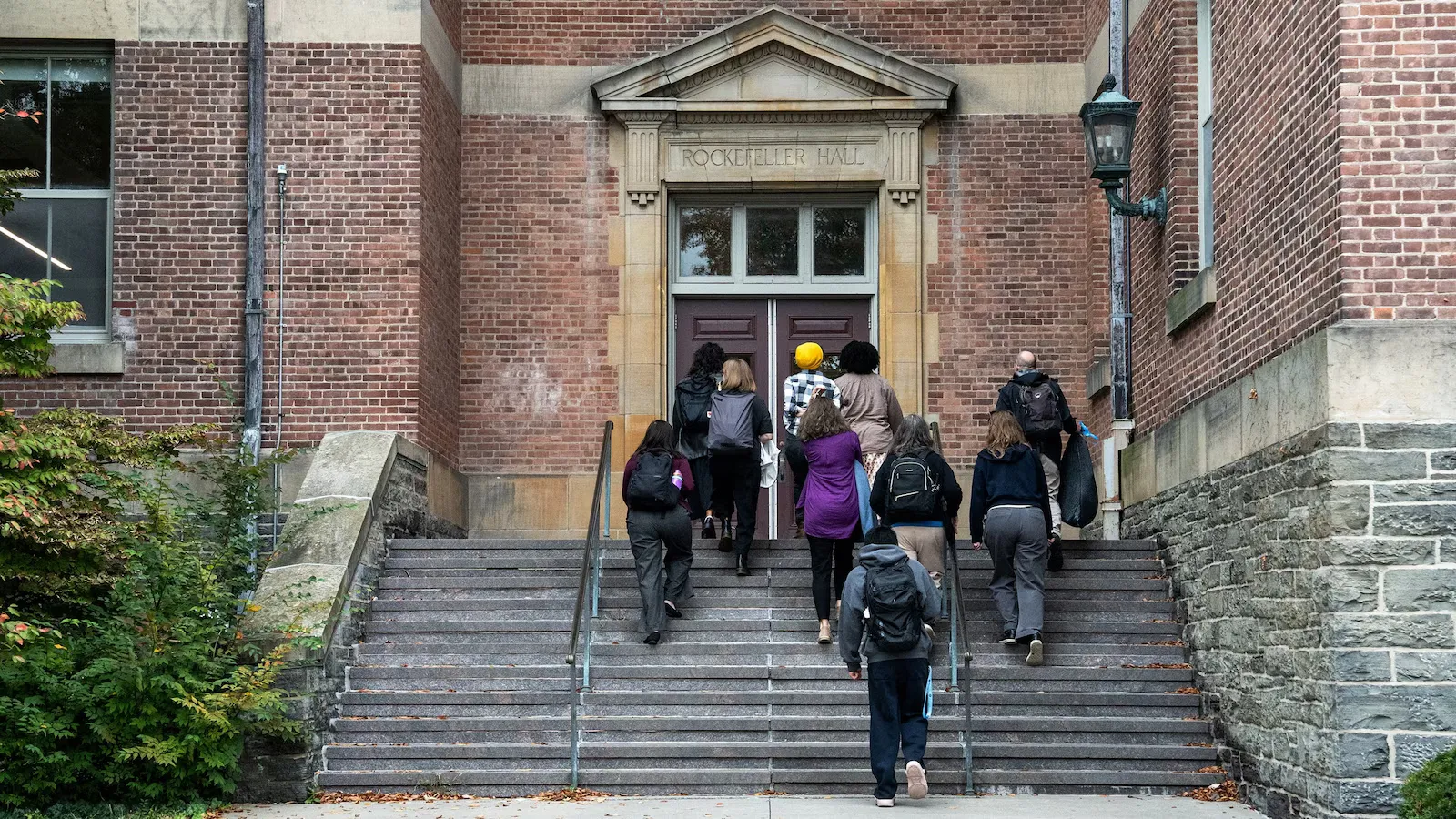 Photo: ABC News
Key points
Cornell's faculty senate voted no confidence in the administration's ability to address sexual assault, following a former student's gang rape lawsuit.
Cornell University's faculty senate approved a no-confidence resolution on Friday, condemning the administration's handling of sexual violence on campus. The vote followed a former student's lawsuit alleging she was gang-raped at a fraternity party in 2024. Seventy-five members voted in favor, 5 against, 50 abstained, and 5 did not vote, according to the resolution co-sponsors.
The resolution states: "The Faculty Senate has no confidence in the ability of the central administration to effectively address the ongoing crisis of sexual assault at Cornell University." The vote represents the clearest rebuke of the school's leadership since the controversy began, though the faculty senate does not have the authority to force any changes.
The vote's meaning
"This vote is a reckoning for our University," the co-sponsors of the measure said in a statement. "It is a call for real, systemic change; not a slow-moving taskforce, weakly enforced ban on fraternity parties, or expensive PR damage control, but meaningful, evidence-based steps to reduce the incidence of sexual assault on campus and provide significant support to and justice for survivors."
The vote followed weeks of outrage over Cornell's handling of sexual assault allegations, including the case of a former student identified as Jane Doe. Last week, faculty senators voted 76 to 48 against delaying the vote until after an independent investigation led by former U.S. Deputy Attorney General Sally Yates.
Jane Doe made a complaint to campus police in November 2024, three weeks after the alleged incident, that she was raped by a group of men at the Chi Phi fraternity house. She has filed a civil suit against the men and the university, alleging that she had been drugged and raped. The lawsuit was filed in September.
The lawsuit's details
All seven fraternity brothers named in the civil lawsuit have denied wrongdoing, and no criminal charges have been filed in the case. The local district attorney initially decided the woman had consented to the encounter, but the investigation has since been reopened and handed to New York's attorney general. New York Attorney General Letitia James is conducting an investigation into the incident, and Cornell is also conducting an internal probe of its response to the allegations. James appointed Jacqueline Kelly, a former sex crimes federal prosecutor, to lead the matter and report to her office.
Four men named in Jane Doe's lawsuit joined the legal push to have James removed from the criminal probe. They argue that a social media post she made, in which she said of Jane Doe, "I'm holding her in my heart and in my prayers ... you're not alone. We stand with you," demonstrates "actual or perceived conflicts of interest or bias."
The administration's response
Cornell University Board Chair Anne Smalling expressed the Board of Trustees' support for University President Michael Kotlikoff and the administration. "Today's Faculty Senate vote reflects the deep anger across our campus and sends a clear signal that what happened to Jane Doe is unacceptable," the statement said. Kotlikoff said the day before voting began on October 29 that faculty discussion and debate were "an important component of Cornell's shared governance." He noted the university had taken measures including adding staff to its civil rights office, expanding sexual assault prevention education, and hiring staff focused on victim advocacy.
Cornell faculty senator Risa Lieberwitz, who co-sponsored the resolution, said the administration failed to address the sexual assault problem in a systemic way during the more than a decade Kotlikoff has served in senior leadership. "Students, faculty, and staff have lost trust that sexual assault cases will be handled properly," Lieberwitz said in an online discussion.
Dean of Faculty Chris Schaffer had previously said in a post that he opposed the resolution because it did not "articulate the specific failures underlying its judgment or the consequences it seeks." "When we make a judgment this consequential, we should state clearly what has failed and what we expect to change," he wrote.
Frequently asked questions
What was the result of the Cornell faculty senate no-confidence vote?
The faculty senate passed the no-confidence resolution on Friday, with 75 voting in favor, 5 against, 50 abstaining, and 5 not voting.
Why did Cornell's faculty senate vote no confidence?
The vote followed a former student's lawsuit alleging she was gang-raped in 2024. Faculty members expressed concern over the administration's handling of sexual assault allegations on campus.
Does the no-confidence vote force any changes at Cornell?
No, the vote is largely symbolic and does not require university leadership to step down. The faculty senate does not have the authority to force any changes.