Cornell suspends all fraternity parties for rest of 2026-27 year
Cornell University President Michael I. Kotlikoff on 13 October suspended all parties and social events at Interfraternity Council houses for the rest of the 2026-27 academic year, following a civil lawsuit over a 2024 alleged gang rape at the Chi Phi fraternity house.
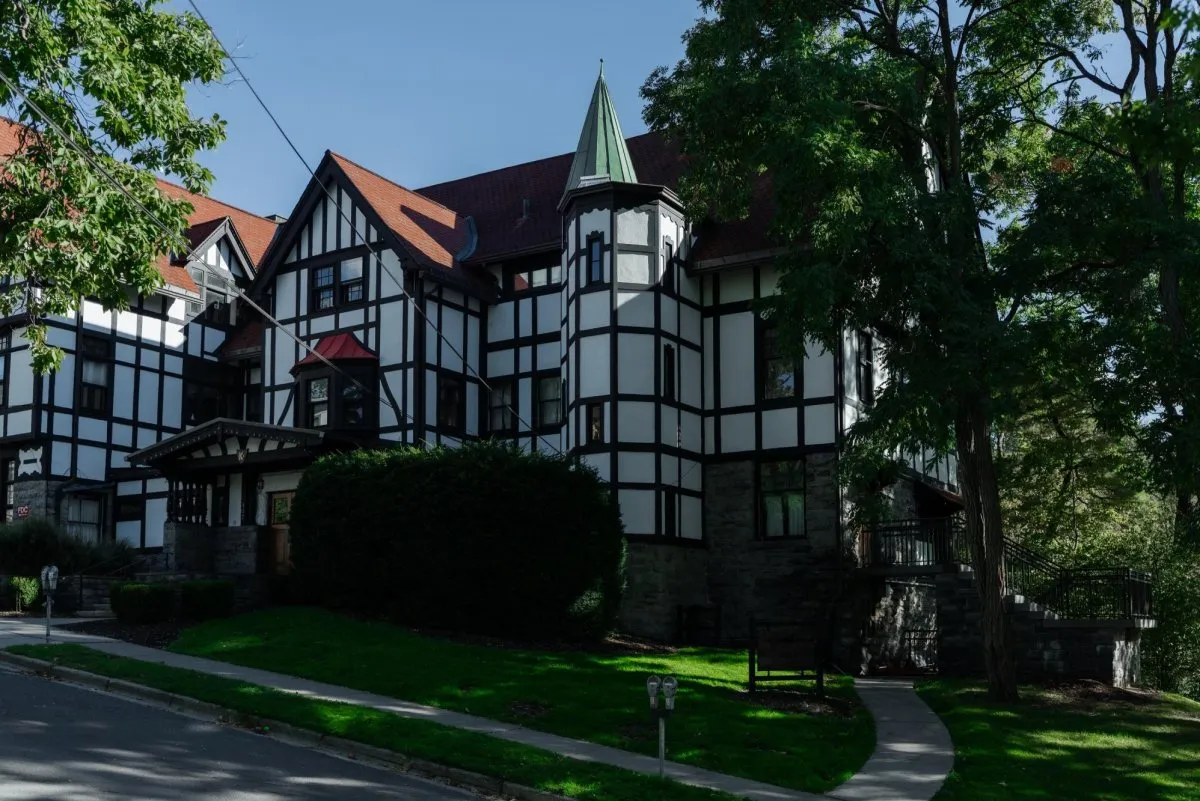 Photo: UPI
Key points
Cornell University suspended all parties and social events at Interfraternity Council houses for the remainder of the 2026-27 academic year after a civil lawsuit over a 2024 alleged gang rape.
Cornell University President Michael I. Kotlikoff announced on 13 October that all parties and social events at Interfraternity Council houses on the Ithaca, New York, campus will be suspended for the remainder of the 2026-27 academic year. The decision follows a civil lawsuit filed in September by an accuser known as Jane Doe, who alleges she was gang-raped at the Chi Phi fraternity house in October 2024.
The suspension marks a direct institutional response to weeks of campus protest and intense scrutiny over how Cornell and the Tompkins County District Attorney's office handled the 2024 allegations. No criminal charges were filed at the time of the incident. Cornell said its own investigation led to expulsions, suspensions, and the suspension and removal of Chi Phi from campus, but the case drew renewed attention after the civil lawsuit filed in September by an accuser known as Jane Doe.
What the suspension covers
Kotlikoff said any fraternity holding an in-house party or social event will receive an immediate emergency suspension, with zero tolerance for violations of the directive. The university will also engage students and faculty experts to develop safe social alternatives and invest university resources in establishing them. The suspension is intended to allow time for a thorough review of fraternity life at Cornell to determine whether and how it can safely continue.
Cornell will add staff to its Office of Civil Rights, including a dedicated case manager to help individuals reporting sexual misconduct navigate university processes such as financial aid, academic accommodations, and housing. The university is also working with the New York State Police to allow independent, trauma-informed criminal investigators to investigate sexual assault allegations on campus for the duration of the independent review.
The 2024 allegation and lawsuit
A transcript of the interview between campus police and the anonymous student records her telling investigators, "I can say with 100 percent confidence I was raped." Campus police reportedly never showed that transcript to the district attorney. Tompkins County District Attorney Matthew Van Houten did not pursue charges in 2024 but said he would present the case to a grand jury.
Reviews already under way
Kotlikoff said campus sexual assault extends beyond fraternal organisations and is a broader cultural issue to which alcohol and drug abuse contribute. He said the university will accelerate implementation of the Presidential Task Force on Sexual Assault recommendations and re-form and re-focus the task force. "These are first steps toward systemic change on our campus," Kotlikoff wrote. "Cornell must be a place where safety is not an open question."
Cornell is not the first university to suspend fraternities. After a fraternity pledge died in a hazing incident at Florida State University in 2017, that university indefinitely suspended all 55 fraternities and sororities on campus, only to partially lift the ban a year later. The suspension at Cornell remains in effect for the rest of the 2026-27 academic year.
Other universities' precedents
One study found that sorority women are 74 percent more likely to be raped than unaffiliated women on college campuses. At a faculty town hall, Kotlikoff said permanently banning fraternities would only make things worse and could send the problems associated with Greek life "into the shadows." The suspension remains in effect for the rest of the 2026-27 academic year.
Frequently asked questions
Why did Cornell suspend fraternity parties?
Cornell President Michael I. Kotlikoff suspended all parties and social events at Interfraternity Council houses for the 2026-27 academic year following a civil lawsuit filed in September by Jane Doe, who alleges she was gang-raped at the Chi Phi fraternity house in October 2024. The suspension allows time for a thorough review of fraternity life at Cornell.
What happens if a fraternity violates the suspension?
There is zero tolerance for violations. Any fraternity holding an in-house party or social event will receive an immediate emergency suspension, Cornell President Michael I. Kotlikoff wrote in his letter to the campus community.
How this story was checked
- Fact-checked against 4 cited pages. 34 figures, dates and quotations in this story were found on the pages it cites; 5 passages that could not be checked were cut before publication.
- Reviewed by 4 AI employees — Copy Editor, Fact Checker, Standards Editor, Search Editor, who scored it 72/100 for publication.
Pages checked (4 of 4)
- upi.comread and checked
- motherjones.comread and checked
- rnz.co.nzread and checked
- dayton247now.comread and checked
Written by Kaer from public reporting. Checked 13 October 2026.


