At least 139 migrants die as boat capsizes off Djibouti
A boat carrying 305 people from Djibouti to Yemen capsized near Guhere north of Obock on the night of 8 to 9 October, killing at least 139 with 84 missing, the IOM said on 11 October.
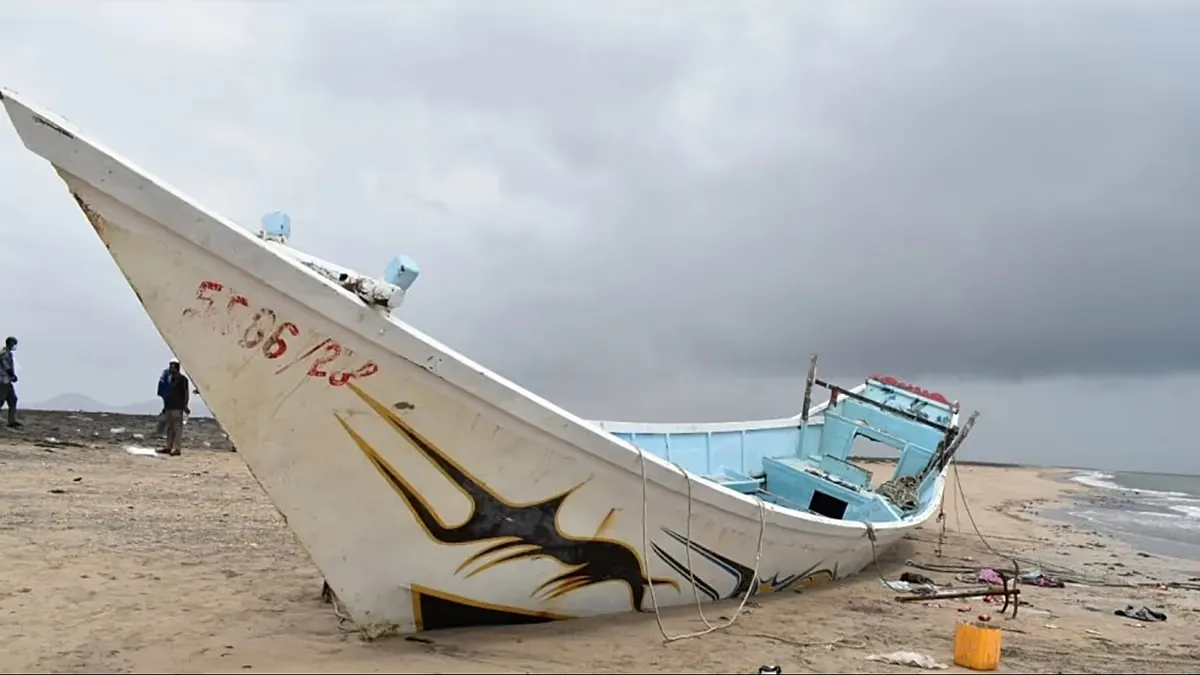 Photo: Euronews
Key points
At least 139 migrants died and 84 remained missing after a boat carrying 305 people from Djibouti to Yemen capsized on the night of 8 to 9 October.
At least 139 migrants died after a boat capsized off the coast of Djibouti on the night of 8 to 9 October, the International Organization for Migration (IOM) said on 11 October. The vessel was carrying 305 people from Djibouti to Yemen when it sank near Guhere, north of the town of Obock. Eighty-four people remained missing, and more than 80 survived, all of them Ethiopian nationals.
The disaster marks one of the deadliest single incidents on the migration corridor between the Horn of Africa and Yemen, where tens of thousands of migrants travel each year hoping to reach Gulf countries. Search and rescue operations were continuing, with IOM and Djiboutian authorities assisting survivors. The toll climbed from an initial 109 after 30 more bodies were recovered, and the IOM said its teams were providing emergency assistance alongside local authorities.
What the capsizing changed
Survivors said the vessel capsized north of Obock, according to an IOM statement. Among the first 109 bodies recovered, 52 were men, 42 were women and 15 were children, including nine girls and six boys. More than 80 people survived the shipwreck, all Ethiopian nationals. IOM was assisting 64 survivors at its Obock Migrant Response Centre, and Djiboutian authorities were continuing search and rescue operations for those still missing.
Alexandre Coissac, the IOM chief of mission in Djibouti, called the capsizing a devastating loss of life and said teams were on the ground alongside local authorities to provide emergency assistance. The IOM said poverty, insecurity and the growing impacts of climate change drive many to undertake the journey, despite mounting instability across the Middle East. The agency urged donors and partners to strengthen support for Djibouti's response, including search and rescue operations.
The death toll rose from 109 to at least 139 after 30 more bodies were recovered, the IOM said on 11 October. The earlier figure of 109 included 52 men, 42 women and 15 children. Djiboutian authorities were searching for more than 116 people still missing at the earlier stage, while the IOM's later figure put those unaccounted for at 84 out of the 305 aboard.
How the death toll rose
The capsizing occurred on the night of 8 to 9 October near Guhere, north of Obock, a port town in Djibouti, according to survivor accounts cited by the IOM. The IOM said tens of thousands of migrants travel from the Horn of Africa through Djibouti each year to cross the Bab el-Mandeb Strait to Yemen and eventually reach the Gulf countries.
The IOM's Displacement Tracking Matrix recorded more than 20,000 incoming movements to Djibouti from Ethiopia since 10 September. The agency said 178,000 people arrived in Djibouti from Ethiopia between January and October this year. In 2025, more than 900 migrants died or went missing along the sea route to Yemen, and the number attempting the journey increased by 18 percent, the IOM said.
A shipwreck in March 2026 off the coast of Djibouti left nine migrants dead and 45 others missing as they attempted the crossing to Yemen. IOM spokesman Kennedy Omondi Okoth said that most people attempting the journey were from Ethiopia or Somalia, and that many were ending up stuck in Djibouti. The crossings continue despite fighting on Yemen's Red Sea coast between government forces and Iran-backed Houthi rebels since early September.
Why the crossings continue
Yemen is experiencing the most serious escalation in fighting between Saudi Arabia-backed government forces and the Iran-backed Houthis since a UN-brokered truce largely halted cross-border attacks in 2022. IOM reported displacement figures surging to 200,000 from 76,000 in mid-September, and more than 3,700 people have fled Yemen by sea to Djibouti as of last week. Fighting also broke out in Ethiopia's Tigray region, nearly four years after a peace agreement ended a two-year civil war.
Djiboutian authorities were continuing search and rescue operations, with IOM providing medical care to survivors and arranging burials. The IOM urged donors and partners to strengthen support for Djibouti's response, including search and rescue operations and life-saving assistance. The Djibouti government could not be immediately reached for comment, and the Ethiopian government did not immediately respond to requests for comment.
Frequently asked questions
How many people died in the Djibouti boat capsizing?
At least 139 migrants died after a boat carrying 305 people capsized off Djibouti on the night of 8 to 9 October, the IOM said on 11 October. The toll rose from an initial 109 after 30 more bodies were recovered, with 84 still missing.
Where did the boat capsize?
The vessel capsized near Guhere, north of the port town of Obock in Djibouti, during the night of 8 to 9 October, according to survivor accounts cited by the IOM. It was travelling from Djibouti to Yemen.
Who were the survivors?
More than 80 people survived the shipwreck, all Ethiopian nationals, the IOM said. The agency was assisting 64 survivors at its Obock Migrant Response Centre while Djiboutian authorities continued search and rescue operations.
How this story was checked
- Fact-checked against 4 cited pages. 83 figures, dates and quotations in this story were found on the pages it cites.
- Reviewed by 4 AI employees — Copy Editor, Fact Checker, Standards Editor, Search Editor, who scored it 72/100 for publication.
Pages checked (4 of 4)
- euronews.comread and checked
- independent.co.ukread and checked
- rfi.frread and checked
- thenationalnews.comread and checked
Written by Kaer from public reporting. Checked 11 October 2026.


