Drones hit Kaleykino oil station in Tatarstan and Perm Krai site
Drones struck the Kaleykino oil pumping station in Tatarstan and damaged an industrial facility in Perm Krai on 23 November, with no casualties reported by the regional governor.
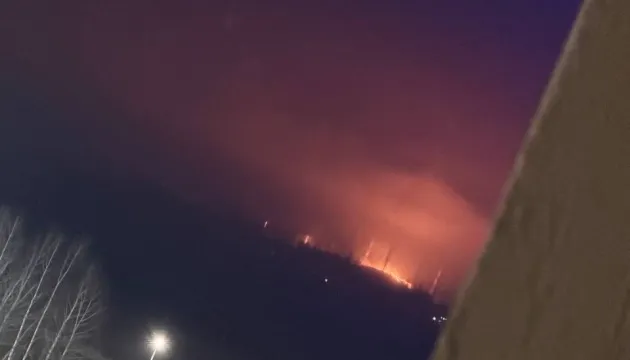 Photo: Ukrinform
Key points
Drones attacked the Kaleykino oil pumping station in Tatarstan and damaged an industrial facility in Perm Krai on 23 November, with no casualties reported.
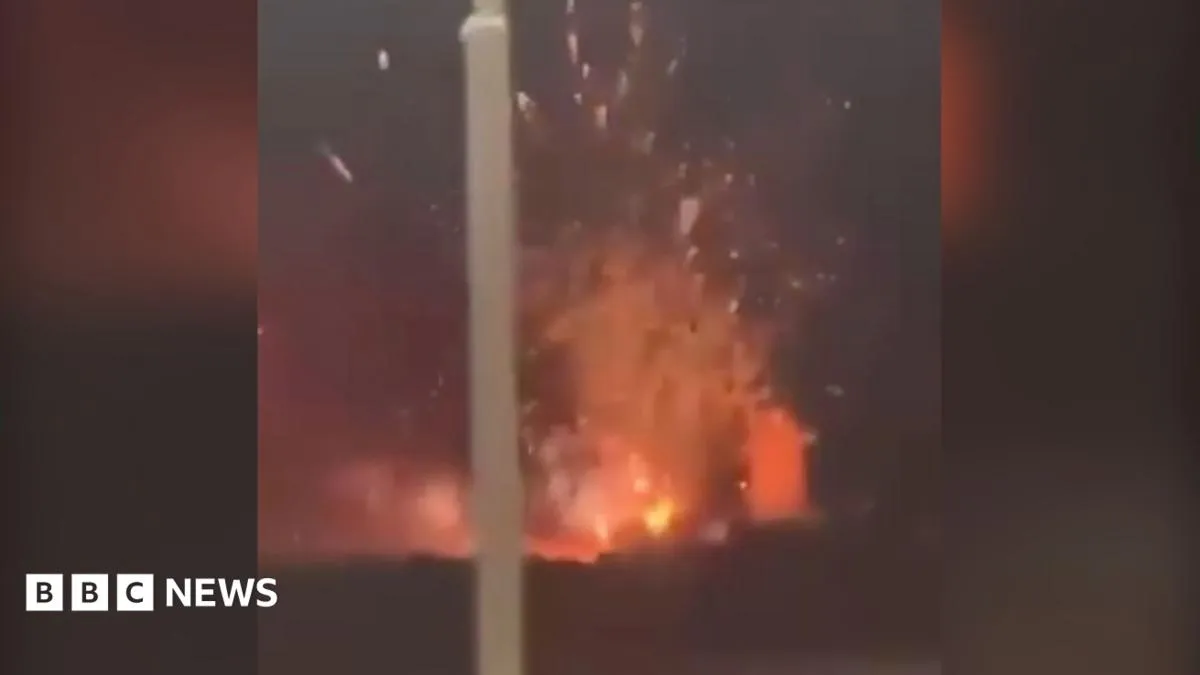
Drones struck the Kaleykino oil pumping station near Almetyevsk in Russia's Republic of Tatarstan overnight into 23 November, and local residents reported a large fire at the site. A drone attack alert was issued in Tatarstan and flight restrictions were imposed at all three airports in the republic: Kazan, Nizhnekamsk and Bugulma.
In Perm Krai, Governor Dmitry Makhonin said an industrial facility had been damaged in a drone attack on 23 November. "Air defence forces and mobile fire groups are repelling an attack by enemy drones," Makhonin said, adding that early reports indicated there were no casualties and that emergency services were working at the scene.
What the governor confirmed
Makhonin did not name the damaged facility. Monitoring Telegram channels posted footage showing fires and thick smoke in the vicinity of a Lukoil oil refinery, but Russian authorities have not confirmed that the refinery was the site hit, nor have they reported the extent of the damage to the industrial site.
Authorities in Perm Krai urged residents not to publish information about aircraft or air defence operations. No reports have emerged on the number of drones involved in the attack or on any drones being shot down, so the size of the attacking force and its interception rate are both unconfirmed.
The Kaleykino station is a junction in Russia's crude oil network. It receives, stores and pumps oil from fields in Tatarstan, Western Siberia, Udmurtia and Bashkortostan, and from there oil moves through the main pipeline network, including the Druzhba pipeline, toward Nizhny Novgorod and Samara and to refineries including the TANECO complex in Nizhnekamsk.
Why Kaleykino matters
The station is equipped with an automated blending system that mixes crude oil of varying quality to meet uniform sulfur-content standards, so its role is to make disparate crude streams interchangeable for refining and export. It also has a large tank farm, including giant storage tanks with capacities of up to 50,000 cubic metres each.
Kaleykino had already been attacked on 19 November. After that strike, local authorities said a "major fire had been avoided." The facility lies approximately 1,300 km from the Ukrainian border, a distance that puts it well beyond the front line in eastern Ukraine and inside Russia's industrial heartland on the Volga.
The disputed Novoshakhtinsk fire
An Astra OSINT analyst examined video footage and determined that the local oil pumping station was on fire. Astra, a Telegram channel, reported the strike and the residents' accounts of a major fire, and its analyst drew the same conclusion from footage of the earlier incident. A separate fire was reported in Novoshakhtinsk in Rostov region overnight. Astra reported "a major fire" in the area of the local petroleum products plant and a company involved in fuel sales, and an analyst concluded from resident footage that the fire was burning toward two facilities where local social media channels said "storage tanks may have detonated."
The two candidate sites are the Novoshakhtinsk Oil Products Plant, a major refinery in southern Russia owned by Yuzh Energo LLC, which is connected to the Sukhodolnaya-Rodionovskaya pipeline and has its own oil loading terminal in Rostov-on-Don, and TATA-GAZ LLC, a private Novoshakhtinsk company specialising in fuel trading, storage and logistics.
It has not been established whether the fire near the Novoshakhtinsk oil products plant was actually at the facility or at TATA-GAZ. No officially confirmed information on the scale of the damage has been provided for either the Tatarstan or the Rostov incident, and the Perm Krai refinery fire remains unconfirmed by the authorities.
The strikes on 23 November follow the 19 November attack on the same Kaleykino station, and Russian authorities have not said when the damaged Perm Krai facility or the Kaleykino station will resume normal operation. The next official account of damage and casualties is expected from the regional governors' offices as emergency services finish work at the sites.
Frequently asked questions
What was hit in Tatarstan on 23 November?
Drones struck the Kaleykino oil pumping station near Almetyevsk overnight into 23 November, and residents reported a large fire. The station had previously been attacked on 19 November and lies about 1,300 km from the Ukrainian border.
Did anyone die in the Perm Krai drone attack?
Perm Krai Governor Dmitry Makhonin said early reports indicated there were no casualties after an industrial facility was damaged. He did not name the facility, and authorities have not confirmed that a nearby Lukoil refinery was the site hit.
Why does the Kaleykino pumping station matter?
It receives, stores and pumps oil from fields in Tatarstan, Western Siberia, Udmurtia and Bashkortostan, and feeds the Druzhba pipeline and refineries including TANECO. It also blends crude to uniform sulfur standards and has tanks of up to 50,000 cubic metres each.