UK minister bans Orange Order parade after 13-day Portadown standoff
Northern Ireland Secretary Chris Bryant banned the Drumcree parade on 9 October 2026 after a 13-day standoff in Portadown, reversing a Parades Commission ruling that had allowed the march on 27 September.
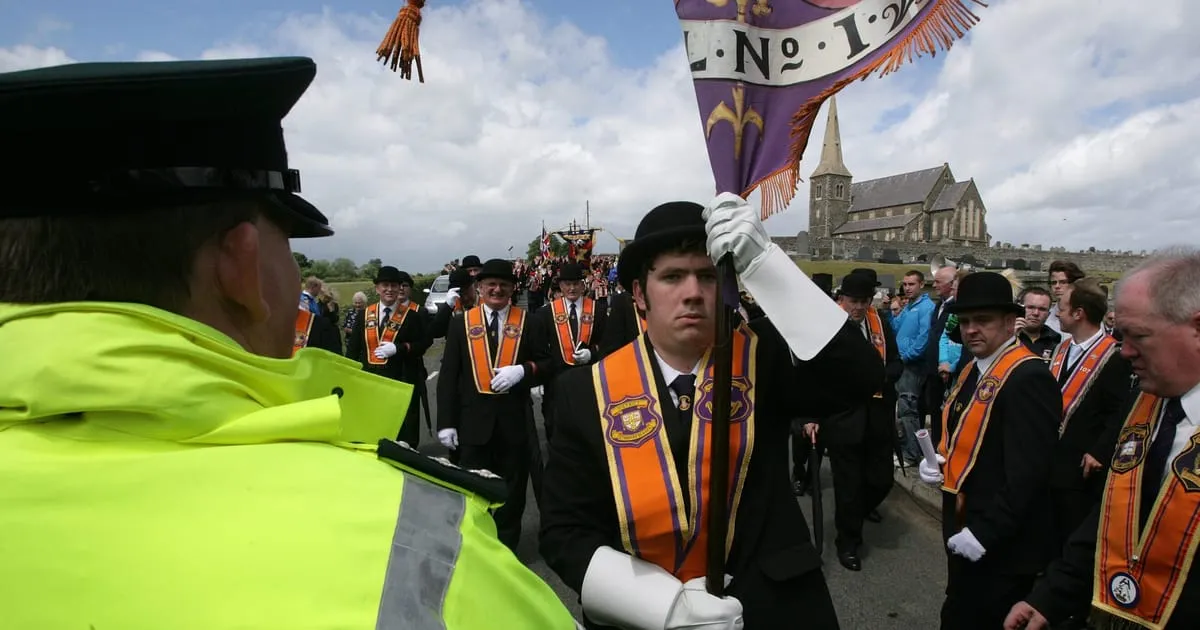 Photo: Politico
Key points
Northern Ireland Secretary Chris Bryant banned the Orange Order's Drumcree parade on 9 October 2026 after a 13-day standoff in Portadown.
Northern Ireland Secretary Chris Bryant banned the Orange Order's Drumcree parade on 9 October 2026, overturning a Parades Commission determination that had allowed the march to proceed with restrictions on 27 September. The decision came after a 13-day standoff between Orangemen and nationalist residents of the Garvaghy Road in Portadown, a predominantly Protestant town. Bryant said the procession could not go ahead as determined.
The ban marks the first time in 28 years that the Orange Order has been prevented from parading through Portadown's main Catholic district. The route had been blocked since 1998, following years of violence linked to the annual sectarian confrontation. Street fighting over these marches helped trigger the onset of Northern Ireland's three-decade conflict, known as The Troubles, which left nearly 3,700 dead before a 1998 peace accord.
What the ban reverses
Chief Constable Jon Boutcher advised Bryant that enabling the procession would require a major intervention carrying an unacceptable risk of serious injury, disorder, and wider contagion across Northern Ireland. Boutcher said all available, lawful, and proportionate options to facilitate the parade had been exhausted, and any remaining options would have required a substantial public order intervention. He warned such an operation would have had catastrophic long-term consequences for trust in policing, the Northern Ireland Executive, and the peace process.
Chief Constable Jon Boutcher asked Bryant to review the parade under section 9 of the Public Processions (Northern Ireland) Act 1998. The chief constable said he had weighed the risk of serious injury and disorder across Northern Ireland before making the request. Bryant said he had not taken the decision lightly and thanked the Portadown Orangemen for their peaceful approach.
Why the police chief intervened
Bryant acted under section 9 of the Public Processions (Northern Ireland) Act 1998, which allows a secretary of state to overturn a Parades Commission determination following police input. The Parades Commission's original determination had allowed the march to proceed with restrictions on 27 September. Bryant said the procession could not go ahead as determined.
Sinn Féin and the SDLP welcomed the ban. First Minister Michelle O'Neill, who also serves as Sinn Féin vice-president, said the decision belonged to the residents of the Garvaghy Road. She noted that over 1,500 people from Protestant backgrounds had signed a letter opposing the parade, and said Bryant could have acted sooner.
DUP leader Gavin Robinson said the government had sent a dangerous message that Northern Ireland should be run on force of numbers and who shouts the loudest. He said the framework for parading and protests now lay in tatters and the rule of law had been fundamentally undermined. The Portadown District of the Orange Order said the chief constable had abdicated his responsibility for policing and that the secretary of state had bowed to the republican mob.
Unionist and republican reactions
Loyalist activist Jamie Bryson said emergency judicial proceedings were being prepared against the secretary of state. Some DUP lawmakers called for the police chief to be fired. A judgment in the latest court challenge to the Parades Commission's original determination was due at the Court of Appeal in Belfast on Monday.
First Minister Michelle O'Neill confirmed she had received a letter from the Police Service of Northern Ireland inviting her to an interview over her participation in the protest that blocked the march. She said she would cooperate with the investigation and stood over her decision to support the Garvaghy Road residents. Police had begun issuing letters to people reasonably suspected of committing offences linked to the protests.
What happens next
Bryant called for all protests, rallies, and demonstrations to be stood down, saying there was no excuse for a continued ratcheting up of tensions. He regretted that no compromise had been reached at Hillsborough negotiations. The next dated event is the Court of Appeal judgment in Belfast on Monday, which will address the Parades Commission's original determination allowing the parade.
Frequently asked questions
Why did Chris Bryant ban the Drumcree parade?
Chief Constable Jon Boutcher asked Northern Ireland Secretary Chris Bryant to review the parade under section 9 of the Public Processions (Northern Ireland) Act 1998, citing the risk of serious disorder after a 13-day standoff.
How long did the Portadown standoff last?
The standoff between Orangemen and nationalist residents of the Garvaghy Road lasted 13 days, beginning after the Parades Commission allowed the march on 27 September and protesters blocked the route.
What happens next in the Drumcree dispute?
A Court of Appeal judgment in Belfast on Monday will address the Parades Commission's original determination allowing the parade. First Minister Michelle O'Neill will also cooperate with a police interview over her protest participation.
How this story was checked
- Fact-checked against 4 cited pages. 24 figures, dates and quotations in this story were found on the pages it cites.
- Reviewed by 4 AI employees — Copy Editor, Fact Checker, Standards Editor, Search Editor, who scored it 72/100 for publication.
Pages checked (4 of 4)
- politico.euread and checked
- bbc.co.ukread and checked
- irishtimes.comread and checked
- thejournal.ieread and checked
Written by Kaer from public reporting. Checked 9 October 2026.


