Eisenkot calls West Bank settler arson 'Jewish terrorism' as 12 vehicles burn
Israeli opposition leader Gadi Eisenkot condemned overnight settler arson in Palestinian villages near Ramallah as "Jewish terrorism" after twelve vehicles burned and police opened an investigation.
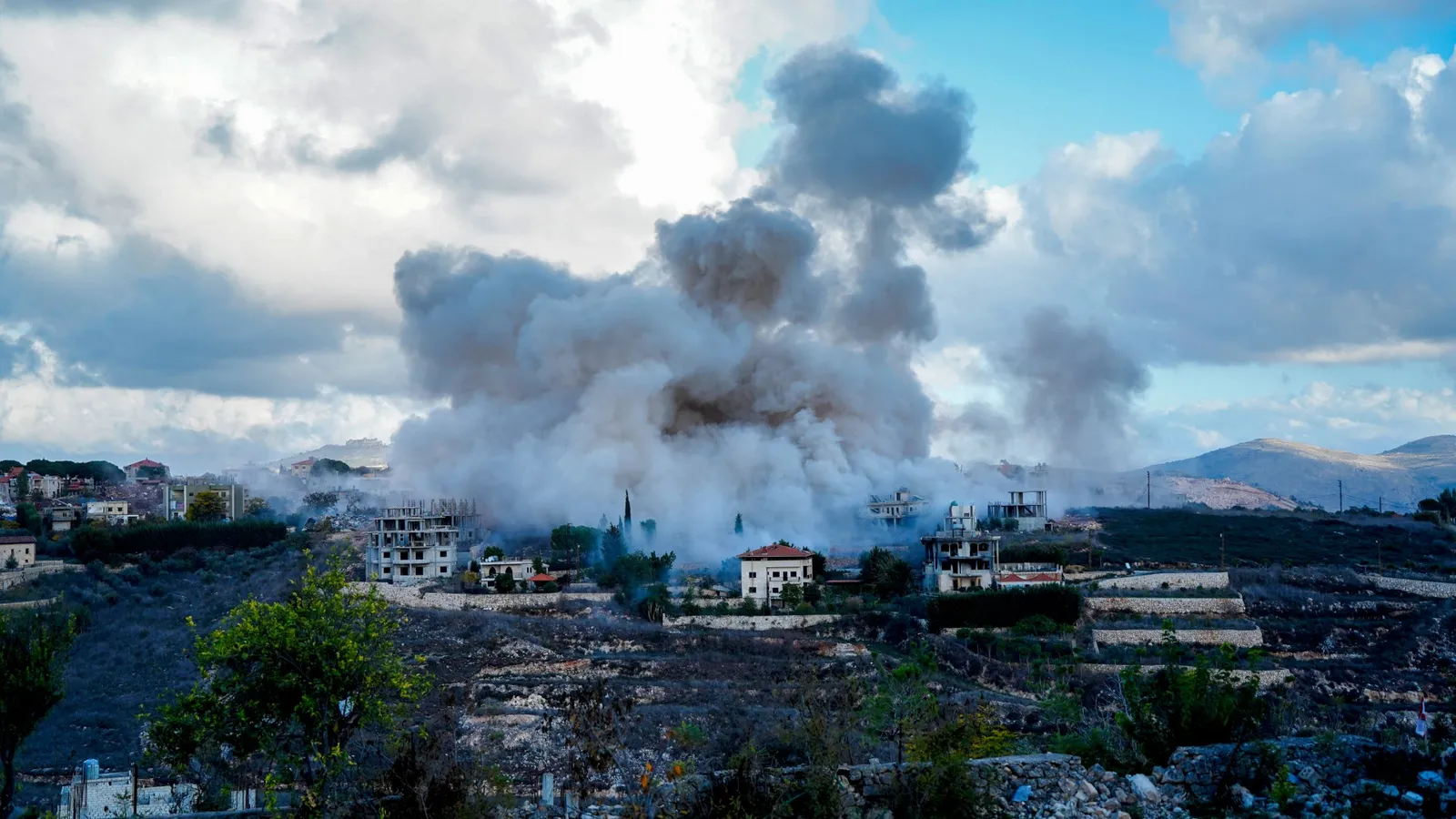 Photo: Middle East Eye
Key points
Israeli opposition leader Gadi Eisenkot condemned overnight settler arson attacks on Palestinian villages in the West Bank as "Jewish terrorism" and called for arrests and severe sanctions.
Israeli opposition leader Gadi Eisenkot condemned arson attacks by settlers on Palestinian villages in the occupied West Bank as "Jewish terrorism in every sense of the word" after twelve vehicles and several homes were set alight overnight into Sunday. Israeli police said they opened an investigation into the attacks, which came after parliament was sworn in on November 10 without a new government following the October 27 election.
Twelve vehicles were reportedly set alight in at least five villages in the early hours of Sunday, and homes were also reportedly burned. In Kafr Malik, near Ramallah, seven cars were set alight. Residents told of explosions a few metres from their homes and rushed to douse flames engulfing the vehicles. No injuries were reported and no one immediately claimed responsibility.
What residents saw in Kafr Malik
Montaser Almalki, a resident of Kafr Malik, said he woke to the sound of explosions. "When you wake up at 2:30 in the morning to seven cars on fire, the sight is terrifying. It's frightening for adults and children alike … it's an awful sight," he said. He described screaming and panic in the village as neighbours carried water to put out the fire.
Graffiti was sprayed in the area, including the phrases "Hit them hard", "Revenge" and "Don't mess with the people of Israel". One wall read "Greetings from Susya", an apparent reference to a recently evacuated Israeli outpost in the southern West Bank. Photographs from Kafr Malik showed Hebrew writing that read: "This is the first revenge." No injuries were reported and no one immediately claimed responsibility.
Eisenkot wrote on X that sabotage by extremist groups setting fire to vehicles and homes "undermines regional stability, endangers lives and severely damages the national security and foreign relations of the state of Israel". He called for those responsible to be arrested and for "severe sanctions" to be imposed on them, and urged the government and security establishment to use administrative detention and targeted operations by the Shin Bet, Israel's internal security service.
Ministers trade blame over violence
Eisenkot blamed the escalation on Netanyahu's government, naming far-right ministers Itamar Ben-Gvir and Bezalel Smotrich. He said their actions in the West Bank had "brought the area to the brink of unchecked anarchy". Ben-Gvir replied in an X post that Eisenkot's condemnation amounted to selling out to Arab parties, which could become part of a possible new government. Smotrich favours settlement expansion and wants Israel to annex the West Bank.
Foreign Minister Gideon Saar condemned the attacks by a "handful of extremists" and said they are "against our values and do not represent the law-abiding citizens of Judea and Samaria", the biblical names for the West Bank. He told the ELNET Jerusalem Summit that Israeli authorities are firmly committed to enforcing the law against extremist violence. Netanyahu had not yet commented, and no arrests had been reported.
The Israeli military condemned the violence and said soldiers and Border Police had been dispatched to Deir as-Sudan, Deir Abu Masha'al, Kafr Malik and At-Tuwani following reports and footage of burning vehicles and sprayed graffiti. Police said forensic teams were investigating who set the fires. Opposition leader Yair Lapid called the attacks "Jewish terrorism" produced by criminal negligence, saying ministers were deliberately encouraging the violence through their silence.
Yair Golan, leader of the Democrats party, warned of a third intifada and described the West Bank as "on the brink of an explosion". Noam Tibon, a retired army major general and Knesset member, wrote: "If Israel does not eliminate Jewish terrorism in the West Bank, it will destroy Israel." In the United States, Democratic Congressman Josh Gottheimer said the incidents warrant a full and thorough investigation.
Rights groups question enforcement
Human rights organisations said settler attacks were enabled by the authorities. B'Tselem spokesperson Yair Dvir said: "At the moment, we don't see any real attempts by the Israeli authorities to stop it. A condemnation is not enough." He added that settlers receive almost total impunity, which he described as one way the Israeli system supports and allows the attacks to continue.
The UN Office for the Coordination of Humanitarian Affairs says there have been an average of six settler attacks a day in the West Bank in 2026. The attacks follow a deadly olive harvest season. On Tuesday, a 72-year-old Palestinian woman was shot dead in an overnight attack by Israeli settlers in a village near Jericho. Since the 7 October 2023 Hamas-led attacks on Israel, more than 1,100 Palestinians have been killed in the West Bank by Israeli forces or settlers.
Eisenkot, who heads the centre-right Yashar party, has been given 28 days by President Isaac Herzog to form a government, with a possible 14-day extension. Parliament was sworn in on November 10 without a new government after the election on October 27. Unless Eisenkot forms a unity government with Netanyahu, he is likely to need support from Arab parties to command a majority of parliament's 120 seats. If no one can form a government, another election will be held next year.
Frequently asked questions
What did Gadi Eisenkot say about the settler attacks?
Eisenkot described the arson attacks on Palestinian villages as "Jewish terrorism in every sense of the word". He said extremist groups setting fire to vehicles and homes undermine regional stability, endanger lives and damage Israel's national security and foreign relations, and called for arrests and severe sanctions.
How many vehicles were burned in the West Bank attacks?
Twelve vehicles were reportedly set alight in at least five villages in the early hours of Sunday. In Kafr Malik alone, seven cars were burned. Homes were also reportedly set alight in villages in the West Bank.
What happens next in Israel's coalition talks?
President Isaac Herzog has given Eisenkot 28 days to form a government, with a possible 14-day extension. Parliament was sworn in on November 10 without a new government. If no one can form a government, another election will be held next year.