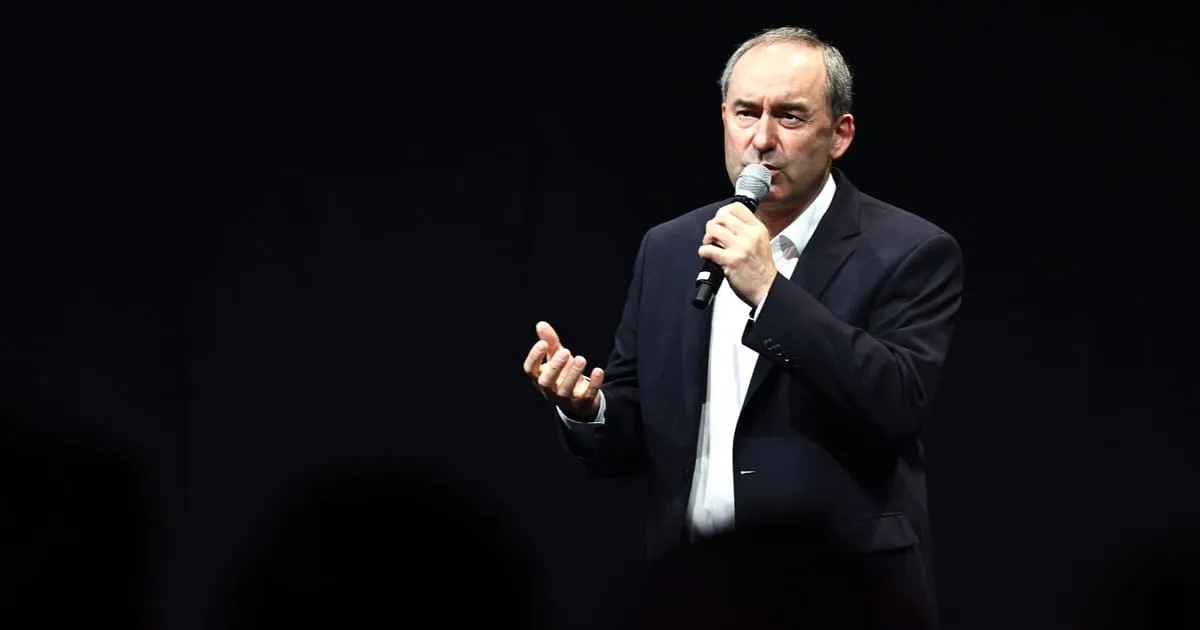
Eisenkot wins 67 recommendations, Herzog to decide mandate Sunday
Gadi Eisenkot secured 67 Knesset recommendations against Netanyahu's 46, and President Herzog will announce the mandate on 8 November.
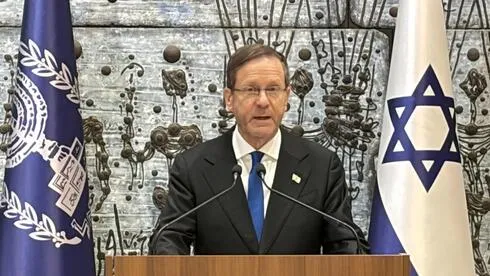 Photo: Ynetnews
Key points
Eisenkot won 67 Knesset recommendations to form Israel's next government, leading Netanyahu's 46, with Herzog to decide Sunday.
Gadi Eisenkot, chairman of the Yashar! party, secured recommendations from 67 lawmakers to form Israel's next government, putting him in a strong position to receive the mandate from President Isaac Herzog. However, an official announcement will not come this week. Following two days of consultations with representatives of the parties elected to the 26th Knesset, Herzog said Thursday evening that he would announce on Sunday, November 8, whom he would task with forming the next government.
Herzog said the consultations appeared clear on the surface, but the authority granted to him by law requires him to examine the ability to form a government. "That ability is not entirely clear, given the mutual disqualifications between the blocs and within the blocs themselves," he said. He pledged to "turn every stone" in personal conversations with party leaders before assigning the mandate on Sunday.
Herzog's decision delayed
Eisenkot received 67 recommendations, compared with 46 for Likud chairman Benjamin Netanyahu, a margin of 21 lawmakers. Netanyahu was recommended by Likud, Religious Zionism, Otzma Yehudit, Shas and Zehut, while Eisenkot received recommendations from Yashar!, Together, The Democrats, Yisrael Beytenu, Ra'am and the Joint List. United Torah Judaism declined to recommend either candidate.
Yashar! said Eisenkot received an absolute majority of recommendations, the highest number for a candidate since 2015. The party added that Netanyahu is a caretaker prime minister with a minority of just 46 seats, and called for a national emergency government to be established immediately. "Missing this opportunity could come at a heavy cost to Israel and lead to another election," the party said.
Arab parties' 19 seats have shifted the post-election balance of power. The Joint List, with 11 seats, and Ra'am, with eight, both recommended Eisenkot, marking a decisive shift. Joint List leader Yousef Jabareen described the situation as a historic opportunity to change political direction, while Ra'am had already joined the Bennett-Lapid government coalition in 2021.
Arab parties' support
The 67 seats do not constitute a governing majority, as several of those prepared to nominate Eisenkot refuse to participate in the same governing arrangement. Avigdor Lieberman, leader of Yisrael Beiteinu, will support giving Eisenkot the mandate but has no intention of joining a minority government dependent on Arab parties. Former prime minister Naftali Bennett also faces difficulties cooperating with Arab parties.
Eisenkot has set conditions for cooperation in government: recognition of Israel as a Jewish and democratic state, acceptance of its fundamental principles and a clear position towards Hamas. These conditions represent a significant obstacle, particularly for the Joint List, which has deep-seated policy disagreements with parts of the Jewish opposition's platform and will not formally join his coalition.
United Torah Judaism's abstention marks a major fracture in its long-standing alliance with Netanyahu. Prompted by spiritual directives, UTJ's leadership withheld support due to frustration over Netanyahu's failure to pass legislation enshrining military service exemptions for yeshiva students. UTJ representatives told Herzog that their backing for any future administration remains contingent on securing those exemptions.
Coalition hurdles
Shas's Rabbi Moshe Maya urged Eisenkot to join Netanyahu in a rotation government, with ultra-Orthodox parties and Religious Zionism participating. "The only solution is a unity government, and this is Eisenkot's real moment of truth," Maya said. He argued that the Jewish political forces seeking to replace Netanyahu have 48 seats, while the ultra-Orthodox parties and Religious Zionism would contribute another 19 seats.
Herzog is expected to formally task Eisenkot with the first attempt to assemble Israel's next government on Sunday. The recommendations do not necessarily mean that the parties backing him will ultimately join his coalition. The Joint List said its support was important despite the opposition bloc's failure so far to demonstrate sufficient willingness to "confront Netanyahu's path, as well as to fight incitement against Arab citizens and attempts to undermine the" — the quote is incomplete in the evidence, so the draft should either complete it or paraphrase.
Frequently asked questions
What are the 67 recommendations for Eisenkot?
Eisenkot received 67 recommendations from Knesset members to form Israel's next government, compared with 46 for Netanyahu. This includes support from Yashar!, Together, The Democrats, Yisrael Beytenu, Ra'am, and the Joint List.
Why did United Torah Judaism abstain?
UTJ abstained due to frustration over Netanyahu's failure to pass legislation on military service exemptions for yeshiva students. Its backing for any future government is contingent on securing those exemptions.
When will Herzog announce the mandate?
President Isaac Herzog will announce on Sunday, November 8, whom he will task with forming the next government, following consultations with party leaders.