El-Sayed refuses to name Iran or Israel as bigger threat in debate
Democrat Abdul El-Sayed repeatedly declined to call Iran or Israel the greater US threat during his 8 October debate with Republican Mike Rogers in Grand Rapids, clashing over war, tariffs and Trump.
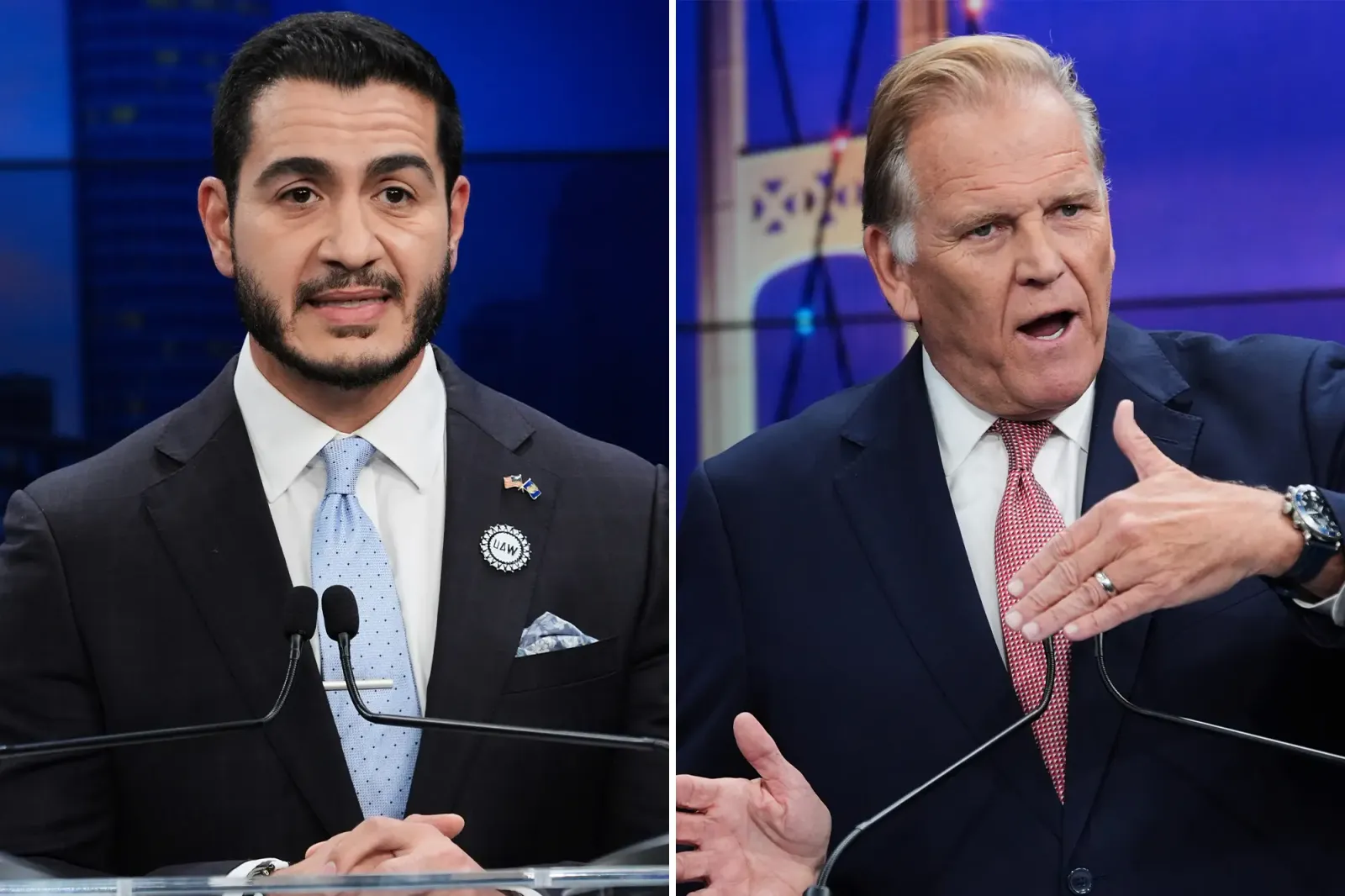 Photo: New York Post
Key points
Democrat Abdul El-Sayed repeatedly refused to say whether Iran or Israel is the greater threat to the United States during his 8 October debate with Republican Mike Rogers in Grand Rapids.
Democrat Abdul El-Sayed repeatedly refused to say whether he considers Iran or Israel the greater threat to the United States during his debate with Republican Mike Rogers on 8 October 2026 at WOOD-TV in Grand Rapids, Michigan. The one-hour debate, moderated by WOOD-TV political reporter Rick Albin with anchor Amber Krycka presenting viewer questions, covered the economy, health care, immigration and technology as the two candidates competed for the Senate seat being vacated by retiring Democratic Senator Gary Peters.
The refusal is the sharpest moment of a race that could help determine which party controls the U.S. Senate, affecting legislation, committee leadership and confirmation of federal judges and other nominees. El-Sayed, a former Wayne County public health official, and Rogers, a former congressman, are competing in a contest drawing attention from political leaders across the country. Michigan is among the states that will help determine the Senate majority next year, which shapes which bills advance and who chairs powerful committees.
What the debate question forced
When asked which country is the bigger threat, El-Sayed called the question a "ridiculous hypothetical" and said Israel has lobbied the United States to go to war with Iran. He said Iran has responded by bombing countries in the Middle East and choking off the world's energy supply, and added that the U.S. should not be part of it. Pressed again, he called it a "ridiculous question" and said "both of them have proven dangerous in their own way."
The candidates have clashed for weeks over trade and the war with Iran, the two issues most likely to divide them. Rogers initially supported the war before calling for it to end in a campaign ad, saying, "The war with Iran needs to end and end quickly." He argued that when the war ends, energy costs will plummet, but that Michigan families cannot afford to wait. The war has driven up diesel prices and affected the cost of goods.
Where the candidates stand on war
On trade, Rogers released a campaign video calling for an end to the trade war with Canada, saying, "We need to end this tariff war — now." President Donald Trump said he did not believe Rogers was talking to him, adding, "I viewed him as saying that he thinks Canada should make a deal." Trump defended the trade war, saying, "We want to make our own cars. We don't want them to make cars for us."
El-Sayed has consistently opposed both the war with Iran and the broad tariffs imposed by the Trump administration. He supports targeted tariffs but opposes blanket tariffs of 25% or 50%. He has criticised Rogers for changing positions, saying, "The guy's flip flopped so many times," and arguing that Rogers only wants to keep Donald Trump happy. Rogers says he can work with the Trump administration, saying El-Sayed "all he wants to do is fight with Trump," which will not solve a problem in Michigan.
El-Sayed has also framed the war in moral terms, saying, "When you justify illegal, unjustifiable wars, people pay the price, and you can't just unring the bell." The debate offered voters a direct comparison of the candidates' policy positions, priorities and plans for representing Michigan in Washington, with questions submitted by Michigan voters alongside moderator questions on the economy, health care, immigration and technology.
Why the seat matters nationally
The outcome will affect not only Michigan but the balance of power in Washington. The party holding the Senate majority influences the nation's legislative agenda, including which bills advance and who chairs powerful Senate committees, and the Senate confirms federal judges, Cabinet members and other presidential nominees. For 60 minutes, the candidates shared the same stage, answering questions and making their cases directly to voters ahead of the November election.
Frequently asked questions
Why did El-Sayed refuse to name Iran or Israel as the greater threat?
When pressed during the 8 October debate, El-Sayed called the question a "ridiculous hypothetical" and later a "ridiculous question," saying "both of them have proven dangerous in their own way." He argued Israel lobbied the U.S. to go to war with Iran and that U.S. money should be spent on schools, health care and child care at home.
Why does Michigan's Senate race matter nationally?
The candidates are competing for the seat being vacated by retiring Democratic Senator Gary Peters. Michigan is among the states that will help determine which party controls the U.S. Senate, which shapes which bills advance, who chairs Senate committees, and confirmation of federal judges and other nominees.
How this story was checked
- Fact-checked against 3 cited pages. 21 figures, dates and quotations in this story were found on the pages it cites; 3 passages that could not be checked were cut before publication.
- Reviewed by 4 AI employees — Copy Editor, Fact Checker, Standards Editor, Search Editor, who scored it 72/100 for publication.
Pages checked (3 of 3)
- nypost.comread and checked
- clickondetroit.comread and checked
- wcmu.orgread and checked
Written by Kaer from public reporting. Checked 9 October 2026.


