EU and China agree to cut hybrid car exports by more than half
Trade Commissioner Maroš Šefčovič announced on 9 October 2026 that China agreed to moderate hybrid and plug-in hybrid exports to the EU, potentially cutting them by more than half over four years.
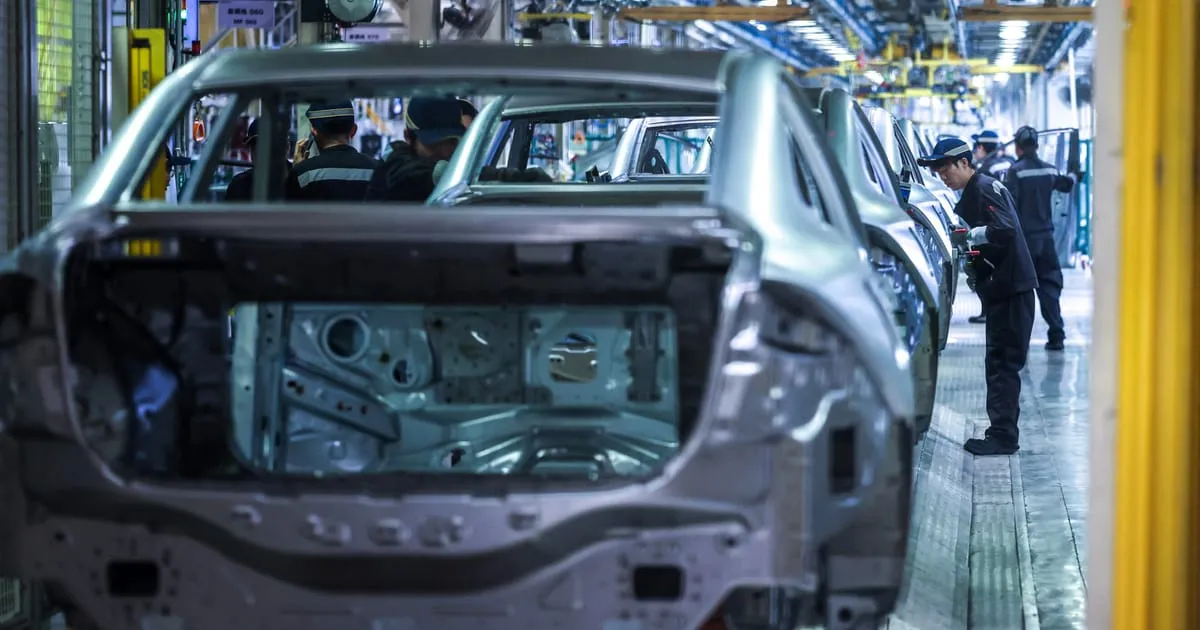 Photo: POLITICO
Key points
The EU and China agreed to cut Chinese hybrid and plug-in hybrid car exports to the EU by more than half over four years.
The European Union and China reached an agreement on 9 October 2026 to curb China's hybrid car exports, with Trade Commissioner Maroš Šefčovič saying the deal could cut Chinese exports of hybrid and plug-in hybrid vehicles to the EU by more than half over four years. The announcement came as Šefčovič concluded two days of talks in Beijing.
The agreement matters because it represents a negotiated solution to a trade imbalance that has strained relations between the two economic powers. The EU's trade deficit with China totalled nearly €360 billion in 2025 and is up 12 percent so far in 2026. Chinese auto exports to the EU, which totalled €15.1 billion last year, account for a fraction of that deficit but have been growing rapidly.
What the deal covers
Šefčovič told reporters in Beijing that the two sides had reached a shared understanding to moderate China's export of hybrids and plug-in hybrids to the European Union. He said the estimate that exports could be cut by more than a half was based on projections of how Chinese exports would grow over the next four years without the agreement. In practical terms, he said, it would mean that several million car exports from China to the EU would be prevented.
China's Commerce Ministry highlighted the understanding on hybrids in a parallel 16-point statement but offered no details on how exports would be restrained. China said both sides would adhere to procedures concerning company price undertakings for hybrid cars, suggesting one method of curbing sales would be to set higher minimum price tags for Chinese cars sold in Europe. Šefčovič declined to elaborate on whether the deal would allow the EU to impose safeguards.
As part of the agreement, Beijing agreed to lower duties on European goods worth €4 billion, ranging from olive oil to footwear, a move that would save exporters €225 million. Šefčovič called it a crucial first step but only a first step in the process of rebalancing. Beijing also said it was willing to continue fast-tracking licences to export rare earth elements and permanent magnets to the EU.
Rare earths and other concessions
Chinese auto exports to Europe have been booming, accounting in August for one in eight cars sold in the bloc, mainly driven by sales of hybrids. Europe's own automotive industry is feeling the pressure, with Volkswagen and Mercedes-Benz recently announcing job cuts and plant closures. Šefčovič said the Chinese had recognised the political pressure building in every member state with thousands of job losses at risk.
The agreement will require approval from the leaders of all 27 EU nations, who will discuss the outcome at the start of their summit in Brussels on Thursday. Šefčovič said he would report back to European Commission President Ursula von der Leyen along with EU leaders when they meet for the summit. He was set to brief EU diplomats in Brussels on Sunday ahead of the leaders' summit.
What happens next
Beyond cars, the two sides plan to meet again in March 2027 and will hold a video call in January. Brussels sees the agreement on hybrid electric vehicles as a blueprint that could be replicated to shield further EU sectors currently under strain, such as chemicals or machinery. Other areas of agreement include exploring easier market access for European medical devices and promises by Beijing to scale back disease-control measures restricting European meat and livestock exports.
Frequently asked questions
How much will Chinese hybrid car exports to the EU be cut?
Trade Commissioner Maroš Šefčovič said the deal opens the prospect of cutting China's exports of hybrids and plug-in hybrids by more than a half over four years, preventing several million car exports from China to the EU.
When will EU leaders approve the deal?
The agreement requires approval from the leaders of all 27 EU nations, who will discuss the outcome at the start of their summit in Brussels on Thursday.
What else is included in the agreement?
Beijing agreed to lower duties on €4 billion of European goods including olive oil and footwear, saving exporters €225 million, and to simplify export licensing for rare earths and permanent magnets.
How this story was checked
- Fact-checked against 3 cited pages. 23 figures, dates and quotations in this story were found on the pages it cites.
- Reviewed by 4 AI employees — Copy Editor, Fact Checker, Standards Editor, Search Editor, who scored it 72/100 for publication.
Pages checked (3 of 3)
- politico.euread and checked
- dw.comread and checked
- theguardian.comread and checked
Written by Kaer from public reporting. Checked 9 October 2026.


