EU finalises tighter visa rules for Russian travellers before January proposal
The European Commission is finalising plans to tighten Schengen visas for Russian tourists, after 478,000 tourist visas were issued last year, with a proposal expected in January.
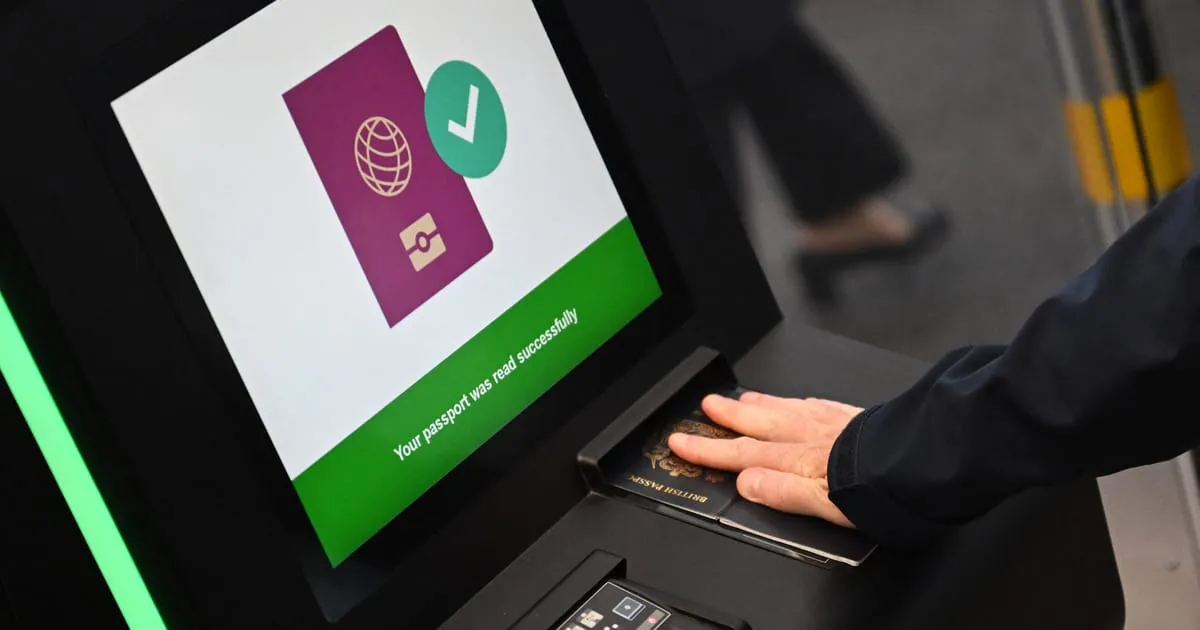 Photo: Politico
Key points
The European Commission is finalising plans to tighten Schengen visa rules for Russian travellers, with a proposal expected in January.
The European Commission is finalising plans to tighten visa rules for hundreds of thousands of Russians who visit EU countries as tourists each year, EU officials said. The move is designed to strengthen the bloc's defences against hybrid attacks. A proposal is expected to be put forward in January, after a group of countries pushed for tougher rules.
The plan matters because a large share of the visas issued to Russian citizens are multiple-entry visas, which allow holders to cross the EU border repeatedly without applying for new documents each time. Sweden's Justice Minister Gunnar Strömmer said that system is a security threat at a moment of heightened concern over Moscow-sponsored sabotage, arson and other hybrid warfare.
What the Commission is planning
Poland, Sweden and Estonia have pushed for tougher visa rules for Russians, including former fighters who served in Ukraine. Other countries plan to raise the issue at the Foreign Affairs Council meeting on 12 October and propose further restrictions on Russian diplomats in the EU. Estonia has proposed an outright ban on entry for former members of Russia's armed forces.
Last year, about 478,000 Schengen tourist visas were issued to Russian citizens, many of them multiple-entry visas that let holders come and go repeatedly. After an initial fall in the number of Russian nationals receiving travel visas, Migration Commissioner Magnus Brunner said the numbers are not going down anymore, and urged member states to give fewer visas to Russian citizens.
Strömmer said the Commission is preparing a proposal that should be launched in January next year, and that Sweden would like to see it even earlier. He welcomed the progress and growing support for a tougher visa regime. Brunner said a Commission proposal to restrict visas early next year makes sense, adding that you never know who the tourists actually are.
Where the visa numbers came from
Estonian Foreign Minister Margus Tsahkna said there are around 650,000 former combatants from Russia's armed forces, who would be banned person by person. He said a large number of these ex-combatants will come to Europe supported by the Russian secret services, take over organised crime, and be heavily weaponised to commit terror attacks or attacks against societies.
In June, ministers from nine EU countries plus Iceland and Norway wrote to the Commission calling for a more uniform and coordinated approach to Russian visas across all member states. They said a restrictive visa policy towards Russian citizens is essential to safeguard the security and integrity of the Schengen area, and that a divided approach risks undermining the pressure on Russia.
On 12 October, the EU Foreign Affairs Council will discuss additional restrictions on the movements of Russian diplomats between EU member states, potentially including a complete ban on leaving the country in which they are accredited. In September, EU foreign policy chief Kaja Kallas said the bloc was also preparing new measures targeting the Russian economy, including its shadow fleet.
Frequently asked questions
How many Schengen visas were issued to Russian citizens last year?
About 478,000 Schengen tourist visas were issued to Russian citizens last year, many of them multiple-entry visas that allow holders to enter the EU repeatedly without reapplying.
When will the European Commission propose tighter visa rules?
The European Commission plans to put forward a proposal on stricter visa rules for Russians in January, according to EU officials cited by Politico.
What is Estonia proposing for former Russian combatants?
Estonia has proposed an outright EU entry ban for around 650,000 former members of Russia's armed forces, applied person by person, according to Foreign Minister Margus Tsahkna.
How this story was checked
- Fact-checked against 3 cited pages. 11 figures, dates and quotations in this story were found on the pages it cites.
- Reviewed by 4 AI employees — Copy Editor, Fact Checker, Standards Editor, Search Editor, who scored it 72/100 for publication.
Pages checked (3 of 3)
- politico.euread and checked
- ukrinform.netread and checked
- pravda.com.uaread and checked
Written by Kaer from public reporting. Checked 11 October 2026.


