EU accuses TikTok of algorithm creating rabbit holes
The European Commission accused TikTok on 6 November of violating digital rules with algorithms that trap users in harmful rabbit holes, risking fines up to 6% of global turnover.
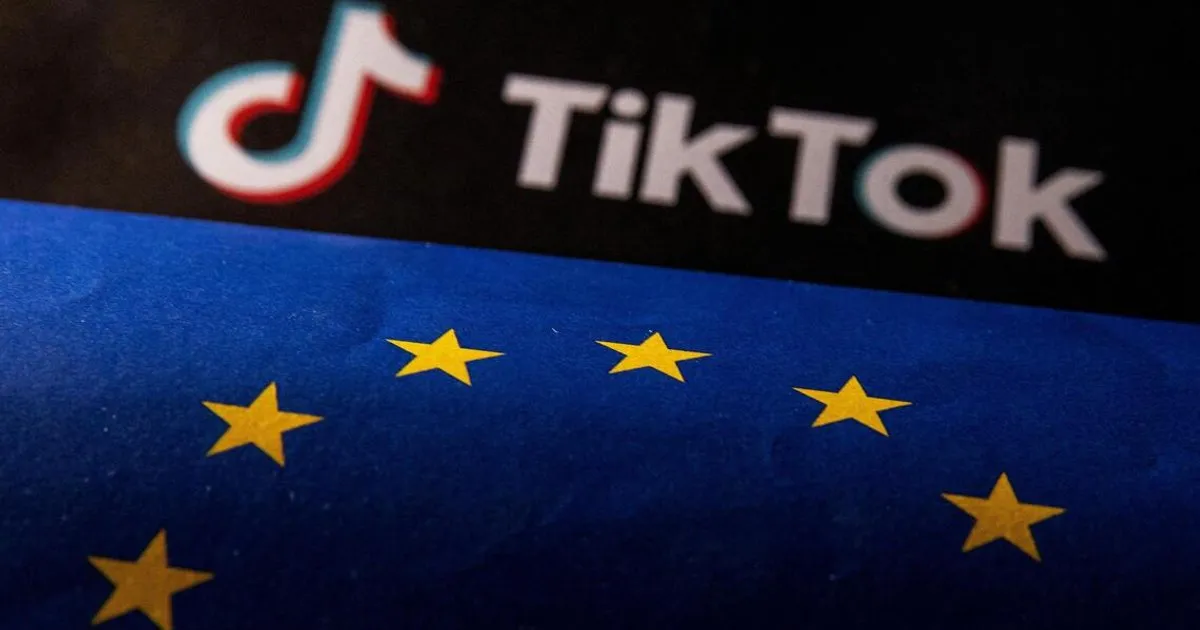 Photo: The Straits Times
Key points
The EU accused TikTok of violating the Digital Services Act with algorithms that create harmful rabbit holes, risking fines up to 6% of global turnover.
The European Commission accused TikTok on 6 November of violating the Digital Services Act (DSA) by designing algorithms that lead users down so-called rabbit holes, risking fines up to 6% of the company's annual global turnover. The preliminary findings mark the first time the Commission has focused on a social media platform's recommender systems as a breach of the DSA, according to a Commission official.
The EU executive said TikTok did not adequately consider the risk of sending users down rabbit holes through a continuous stream of personalised videos, even when those are related to mental health struggles and body image. The investigation focused on mental health impacts because the evidence was strongest, said another official, when asked about how these rabbit holes contribute to radicalisation.
First algorithm-focused case
The more users interact with content, even if it's potentially harmful, the more of that content they are recommended, the Commission said in its press release, which noted that the measures TikTok has put in place to curb the rabbit hole effect have not been effective. This is the fifth case of the EU executive accusing TikTok of breaching EU rules, even though it has issued no fines against the Chinese-owned platform.
The EU told TikTok to change the harmful design of its personalised For You feed or risk large fines under the bloc's digital content rules. Brussels warned that TikTok's recommendation system exposes children and vulnerable individuals to potentially damaging content by pushing a stream of videos similar to those the user has previously engaged with.
The Commission gave examples of changes the platform could make, such as relying more on users' explicit preferences, because the EU found that the app's 'not interested' button may not be enough to change the content feed. It also suggested disabling viewing time as an indicator to recommend content, increasing the accessibility and ease of use of user controls, and regularly testing its algorithm.
What the EU demands
TikTok should take into account explicit signals like buttons that say 'I'm not interested' more than implicit ones, like engagement, said the first Commission official. Engagement metrics measure how much users interact with content, such as how much time they spend watching a video or the content they like. Talking about mitigation of these risks, the official said that remedies have to be effective and that TikTok's current measures are not.
To say 'I'm not interested' has to have a meaning, an effective meaning, and not only should not only be an afterthought, and then you go back to the old recommender system, the official said. The DSA also foresees a non-personalized feed for all users, but only 0.2% of TikTok users actually select that option, one of the officials said.
The demand comes after the EU in February told TikTok to change addictive design features, and after it accused the company in July of exposing children to risks like cyberbullying and predatory behaviour. A senior EU official said the February findings focused on features like notifications, whereas the view on 6 November was about the algorithm itself.
TikTok's response and next steps
TikTok can now access the EU's files and defend itself against the accusations, but if the EU regulator's views are confirmed, the commission can impose a fine of up to six percent of the company's total worldwide annual turnover. In its preliminary findings, the EU said TikTok did not adequately assess how its recommendation algorithm put users' wellbeing at risk.
The EU worried that repeated exposure to certain content could lead to increased feelings of sadness or anxiety, body dissatisfaction, lower self-esteem, or worsening of existing eating disorders. The Commission has called on TikTok to change the way its For You feed recommends videos, and TikTok has not responded to requests for comment.
The charges come amid growing international concern about the effects of social media on children's mental health. Governments across the world are considering or introducing restrictions on underage users as pressure mounts on technology companies to make their platforms safer. TikTok's Chinese parent company, ByteDance, could face a penalty of up to 6% of its global annual turnover if the company fails to address the concerns raised by the Commission.
The preliminary findings are not a final decision, and TikTok will have an opportunity to respond. The action is part of a wider EU investigation into TikTok's compliance with the Digital Services Act, which requires large online platforms to take stronger measures against illegal and harmful content. The European Commission is also examining similar concerns involving Meta-owned Facebook and Instagram, focusing on whether their recommendation systems create comparable rabbit hole effects.
Frequently asked questions
What did the EU accuse TikTok of on 6 November?
The European Commission accused TikTok of violating the Digital Services Act by designing algorithms that lead users down rabbit holes, exposing them to harmful content about sadness, anxiety, and body image.
What fines could TikTok face?
TikTok could face fines up to 6% of its global annual turnover if it fails to address the EU's concerns. The preliminary findings are not a final decision, and TikTok has an opportunity to respond.
What changes does the EU want TikTok to make?
The EU wants TikTok to rely more on explicit user preferences like the 'not interested' button, disable viewing time as a recommendation indicator, make user controls easier to find and use, and regularly test its algorithm.