European supermarket fridges hit by second suspected cyberattack
Dozens of supermarkets across six European countries had fridge temperatures raised to 50C on 2 November, forcing food to be thrown away.
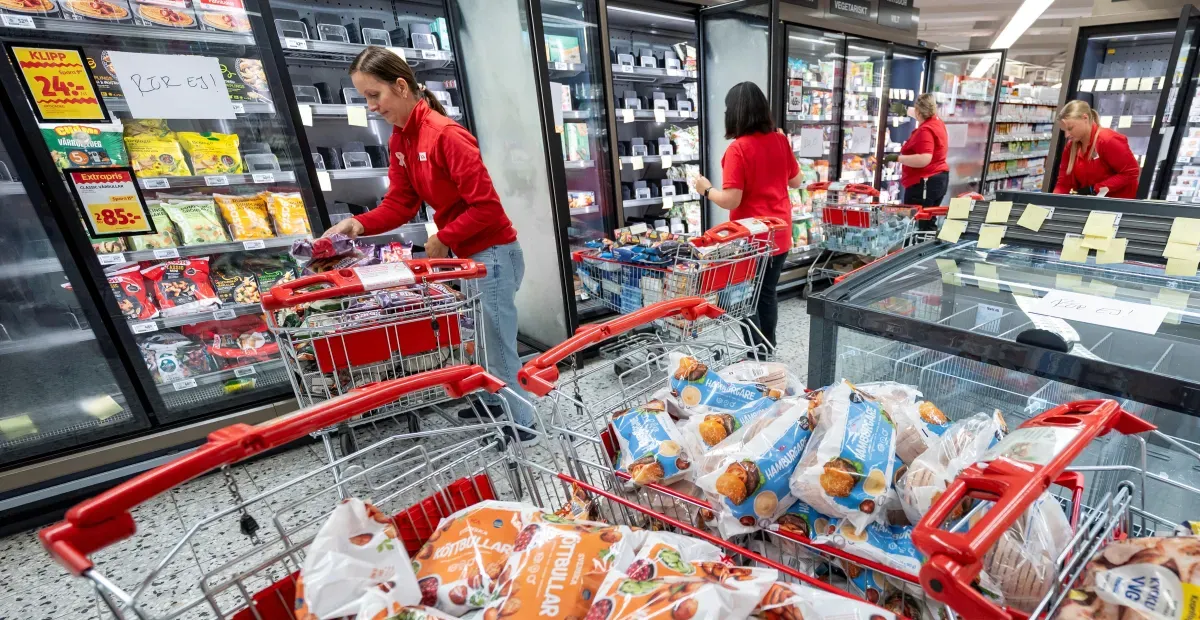 Photo: The Verge
Key points
Dozens of supermarkets in six European countries had fridge temperatures raised to 50C on 2 November, forcing food to be thrown away.
Dozens of supermarkets across six European countries were hit by a suspected cyberattack on 2 November, with fridge and freezer temperatures raised to as high as 50 degrees Celsius (122 Fahrenheit), forcing food to be thrown away. Around 40 Delhaize supermarkets in Belgium and Luxembourg were affected, while a smaller number of shops were hit in Sweden, Ireland, the Netherlands and Estonia.
The incident follows a similar attack in France last month, in which police said hackers seized control of cooling units at hundreds of supermarkets, raising temperatures as high as 50 degrees Celsius and causing fires and food losses. It is not confirmed that the attacks are connected or used the same software vulnerabilities that hit French chains last month.
What happened
Belgian media reported on Monday morning that temperatures in supermarket refrigerators had suddenly spiked, leading to food being thrown away. Supermarket chain Delhaize alerted its store managers early on Monday morning of problems with refrigerators, and Belgian broadcaster RTBF cited a store manager as saying the problems were due to a cyberattack like those in France.
A spokesperson for Delhaize said the company is aware of an "IT incident affecting the refrigeration systems in a number of Delhaize stores." Dutch retailer Ahold Delhaize, which owns Delhaize, said an "IT incident" was responsible for adjusting the temperature of refrigeration units in dozens of its supermarkets in Belgium and Luxembourg.
Stephan Moelans, CEO of Belgian refrigeration company Sabcobel, which operates Delhaize's systems, told the Belga news agency that the incident was a cyberattack and that the company had been "working all night and morning to disconnect the affected units from the network." He said the units' evaporators were switched to defrost mode, causing them to warm up, in what is believed to be the same method used in last month's French incident.
The mechanism
Moelans said since the French attack in early October, the company had been working to "protect our customers fridges against this vulnerability" but that the units needed physical modifications, not just software updates. "The simplest solution is to manage the fridges over a secure internet connection. Most of our customers switched to that after the attack in France," he added.
In Sweden, several ICA and Coop shops were hit. A spokesperson for ICA confirmed the incident had affected a "small number of ICA stores operating outside ICA's central network." One ICA branch in Sjöbo, southern Sweden, wrote on social media: "Our refrigerators and freezers have been hacked overnight and they have set the temperature to 50 degrees." The store was closed earlier but has now reopened.
Seven out of the 800 Coop stores in Sweden were also affected but the "situation is currently contained and under control," the company said. A spokesperson for Coop also confirmed that "unauthorized actors were able to access and tamper with the cooling systems at a small fraction of our stores."
Who is affected
In Ireland, the attack impacted 13 SuperValu supermarkets. A spokesman for the owner of the chain, Musgrave Group, confirmed that a "cyber incident" affected its refrigeration systems but added that the impact was limited to a "specific model" of refrigerator. A spokesperson for Danish manufacturer Danfoss told Dutch public radio channel NOS that the freezing and cooling systems of at least 17 companies in the Netherlands were attacked overnight, affecting butcher shops and small neighbourhood stores.
A Selver supermarket in Estonia was also affected, and there are reports of other affected companies in the country, according to ERR. Technology supplier Kitman Coldtech told public broadcaster ERR that an Estonian supermarket chain was affected, with temperatures set to 50 degrees Celsius. "This is very fresh, it happened this morning," Kitman CEO Jann Mutso said, declining to name the affected grocery chain.
A Delhaize branch in Hoeilaart, in Flanders, Belgium, told Het Laatste Nieuws it had lost €100,000 (£83,500) worth of produce. The manager said that estimate did not even take into account further losses that would result from closing the shop. Millions of euros worth of food has had to be thrown away, according to local media reports. Both Belgium and Sweden's national cyber-security agencies said they were monitoring the incident. A spokesperson for the Centre for Cybersecurity Belgium said the agency is "closely" following the incident. It is unclear who is behind the apparent attack. The full scale of the incident has yet to be confirmed.
Frequently asked questions
What happened in the European supermarket fridge hack?
On 2 November, dozens of supermarkets across six European countries had fridge and freezer temperatures raised to as high as 50 degrees Celsius, forcing food to be thrown away. Around 40 Delhaize stores in Belgium and Luxembourg were affected, along with shops in Sweden, Ireland, the Netherlands and Estonia.
How did the attackers raise the fridge temperatures?
According to Stephan Moelans, CEO of Sabcobel, the units' evaporators were switched to defrost mode, causing them to warm up. This is believed to be the same method used in last month's French incident, which hit hundreds of supermarkets.
Which supermarket chains were affected?
Delhaize, ICA, Coop, SuperValu, and Selver were among the chains affected. In the Netherlands, at least 17 companies, including butcher shops and small neighbourhood stores, were hit, according to Danfoss.