FAA ground stop ripple effects persist as thousands of flights delayed
On 15 November, more than 10,000 flights were cancelled or delayed as the US air travel system recovered from a nationwide ground stop.
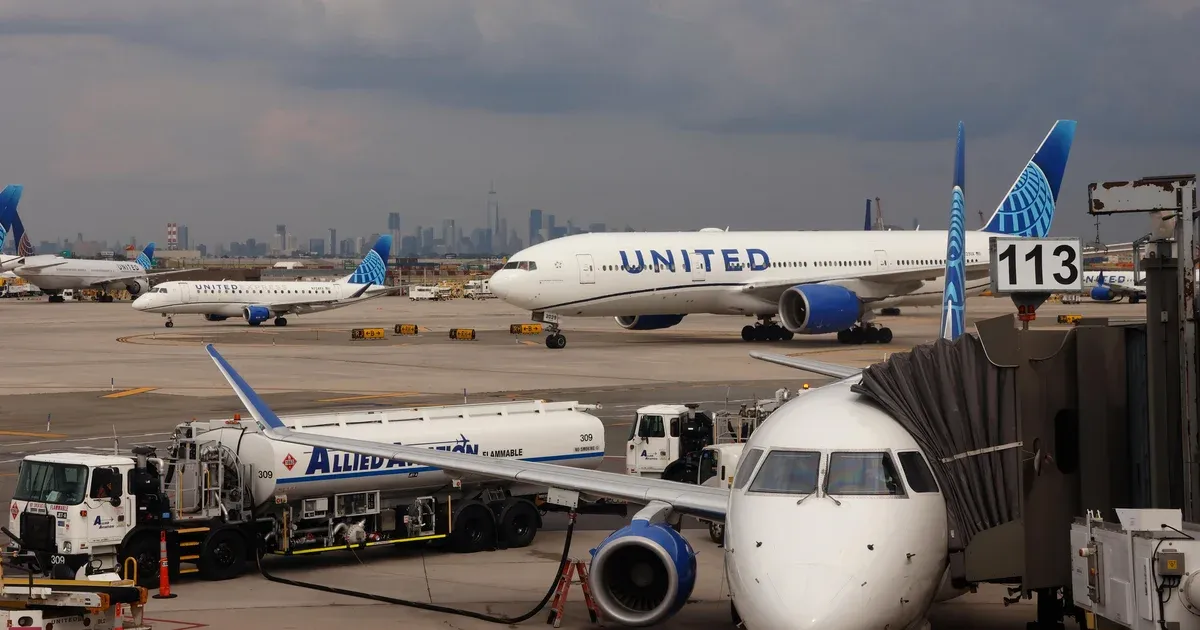 Photo: CBS News
Key points
A nationwide FAA ground stop on 13 November caused thousands of flight cancellations and delays that continued into 15 November.
More than 10,000 flights were cancelled or delayed on 15 November as the US air travel system continued to recover from a nationwide ground stop on 13 November, according to flight tracking website FlightAware. The disruption stretched into a third day, with airlines racing to get schedules back on track. Transportation Secretary Sean Duffy said flights would come "back to normal" on 15 November "but probably fully normal" on 16 November.
The ground stop began at 3:36 p.m. ET on 13 November when the Federal Aviation Administration ordered the stoppage while approximately 3,500 flights were in the air. It was lifted around 8:20 p.m. ET, lasting more than four hours. All airborne planes landed safely. The FAA said the ground stop was issued "out of an abundance of caution" after a router replacement triggered a chain of technical problems across air traffic control centres.
What caused the ground stop
Officials attributed the ground stop to aging system infrastructure and legacy technology. Duffy said on 15 November that the FAA is "still using this really old telecom network that has to be updated, upgraded, and I think built brand new." The FAA administrator, Bryan Bedford, told reporters on 14 November that updating the wires was a routine maintenance issue the agency had been working on for years, with about 70% of the system transferred from copper wires to fiber.
A preliminary investigation found that an L3Harris contractor was working in a remote FAA location, switching old copper wire to fiber while replacing a router. The router being switched then started flooding other routers, overloading the system. There were 1,000 attempts to log on every four to five seconds, Duffy said. The instability spread to 17 facilities, and after 45 minutes the FAA could not determine the cause.
The exact reason behind the failure remains unclear. Duffy said the maintenance work had been carried out thousands of times in the past without problems. The worker who installed the router was not suspected of deliberately causing the disruption. "The worker was a good American patriot, we believe, a veteran — so we don't think that someone tried to sabotage the network on the install," Duffy said. "But we don't actually have the root cause."
Airlines and passengers affected
The disruption affected airlines across the country on 15 November. FlightAware reported more than 2,300 flights cancelled and around 7,700 delayed. JetBlue saw the highest cancellations, with 28% of its flights affected. American Airlines cancelled 17% of its flights, while United Airlines, Southwest and Delta reported cancellations of 3% to 5%. The previous day, airlines had also cancelled thousands of flights and reported thousands of delays.
On 13 November, around 9,159 flights were cancelled and 7,190 were delayed, according to FlightAware, stranding passengers at major airports across the country. The ground stop was the first nationwide halt to US air travel since January 2023, when a key FAA computer system malfunctioned. Before that, the last national ground stop occurred after the 11 September 2001 attacks. The incident has renewed concerns about ageing technology and the need to upgrade the air traffic system.
United Airlines chief executive Scott Kirby called the ground stop a "call to action" in a statement posted on the airline's website on 15 November. Kirby said the air traffic control system "needs more investment in modern technology to ensure better redundancy and reliability now." He added that the FAA needs "100% staffing and to have the funds to modernize the technology. And they need and deserve 100% support from all of us."
Funding and next steps
The Trump administration boosted its request for air traffic control funding to $30 billion late on 13 November. Duffy said in a social media post that the FAA is working to modernize "this aging infrastructure thanks to a $12.5 billion down payment secured by President Trump, but that isn't ENOUGH." President Trump said on 15 November that his administration has begun upgrading the system, but that the task should not be done in "drips and drabs."
The demand for more money has not gone unchallenged. US Representatives Rick Larsen and André Carson, the top Democrats on the House Committee on Transportation and Infrastructure and its aviation subcommittee, questioned why additional funds were needed. They said in a joint statement on 14 November that FAA and Department of Transportation staff will brief the committees on 16 November about the additional $30 billion requested by the Trump administration.
The FAA said on 15 November that it had disabled the "functionality of the originating routers" and took the same step for around 60 similar routers used in the air traffic control system. The routers are now being examined at an L3Harris lab in Florida. A spokesperson for Hewlett Packard Enterprise, which owns Juniper, the company that manufactured the routers, said the devices were working properly on 13 November. "Based on what we know today, the device functioned as it was configured to by the installer. It did not fail or act improperly," the statement said.
The FAA is still trying to establish what caused the failure. Duffy said there was no evidence of a cyberattack or any other deliberate attempt to disrupt the system. The FAA administrator said there was zero evidence of anything nefarious. The investigation continues, with the FAA working to determine if the issue was human error or a faulty router.
Frequently asked questions
What caused the FAA ground stop?
The ground stop was caused by a router replacement that triggered a chain of technical problems. An L3Harris contractor was switching old copper wire to fiber and replacing a router, which then started flooding other routers, overloading the system.
How many flights were affected by the ground stop?
On 13 November, around 9,159 flights were cancelled and 7,190 were delayed. On 15 November, more than 10,000 flights were cancelled or delayed, with over 2,300 cancellations and around 7,700 delays.
When will flights return to normal?
Transportation Secretary Sean Duffy said flights would come back to normal on 15 November but probably fully normal on 16 November.