FCC approves SpaceX plan for up to 1 million Starmind satellites
The Federal Communications Commission gave SpaceX conditional approval on 25 November to deploy up to 1 million satellites for orbital data centres, with authorisation running until 2040.
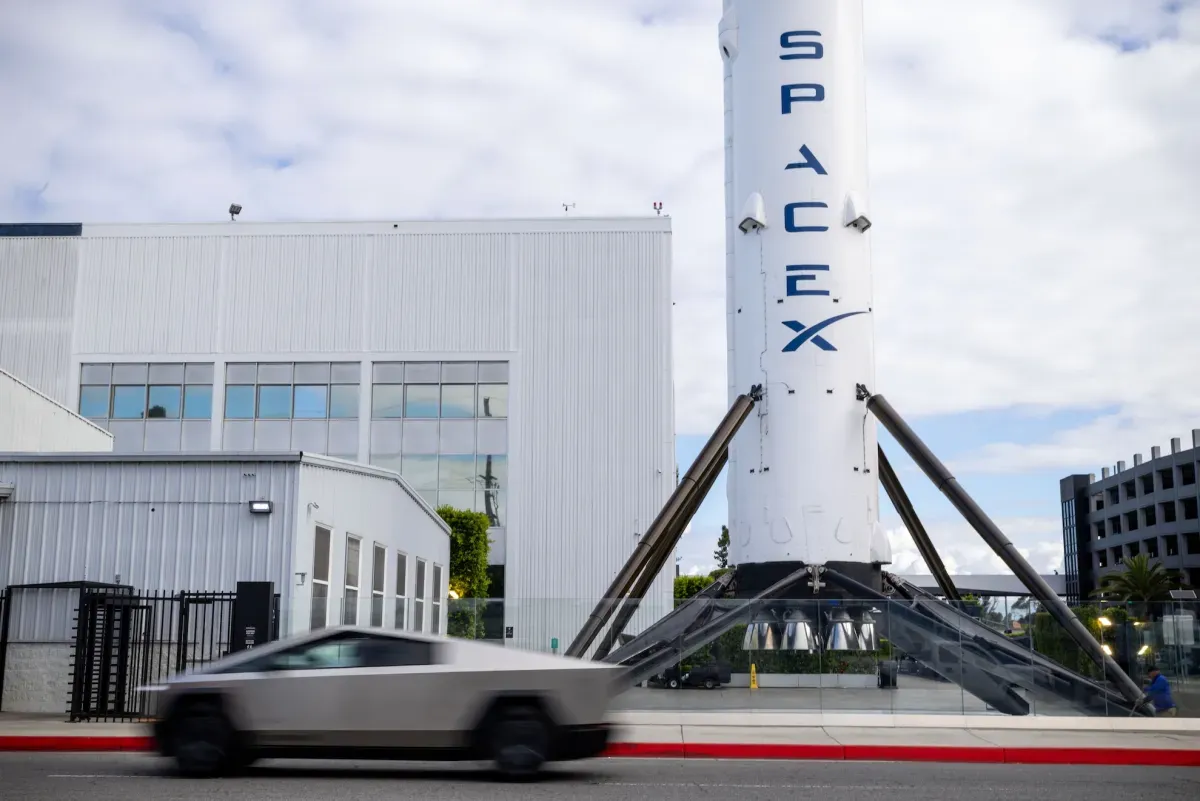 Photo: TechCrunch
Key points
The FCC granted SpaceX conditional approval to deploy up to 1 million satellites for orbital data centres, with the authorisation running until 2040.
The Federal Communications Commission granted SpaceX conditional approval on 25 November to deploy and operate a constellation of up to 1 million satellites for its orbital data centre business, the agency announced. The approval covers SpaceX's Starmind initiative, which the company describes as a way to capture solar energy in space to power artificial intelligence computing on Earth.
The authorisation runs until 2040, according to a document published on 25 November on the FCC's website. It is the first approval the agency has granted for a full constellation of AI satellites, and it gives SpaceX seven years to get its first operational satellite into orbit and 14 years to deploy the entire constellation.
What the FCC approved
Under the terms, SpaceX must deploy at least one satellite by 2033 and meet the 1 million satellite milestone by 2040. SpaceX has said it plans to fly the Starmind satellites at altitudes ranging from 500 to 1,002 kilometres. The satellites would primarily communicate using lasers to connect with other satellites, including SpaceX's Starlink network, which would relay data to Earth.
FCC Chair Brendan Carr said in a statement that the action “opens a bold new frontier for the computing infrastructure needed to power America’s leadership and growth.” In a post on X, Carr wrote: “Today, in a historic first, the FCC approved SpaceX's request for 1 million satellites (orbital compute modules) to create data centers in space.”
SpaceX chief executive Elon Musk thanked Carr in a post on X, writing: “Much appreciate. This will be a great asset to America and the world.” Musk said in August that SpaceX planned a first launch into orbit in the fourth quarter of 2027 and a ramp-up in 2028, and the company said in its IPO filing that it expects to begin deploying orbital AI compute satellites as early as 2028.
Why opponents objected
The FCC dismissed some of the key concerns raised by opponents, including potential threats to scientific research, because the agency determined they fell outside its regulatory authority. The commission also deferred SpaceX's request to dispose of satellites located above 600 kilometres in space “graveyard” orbits rather than having them burn up in the Earth's atmosphere, saying the company had not provided “sufficient information” about its disposal plans.
Existing FCC rules require satellites ending missions below 2,000 kilometres to reenter Earth's atmosphere within five years of completing those missions. SpaceX requested a waiver and has shown interest in moving some retired satellites into other orbits around Earth or even around the sun, according to the FCC authorisation document. The agency has not yet approved the company's plans to handle orbital debris for satellites operating above 600 kilometres.
The engineering still unsolved
The approval does not make orbital data centres imminent. SpaceX faces technical and economic challenges including how to cut the cost of manufacturing and launching satellites sharply, how to cool processors in space, and how to secure financing for chips destined for orbit. Processors must also withstand high levels of radiation, and satellites must endure extreme temperatures and damage from debris and micrometeorites.
SpaceX has an advantage in having its own rockets, which have already completed hundreds of missions. The company has struck a deal with Nvidia, which will supply its latest-generation Vera Rubin processors, specially designed to operate in space, and plans to produce chips for its satellites at an upcoming Terafab facility.
SpaceX is not alone in the field. Google is pursuing work under the codename Suncatcher and launched a Project Suncatcher AI server satellite in the month before the approval, while Blue Origin has applied to the FCC for its “Project Sunrise” and will carry out the first dedicated heavy-lift launch for Project Suncatcher in 2029. Startups including Starcloud are also in the race.
A satellite in a sun-synchronous orbit can capture solar energy continuously and with eight times the efficiency of its ground-based equivalent, according to the AFP report. SpaceX's authorisation runs until 2040, and the company's stated plan points to a first launch in the fourth quarter of 2027, with a bigger rollout in 2028.
Frequently asked questions
How many satellites did the FCC approve for SpaceX?
The FCC gave SpaceX conditional approval to deploy and operate a constellation of up to 1 million satellites for its Starmind orbital data centre business, with the authorisation running until 2040.
When must SpaceX launch its first Starmind satellite?
The approval requires SpaceX to deploy at least one satellite by 2033 and meet the 1 million satellite milestone by 2040. SpaceX has said it plans a first launch in the fourth quarter of 2027 and a ramp-up in 2028.