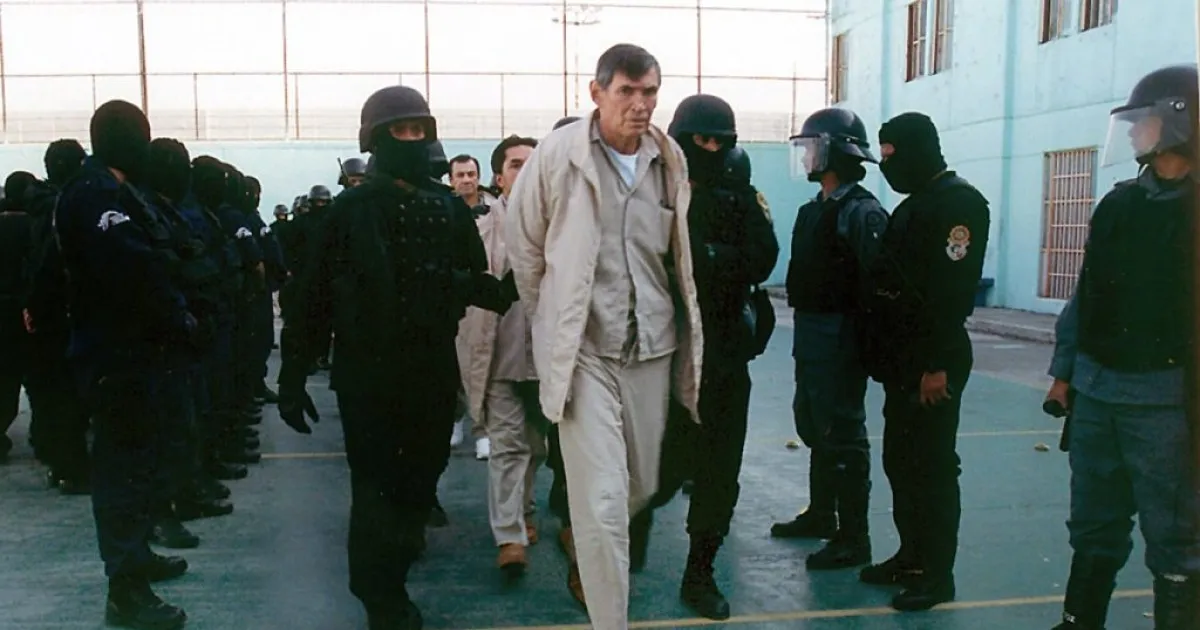
Miguel Ángel Félix Gallardo, Mexico's 'boss of bosses', dies at 80
Miguel Ángel Félix Gallardo, founder of the Guadalajara Cartel and convicted in the murder of DEA agent Enrique Camarena, died on 15 November at 80.
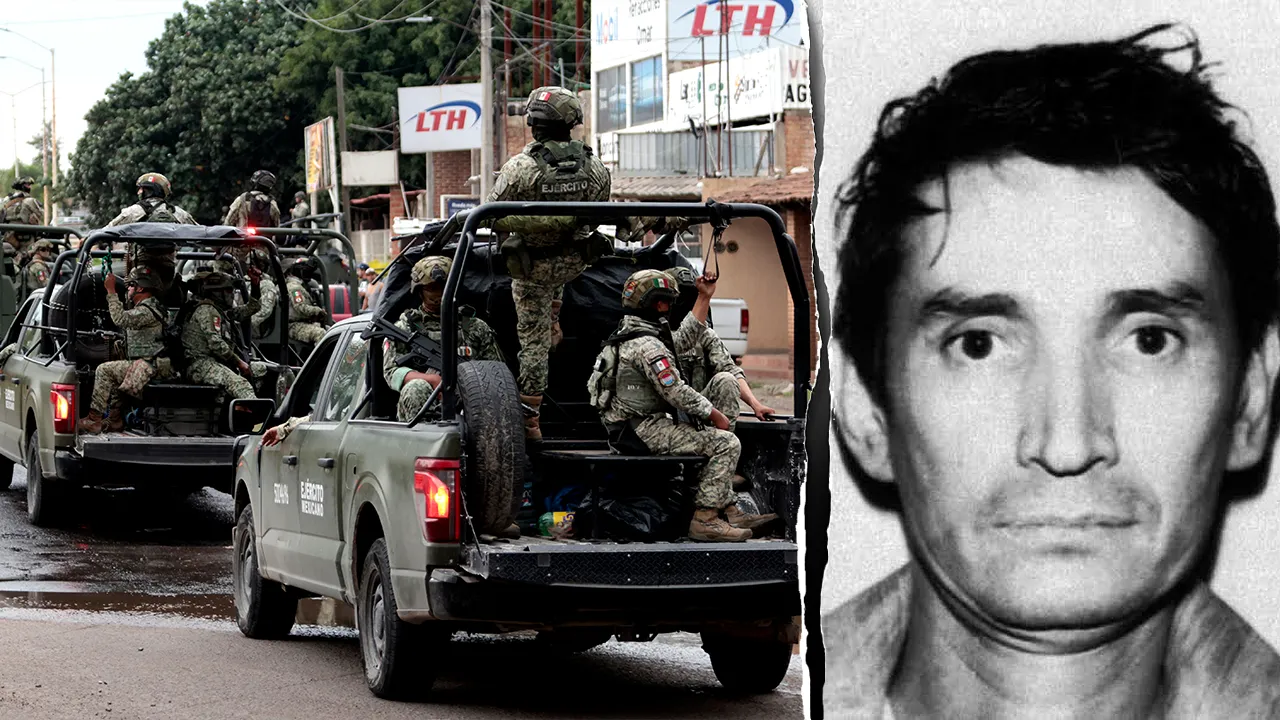 Photo: Fox News
Key points
Miguel Ángel Félix Gallardo, founder of the Guadalajara Cartel, died on 15 November at 80 after multiple organ failure.
Miguel Ángel Félix Gallardo, the founder of Mexico's Guadalajara Cartel and convicted in the murder of a US Drug Enforcement Administration agent, died on 15 November at a private hospital in Guadalajara. He was 80. Jalisco state's security ministry said he died after suffering multiple organ failure, according to a statement reported by several news outlets.
Félix Gallardo had been transferred from a high-security prison to the hospital two days before his death, on 13 November. The security ministry said he died at the medical facility after remaining under observation with a guarded prognosis. He had been imprisoned since 1989, serving consecutive sentences totalling 77 years: 40 years for drug trafficking and weapons possession, and 37 years for the murders of DEA agent Enrique 'Kiki' Camarena and pilot Alfredo Zavala.
Death and conviction
Camarena's killing triggered Operation Leyenda, which the DEA describes as the largest homicide investigation it had ever undertaken. Félix Gallardo was among the major Mexican crime figures arrested in connection with the torture and murder. His arrest in April 1989 was carried out by Guillermo González Calderoni, a former ally who US authorities said was on the cartel's payroll and who was then a top Mexican law-enforcement official.
Félix Gallardo was born on 8 January 1946 in Sinaloa state and joined the police despite having only a second-grade education. He served as a bodyguard to a Sinaloa governor, a role that experts say may have helped him secure the complicity and protection of powerful politicians. By the late 1970s, as the US intensified its war on drugs, he moved to Guadalajara, Jalisco, where he cultivated a network of political allies.
Rise of the cartel
Alongside Rafael Caro Quintero and Ernesto 'Don Neto' Fonseca Carrillo, Félix Gallardo formed the Guadalajara Cartel. The cartel was formed around a 'hegemonic model' and laid 'the roots for nearly all of today's drug trafficking activities,' according to InSight Crime, a website specializing in the drug trade. Félix Gallardo 'partnered with Colombian traffickers like Pablo Escobar, and became Escobar's most important Mexico associate,' the publication said.
Through his government contacts, Félix Gallardo arranged protection for overland routes carrying cocaine from South America through Mexico to the US border. Rather than cash, he demanded a percentage of each shipment—an innovation that made him one of the richest men in the hemisphere. Former DEA agent Héctor Berrellez said, 'We knew he was running $300 million a month through a bank in San Diego.'
Among those who got their start under Félix Gallardo was Joaquín 'El Chapo' Guzmán, who began as a low-level enforcer. According to a former Mexican police commander who became a US law enforcement informant, Guzmán met with Félix Gallardo in the late 1980s to secure federal police protection. The price: $10 million a month. 'He was the super-boss, the capo de capos,' said retired Mexican Deputy Defense Secretary Gen. Tomás Ángeles.
Legacy and split
After his arrest, Félix Gallardo is widely reported to have divided trafficking territories among regional lieutenants. That split helped give rise to the Tijuana, Sinaloa and Juárez cartels. The Guadalajara cartel imploded in the 1990s, and its local leaders formed regional cartels, including the Sinaloa cartel, built up by Joaquín 'El Chapo' Guzmán and Ismael 'El Mayo' Zambada, both sentenced to life in prison in the United States.
Félix Gallardo's health had deteriorated markedly in recent years, with conditions including high blood pressure, diabetes and deafness. In 2022, then-president Andres Manuel Lopez Obrador said he was 'in very poor health.' A judge granted him house arrest, but technical problems with electronic ankle monitoring prevented his transfer. His lawyers had been seeking his house arrest, highlighting his health concerns.
Félix Gallardo remained in the popular imagination through narcocorridos, or drug ballads, such as 'El jefe de jefes,' which is banned in public spaces, and Netflix dramas about drug trafficking, with Mexican actor Diego Luna portraying the kingpin. His death comes more than four decades after Camarena's abduction and torture, a killing that sparked the largest homicide investigation in DEA history.
Félix Gallardo's notoriety grew after his portrayal by Diego Luna in the Netflix series 'Narcos: Mexico.' He was known for his stoic demeanor and literary bent. Gen. Ángeles, who was later imprisoned on corruption charges that were dropped, recalled that the capo once recited from memory a poem about death and sacrifice. 'Live or die, it's all the same,' Félix Gallardo said. 'For those of us who have suffered death in our soul, life or death are the same thing.'
Frequently asked questions
When did Miguel Ángel Félix Gallardo die?
He died on 15 November 2026 at a private hospital in Guadalajara, Mexico, after suffering multiple organ failure, according to Jalisco state's security ministry.
What was Félix Gallardo convicted for?
He was convicted for the 1985 murder of DEA agent Enrique 'Kiki' Camarena and pilot Alfredo Zavala, receiving a 37-year prison term in 2017. He also served a 40-year sentence for drug trafficking and weapons possession.
How did Félix Gallardo influence Mexico's drug trade?
He united traffickers to form the Guadalajara Cartel, partnered with Pablo Escobar, and established a 'hegemonic model' that laid roots for nearly all of today's drug trafficking activities, according to InSight Crime.