Fiji declares state of disaster as El Nino drought worsens
Fiji declared a national state of disaster on 18 November after an El Nino-driven drought caused widespread water shortages, with 20 million Fiji dollars set aside for response.
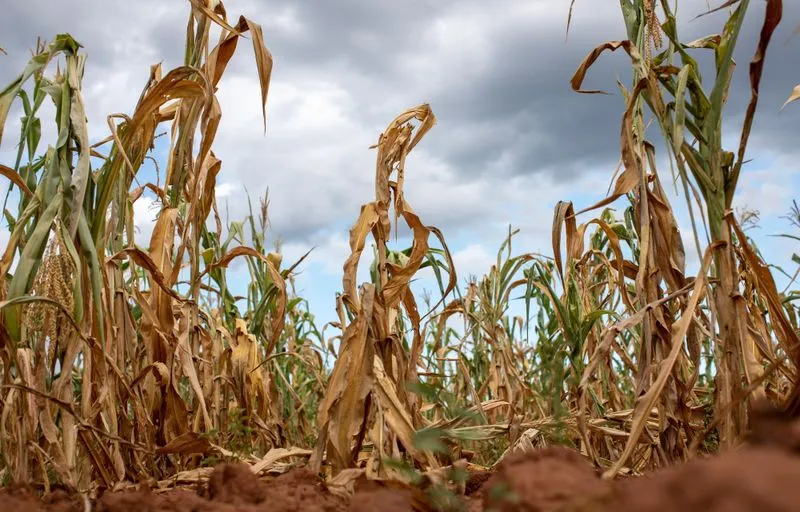 Photo: Daily Maverick
Key points
Fiji declared a national state of disaster on 18 November due to an El Nino-driven drought, allocating 20 million Fiji dollars for emergency water supplies and support.
Fiji declared a national state of disaster on 18 November after an El Nino-driven drought caused widespread water shortages, with the Pacific nation's weather bureau forecasting below-normal rainfall until at least April. Prime Minister Sitiveni Rabuka announced the declaration in a national address on Wednesday, saying it would allow the government to scale up its response by mobilising resources and coordinating assistance as conditions continue to worsen.
The declaration follows advice from the National Disaster Risk Management Council, after assessments confirmed that crisis thresholds under the National El Nino Preparedness and Response Plan had been reached. Rabuka said the government has set aside 20 million Fiji dollars ($8.5 million) for the national response, redeployed from existing funds, to ensure emergency water supplies for families and farmers. The state of disaster is declared for one month, with the government able to extend or revoke it based on the council's advice.
Government response and funding
In his address, Rabuka highlighted the human impact: "Families across Fiji are concerned about the availability of water and the effects of prolonged dry conditions on their daily lives," he said. "Farmers are worried about their crops and livestock, while communities, particularly in remote and maritime areas, face growing pressure on their water supplies. These concerns are real." The government's immediate priorities include ensuring access to safe drinking water, strengthening emergency water deliveries, protecting public health and sanitation, and supporting agricultural livelihoods.
El Nino is a natural climate pattern in which surface temperatures in the central and eastern Pacific Ocean become unusually warm, causing weather extremes around the world, including drought in some regions and flooding in others. Some scientists say global warming may increase its intensity. The US Climate Prediction Center said last week that El Nino is strengthening, with a greater than 79% chance of a strong-to-very-strong event through January to March. Australia in June said El Nino could intensify in the second half of 2026 to become one of the strongest in seven decades.
Fiji's national weather bureau warned in October that strong El Nino conditions persist across the tropical Pacific. Rainfall is likely to remain below normal from November through April, while daytime temperatures are expected to exceed normal levels through January across most of the country, the Fiji Meteorological Service said. The Fiji Meteorological and Hydrological Services said in its October 2026 Climate Summary that 26 of the country's 27 weather monitoring stations recorded well-below-normal rainfall.
Water rationing and health
Parts of Western Division have begun overnight water rationing amid prolonged below-average rainfall, declining dam water levels and reduced output from water treatment plants. The Water Authority of Fiji (WAF) said rationing would take place daily from 9 pm to 4 am until further notice, allowing reservoirs to recover overnight and supporting water availability during the day. According to WAF, the Western Division has experienced more than three months of below-average rainfall, significantly reducing water flows from key sources and affecting treatment plant operations.
On Monday, Fiji's Minister for Health and Medical Services Ratu Atonio Lalabalavu said the ministry is prioritising water security at health facilities in both urban and rural areas to ensure medical services can continue during disruptions to regular water supplies. He said many health facilities already had backup water storage systems to maintain essential operations when normal supplies were interrupted. The Ministry of Women, Children and Social Protection has increased the monthly transport top-up under the Transport Assistance Scheme to help beneficiaries cope with rising costs associated with the El Nino impacts.
The Ministry of Agriculture, Waterways and Sugar Industry has introduced six initiatives to support farmers facing the effects of prolonged dry conditions. The initiatives focus on emergency water and irrigation, livestock feed, climate-resilient planting materials and seeds, drought protection for the sugar industry, household and community food security, and sustainable agricultural practices. More than two million litres of emergency water had been delivered to affected maritime communities over the past month, while WAF had also supplied emergency water to communities on the mainland.
Schools and community action
The Ministry of Education is assessing arrangements for the remainder of the school term as Fiji faces worsening drought conditions. Minister for Education Aseri Radrodro said the ministry was assessing the impact of the ongoing El Nino-induced drought on schools nationwide, with the safety of students and teachers remaining a priority. Schools experiencing water shortages or without reliable access to water must immediately notify their respective District Education Officers to allow assistance to be coordinated. The ministry has yet to announce whether there will be any changes to the remaining school term.
Parents, teachers and school communities have been urged to take precautions to protect children from the effects of the dry conditions, including ensuring adequate water is stored for children, limiting outdoor activities during periods of extreme heat and taking measures to protect their health and well-being. School heads and management have been directed to closely monitor water supplies. The ministry will continue working with the National Disaster Risk Management Office, WAF and other relevant stakeholders to monitor developments and assist affected schools.
The government's response is set to continue as conditions worsen, with the state of disaster in effect for one month and the possibility of extension based on the National Disaster Risk Management Council's advice. The Fiji Meteorological Service forecast below-normal rainfall from November through April, indicating the drought is likely to persist. Further details on school term arrangements are expected as the situation develops, with the ministry urging the public to remain vigilant and await official announcements.
Frequently asked questions
What did Fiji declare on 18 November?
Fiji declared a national state of disaster in response to an El Nino-driven drought causing widespread water shortages. Prime Minister Sitiveni Rabuka announced the declaration in a national address on Wednesday, with 20 million Fiji dollars set aside for the response.
How much money has Fiji allocated for the drought response?
The government has set aside 20 million Fiji dollars ($8.5 million) for the national response, redeployed from existing funds, to ensure emergency water supplies for families and farmers.
What are the expected rainfall and temperature conditions in Fiji?
The Fiji Meteorological Service forecast below-normal rainfall from November through April, with daytime temperatures expected to exceed normal levels through January across most of the country.