Almost 1,000 arrested as protests draw 410,000 across France
French police arrested nearly 1,000 people on 24 October 2026 as 410,000 protesters marched nationwide over living costs and school funding, with clashes erupting in Paris, Marseille and Bordeaux after largely peaceful daytime rallies.
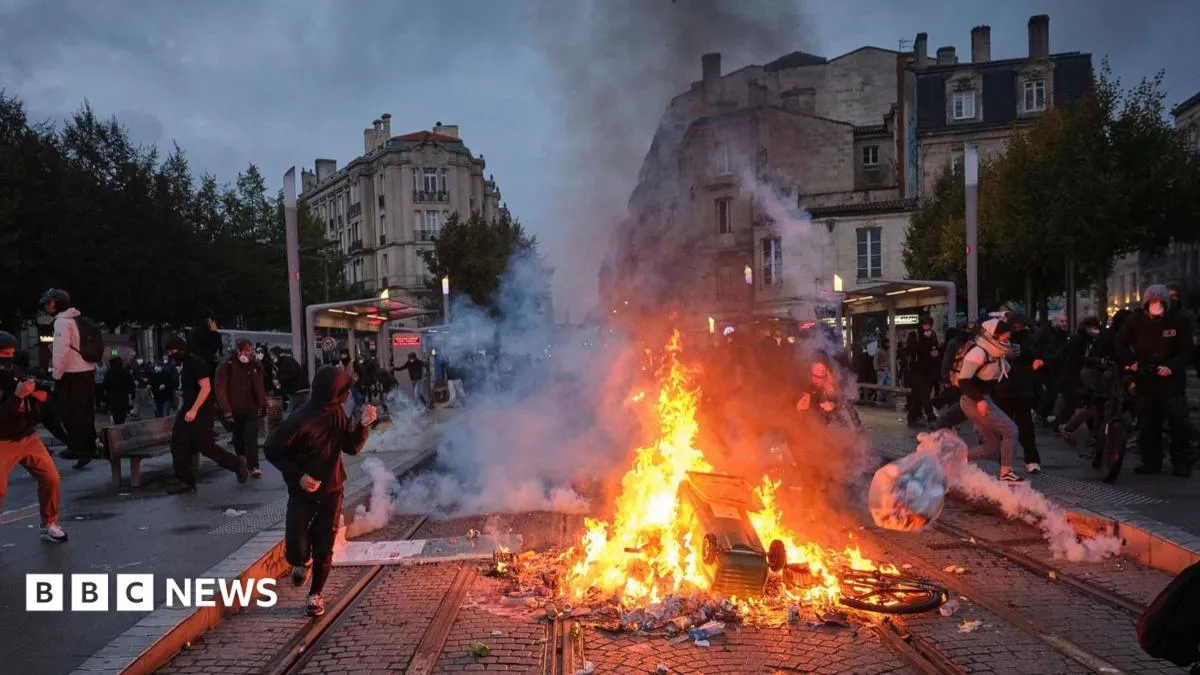 Photo: BBC News
Key points
Nearly 1,000 people were arrested as 410,000 protesters marched across France on 24 October 2026 over living costs and school conditions.
Almost 1,000 people were arrested across France on 24 October 2026 as an estimated 410,000 protesters marched over the cost of living and school conditions, the interior ministry said. Interior Minister Laurent Nuñez said nearly 1,000 arrests had been made by late in the day and that the number would increase. Two people were seriously injured, one in Toulouse and one in Clermont-Ferrand.
The protests mark a escalation of a movement that began in mid-September when secondary school pupils took to the streets over staff shortages, deteriorating school buildings and overcrowded classrooms. The movement has since drawn in teachers, parents and trade unions, growing into a broader challenge to President Emmanuel Macron's government over living costs and public services. Student and union organisations say they will continue mobilising until the government scraps proposed budget measures and funds public services.
Why the protests began
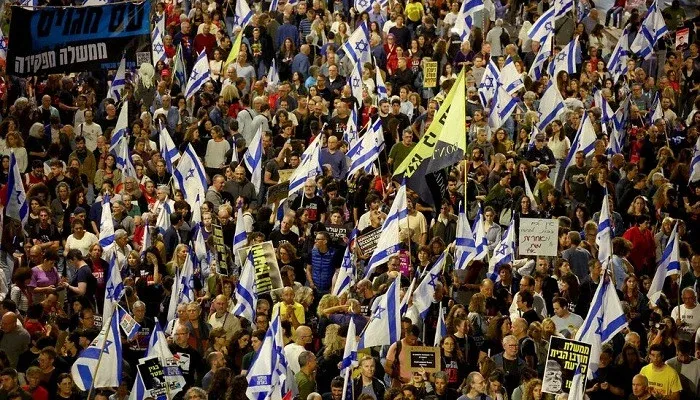
The interior ministry estimated 410,000 people took part in Saturday's demonstrations, while trade unions put the figure at about 800,000. The Paris march alone drew 110,000 people, according to authorities. The turnout came a week after about 550,000 people demonstrated nationwide, which was followed by riots and looting that resulted in more than 2,500 arrests and damage to more than 2,000 shops and businesses.
Authorities deployed 70,000 police officers and gendarmes on 24 October, 10,000 more than the previous week, after officials admitted they had underestimated the extent of unrest on 17 October. Nuñez told police at the National Police Academy in Vincennes to be "absolutely uncompromising" with potential rioters. Macron decreed earlier in the week that only demonstrations organised by recognised trade unions would be permitted.
The daytime marches were largely peaceful, but clashes erupted as rallies ended. In Paris, police fired tear gas and water cannon to disperse protesters near Porte de Vincennes, where an elite unit that usually deals with organised crime and counter-terrorism was deployed. Protesters erected makeshift barricades and pelted officers with projectiles, while police baton-charged masked youths smashing the windows of a car dealership.
Where the numbers came from
In Marseille, rubbish bins were set ablaze and metal sheets used to block streets, with a law enforcement vehicle seen driving through a burning barricade. Several businesses, including two jewellery shops, were looted. In Bordeaux, protesters in dark clothing and face coverings ripped boards from a building to build a barricade. In Lyon, police used tear gas grenades to disperse a crowd gathered in an area deemed off-limits by the local prefecture.
Nuñez said "several thousand radical activists gathered at the rear of the march, including around 500 individuals identified as rioters" in Paris. He said officers faced an extremely elevated level of violence from black-clad "ultra-left" people and blamed far-left activists and organised criminal groups. He reported 135 arrests before the main marches began, with weapons seized including metal balls, lead pellets, fireworks, slingshots, a katana sword and airsoft guns. Paris police later reported 65 arrests in the capital.
The government banned non-union demonstrations and imposed local curfews, including in Lyon, Nice and Lille, where curfews for minors were extended through Monday. Authorities in Paris changed the march route late on Friday to redirect protesters away from the city centre. Amnesty International called the bans "serious restrictions of the right to protest" and warned against a "slide toward authoritarian practices". Hard-left leader Jean-Luc Mélenchon, who attended the Paris march, said "Everything is made to trigger an explosion."
What happens next
Large parts of central Paris resembled a city under lockdown, with businesses shuttering, museums closing and more than 20 metro stations suspended. The Louvre, the Musée d'Orsay and the Paris Opera closed as a preventative measure. Trade associations urged shopkeepers to keep doors closed following damage or looting at thousands of commercial premises across France the previous weekend.
Similar protests took place across Europe on the same day. In Barcelona, more than 100 people were arrested after a student protest descended into what local authorities described as "gratuitous violence". Riot police in Tirana, Albania's capital, fired tear gas to disperse thousands of anti-government demonstrators, and clashes were reported in Brussels. In Milan, hundreds of soldiers alongside police prevented protesters gathering. Around 13,000 people joined a peaceful rally against the National Rally party in Orléans.
Student and labour union organisations have said they will continue mobilising people until the government scraps its proposed budget measures and allocates additional funding to essential public services. A banned protest was expected on Sunday, when Marine Le Pen was set to formally launch her presidential bid at a National Rally conference in Orléans. The presidential election is scheduled for May 2027.
Frequently asked questions
How many people were arrested in the France protests?
Interior Minister Laurent Nuñez said nearly 1,000 people were arrested on 24 October 2026, and that the number would increase. Two people were seriously injured, one in Toulouse and one in Clermont-Ferrand.
How many people took part in the protests?
The interior ministry estimated 410,000 people protested nationwide on 24 October 2026, while trade unions put the figure at about 800,000. The Paris march alone drew 110,000 people, according to authorities.