France arrests 1,800 as cost-of-living protests cause hundreds of millions in damage
More than 1,800 people were arrested across France during Saturday's cost-of-living protests, with about 1,500 shops damaged and losses running to several hundreds of millions of euros.
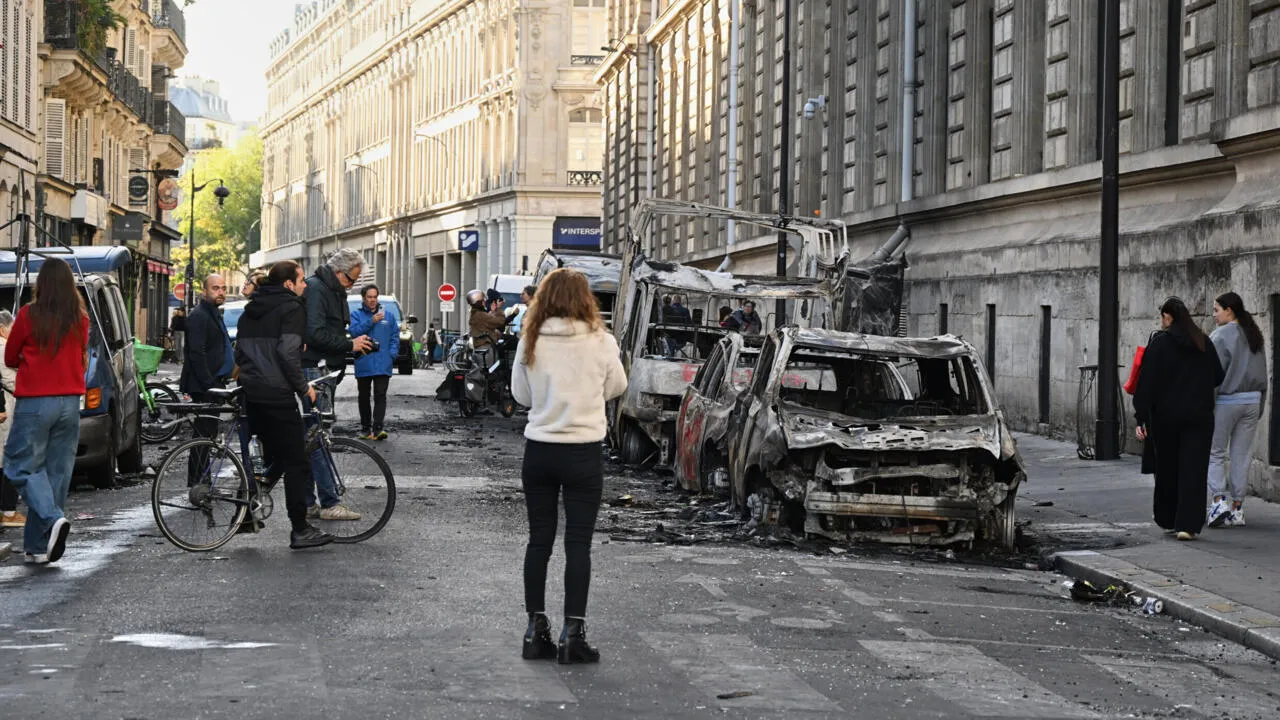 Photo: RFI
Key points
More than 1,800 people were arrested across France during Saturday's cost-of-living protests, which damaged about 1,500 shops and caused losses of several hundreds of millions of euros.
More than 1,800 people were arrested across France during Saturday's cost-of-living protests, Interior Minister Laurent Nunez said on Sunday, as authorities and businesses counted the damage from a day of demonstrations that drew 550,000 people nationwide. Paris police detained a record 855 people in the capital alone, and prosecutors said 517 people remained in custody, including 171 minors.
The unrest went beyond a single march: organisers had called for a "convergence of struggles" linking student grievances over school conditions with former Yellow Vest protesters, against a backdrop of rising fuel prices. That matters because the violence now sits six months before France elects Macron's successor, with ministers blaming "ultra-left" groups and France's high debt limiting the government's ability to offer new spending.
What the arrests tally includes
The interior ministry put nationwide turnout at 550,000, including 110,000 in Paris, while the CGT trade union gave a higher national estimate of 800,000. Paris police reported about 110,000 people at the capital's march. The gap between the official figure and the union's count is the standard dispute over crowd size in France, with each side holding to its own number.
Prosecutors said 517 people remained in custody in Paris, including 171 minors, and those figures were provisional, with arrests continuing until early Sunday. Most arrests in the capital were linked to suspected handling of stolen goods, participation in a group intending to commit violence, and vandalism. Interior Minister Laurent Nunez said investigations were under way to identify perpetrators so they can be brought to justice.
Alexandre Bompard, president of the Retail and Trade Federation, told LCI television that about 1,500 shops and retailers were damaged, many of them looted, and that the cost to the establishments would run to several hundreds of millions of euros. In Paris, deputy mayor Lamia El Aaraje said images of people vandalising businesses and attacking buildings were unacceptable, calling it a level of violence she believed Paris had never seen before.
Where the damage was counted
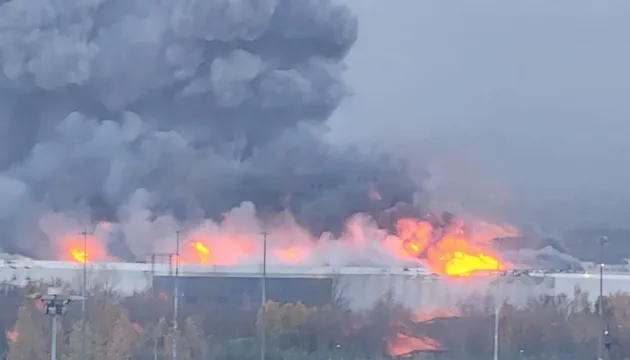
In Limoges, firefighters battled through the night to extinguish a blaze at the 143-year-old town hall, whose roof largely collapsed. Maurice Barate, prefect for the Haute-Vienne department, told LCI that a wild horde deliberately set fire to it. Mayor Guillaume Guérin told BFMTV that for a whole hour there was not a police officer in sight, and that France has a problem with support for law enforcement agencies.
More than 500 police officers, gendarmes and firefighters were injured during the day, Nunez said, while Prime Minister Sébastien Lecornu put the figure at 150 police officers injured and blamed a highly organised, violent far-left group. In Saint-Étienne, a 17-year-old had his hand blown off by a grenade thrown by security forces, and Nunez suspended the use of a type of stun grenade after a 15-year-old lost a hand.
President Emmanuel Macron said on social media that those who smashed things up, attacked prefectures and businesses, and looted town halls would be prosecuted and punished. The Élysée Palace said he would address the nation at 8pm local time on Sunday after a crisis meeting with ministers. Far-right candidate Marine Le Pen accused Jean-Luc Mélenchon's party of having legitimised the violence, while Mélenchon urged demonstrators to stay away from looting.
What the government said next
The protests follow weeks of school blockades by student groups protesting since mid-September, and the CGT backed the day, calling for higher wages and pensions, lower prices and protection of public services. France's high debt and budget deficit limit the government's ability to meet demands for additional spending, and online calls to revive the Yellow Vest movement — which began in 2018 over planned fuel tax increases — have added to government concerns.
Former president François Hollande, who led France between 2012 and 2017, made a rare public statement on Sunday, calling the situation disastrous for civil liberties, for young people and for the state, which he said had not been able to maintain public order everywhere. The mayors of Paris, Marseille and Lyon requested a meeting with Lecornu to discuss the deployment of security services.
Macron's office said a decision would be taken later on Sunday on whether he would leave for planned trips to Kuwait, the United Arab Emirates, Bahrain and Qatar. The televised address at 8pm local time on Sunday is the next fixed point, coming as ministers and trade bodies put numbers on the damage from Saturday's demonstrations.
Frequently asked questions
How many people were arrested in France's cost-of-living protests?
Interior Minister Laurent Nunez said more than 1,800 people were arrested nationwide, including a record 855 in Paris. Prosecutors said 517 people remained in custody in the capital, including 171 minors.
How much damage did the protests cause?
Alexandre Bompard, president of the Retail and Trade Federation, said about 1,500 shops and retailers were damaged, with losses running to several hundreds of millions of euros.
How many people joined the protests?
The interior ministry put nationwide turnout at 550,000, including 110,000 in Paris, while the CGT trade union gave a higher national estimate of 800,000.