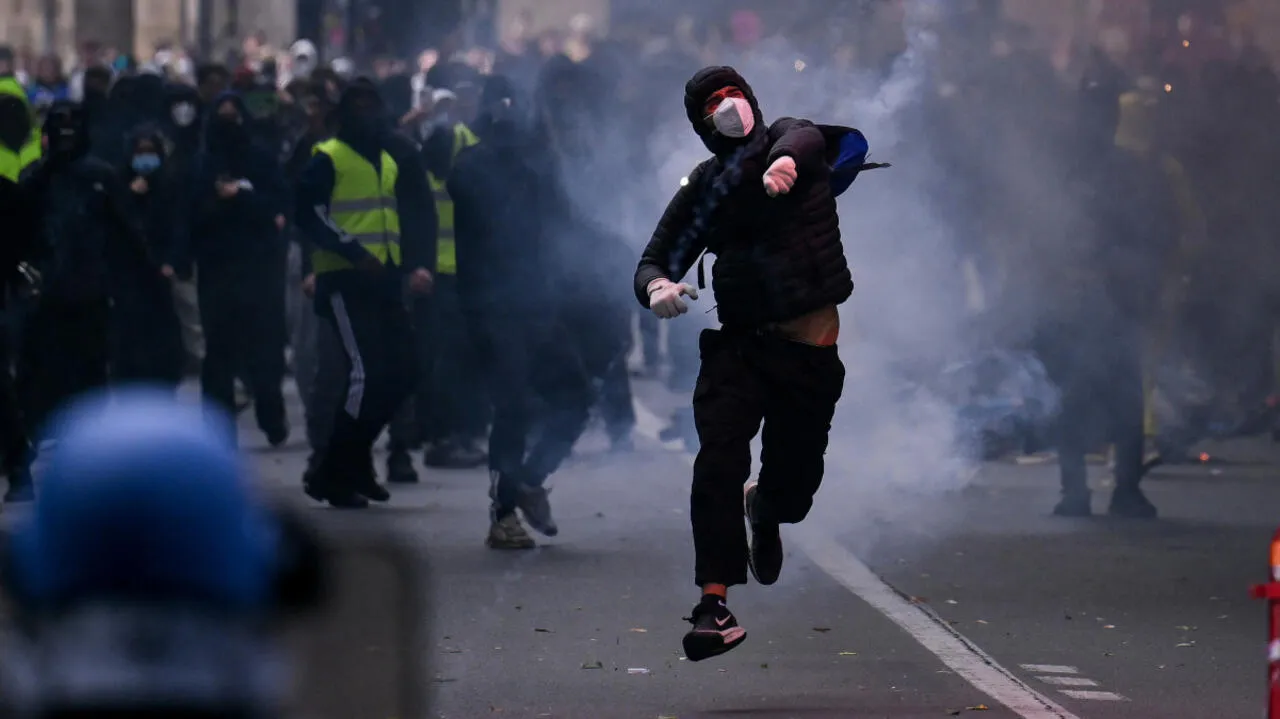
France deploys 70,000 police for third weekend of protests
France deployed 70,000 police and gendarmes on 31 October 2026 for a third consecutive weekend of protests, banning central Paris marches after riots on 17 October that looted hundreds of shops.
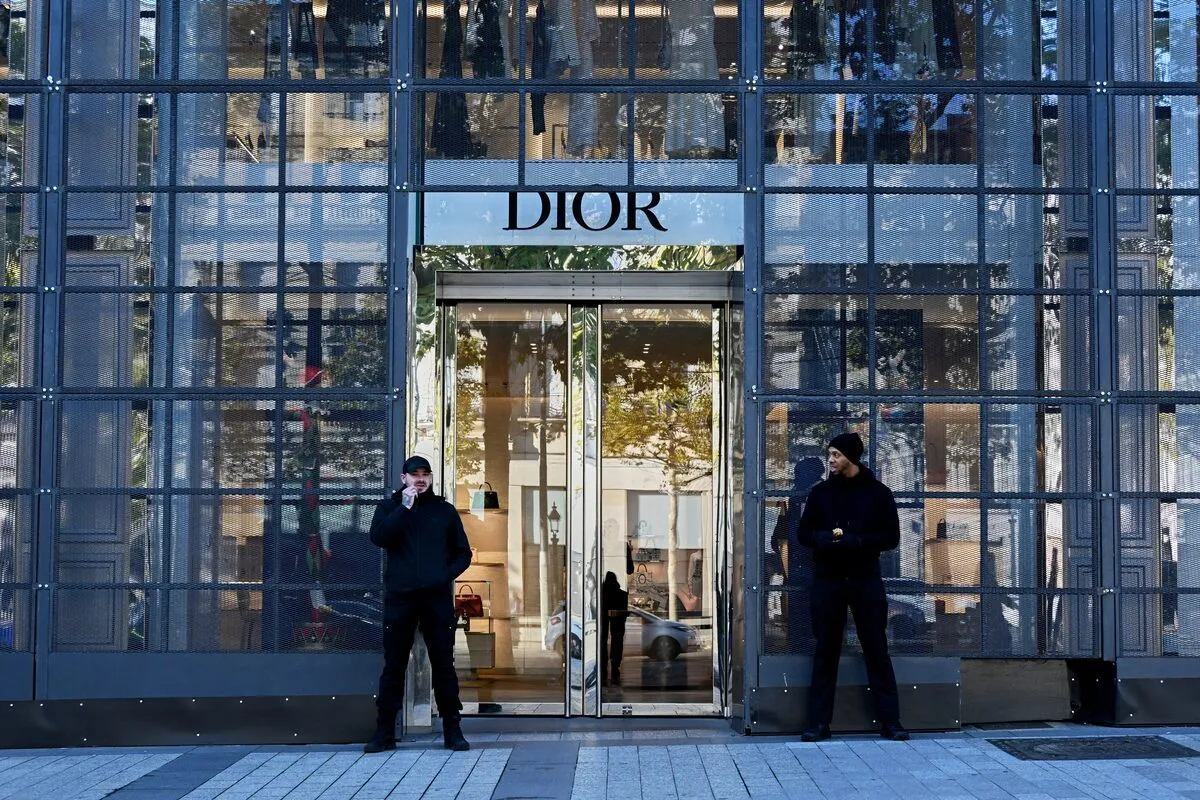 Photo: The Globe and Mail
Key points
France deployed 70,000 police and gendarmes on 31 October 2026 for a third consecutive weekend of protests, banning central Paris marches after riots two weeks earlier.
France deployed 70,000 police and gendarmes on 31 October 2026 for a third consecutive weekend of nationwide protests over living costs and education, with Interior Minister Laurent Nuñez warning of a "very high risk" of disorder, especially after dark on Halloween. Paris police banned central marches, rerouting demonstrations to the capital's outer boulevards.
The scale of the deployment reflects what happened on 17 October, when rioters looted hundreds of shops and hit Place de la République and Les Halles. Authorities counted about 550,000 protesters nationwide that day. The government now treats this weekend as the most likely point for a repeat, with Halloween masks adding a specific concern about demonstrators concealing their identities.
What the security plan changes
Paris police banned union and "yellow vest" marches through the city centre, ordering demonstrations along a single route on the outer boulevards, from Porte de Bagnolet to Porte de Charenton. Unions and student groups challenged the restrictions in court but lost a last-minute legal battle. France's top administrative court confirmed on 31 October 2026 that a march between République and Bastille squares would be banned.
Police barred entry to Place de la République and Les Halles, both hit by rioting and looting on 17 October, from 11 p.m. to 6 a.m. on Saturday and Sunday. Unaccompanied minors face a separate 9 p.m. curfew around the Champs-Élysées. President Emmanuel Macron said on Monday that marches would stay out of city centres to protect shops.
Authorities counted about 550,000 protesters nationwide on 17 October, when rioters looted hundreds of shops, and 410,000 the following Saturday, when rallies were largely peaceful but police made more than 1,300 arrests. Some 150 gatherings were planned across France on 31 October 2026, according to the interior ministry. The movement began with high school students protesting school conditions and broadened into anger over living costs.
Protest counts and arrests
The protests gathered pace in late September as Macron's minority government launched 2027 budget talks. Facing public debt approaching 120% of economic output and rising borrowing costs, the government is under pressure to rein in spending. Students angry at the dilapidated state of schools and a university admissions system seen as unfair joined trade unions and a re-emergent "Yellow Vest" movement demanding action on the cost of living.
A Paris court on Wednesday suspended an earlier curfew on unaccompanied minors as a serious and illegal infringement of freedom of movement. The government is pushing ahead with a law making rioters liable to pay up to €10,000 for damage caused by themselves or groups they are deemed part of. Rights groups and some lawyers say the measure risks undermining the right to peaceful protest.
The unrest has handed a political boost to far-right leader Marine Le Pen, who leads opinion polls ahead of April's presidential election, while potential centrist successors to Macron remain divided. The demonstrations come six months ahead of presidential elections, in a tense political climate with growing support for the far right.
What the restrictions mean legally
Protests are damaging the economy, with data on Friday showing it was already shrinking in the third quarter. The Chamber of Commerce estimates losses to retailers exceed €1 billion ($1.1 billion), with other estimates double that when including uninsured damage and lost revenue. Among shops targeted in previous unrest were outlets of Hermès, Louis Vuitton and Burberry.
The protests have inspired youth-led demonstrations across Europe. In Germany, a youth initiative called "Gen Z regelt" urged protests in some 30 cities, with organizers saying more than 140,000 people had signed up online. In Barcelona, Catalan police planned their highest-level alert after an anonymous TikTok network called Blocus urged new gatherings, following rioting last Saturday that led to about 130 arrests, mostly of minors.
Interior Minister Laurent Nuñez told a news conference earlier in the week that "Everyone is on deck to ensure an extremely firm response to any trouble." He noted laws already allow police to ban face coverings when public order is at risk. The US Embassy advised travellers to avoid areas where demonstrations or large gatherings are planned.
The next dated event is the presidential election in April, which Marine Le Pen currently leads in opinion polls ahead of, while the French government's promises to reform education and ease fuel costs have failed to calm discontent. Some 150 gatherings were planned across France on 31 October 2026, with security restrictions in place through the weekend.
Frequently asked questions
How many police did France deploy for the third weekend of protests?
France deployed 70,000 police and gendarmes on 31 October 2026 for a third consecutive weekend of nationwide protests over living costs and education.
Why did Paris police ban central marches?
Paris police banned union and yellow vest marches through the city centre, ordering demonstrations along outer boulevards from Porte de Bagnolet to Porte de Charenton, after riots and looting on 17 October hit Place de la République and Les Halles.
How many protesters were counted on 17 October?
Authorities counted about 550,000 protesters nationwide on 17 October, when rioters looted hundreds of shops, and 410,000 the following Saturday, when police made more than 1,300 arrests.