Global PC shipments fall 20.1% to 62.7 million units in Q3 2026
Worldwide PC shipments dropped 20.1% to 62.7 million units in the third quarter of 2026 as memory and storage costs surged, IDC estimated on 9 October 2026.
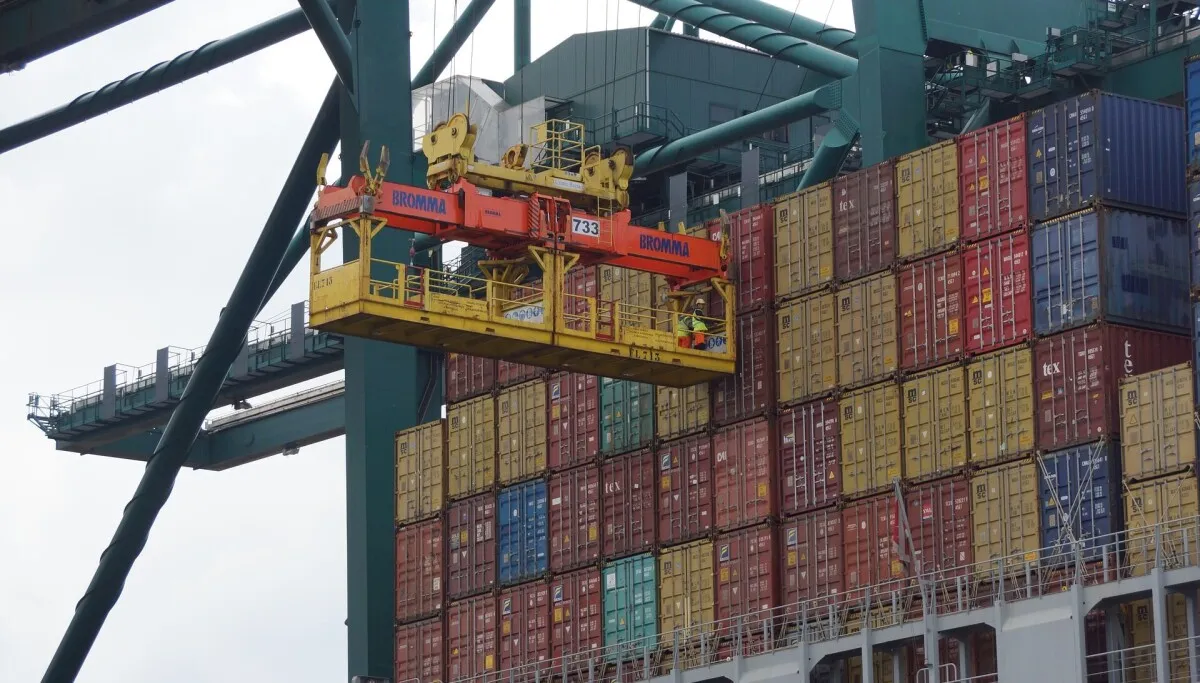 Photo: The Register
Key points
Global PC shipments fell about 20% in the third quarter of 2026 as AI-driven memory shortages pushed component prices sharply higher.
Global PC shipments fell 20.1% in the third quarter of 2026 to 62.7 million units, down from 78.5 million a year earlier, according to IDC's preliminary estimates published on 9 October 2026. Omdia measured a steeper 21.2% year-on-year decline to 58.1 million units. The two research firms disagree on the exact totals but agree the market has worsened sharply, with shipments also 9.1% below the second-quarter figure.
The drop matters because it reverses the growth that manufacturers, distributors, and corporate customers had pulled forward earlier in 2026 to get ahead of anticipated price increases. That rush propped up shipments in the first half of the year but left the industry holding excess inventory and fewer buyers in the third quarter. IDC research director Jitesh Ubrani said the strong first-half pull-in threw off the usual seasonality, where the third quarter is typically larger than the second.
What the numbers show
IDC said shipments fell 9.1% from the second quarter to the third, bucking the usual seasonal pattern in which back-to-school demand lifts the PC market. The second quarter itself showed a 3.8% annual decline, revised down from an initially reported 4.9% fall. Manufacturers and distribution partners secured stock sooner than usual to limit their exposure to rising memory costs, reducing the volume left to order later in the year.
The mechanism behind the decline is a shortage of memory and storage driven by demand from artificial intelligence data centres. Omdia estimates that DRAM and SSDs now account for nearly 40% of a PC's component costs, up from around 15% previously, after more than fourfold price increases. Shortages of processors, graphics cards, and other integrated circuits add further pressure on manufacturers' costs.
TrendForce, in a report released the week of 9 October 2026, found that 68% of the bill of materials for a mainstream notebook with a manufacturer's suggested retail price of US$900 was made up of CPU, DRAM, and SSD costs in the third quarter of 2026. TrendForce expects DRAM supply to stay tight next year because of artificial intelligence demand, while NAND Flash constraints ease in the second half of 2027.
Why memory costs drove the fall
Lenovo retained its position as the world's largest PC vendor, shipping 14.9 million units, though IDC estimates that represents a 22.6% decline from a year earlier. HP fared worse, with shipments plunging 30.9% to 10.3 million units. Dell recorded a 25% drop to 7.6 million units. ASUS, in fifth place with 5.5 million shipments, recorded an 8.6% decrease, the smallest decline among the top five vendors.
Where the decline hit hardest
Omdia expects global PC shipments to fall another 24% year-on-year in the fourth quarter of 2026, followed by a further 7% decline across 2027. TrendForce projects notebook shipments will decline between low- and high-single digits in 2027, depending on how much of the rising component costs manufacturers pass on to consumers. Higher retail prices could extend replacement cycles further.
TrendForce said brands in 2027 will be unlikely to maintain pricing, specifications, and profitability simultaneously, choosing between raising retail prices and risking weaker demand, absorbing increases at the expense of gross margins, or reducing specifications. It also estimates China's share of global notebook production will rise from 76% in 2025 to 79% in 2026, potentially exceeding 80% in 2027 if tariff pressures do not increase further.
Frequently asked questions
How much did global PC shipments fall in the third quarter of 2026?
IDC estimated a 20.1% year-on-year decline to 62.7 million units, down from 78.5 million a year earlier. Omdia measured a 21.2% decline to 58.1 million units in the same quarter.
Why are PC prices rising?
Demand for memory and storage from AI data centres has created a shortage. Omdia estimates DRAM and SSDs now account for nearly 40% of a PC's component costs, up from around 15%.
What happens to PC shipments in 2027?
Omdia expects global shipments to fall another 24% in the fourth quarter of 2026 and a further 7% across 2027. TrendForce projects notebook shipments will decline between low- and high-single digits in 2027.
How this story was checked
- Fact-checked against 3 cited pages. 88 figures, dates and quotations in this story were found on the pages it cites; 2 passages that could not be checked were cut before publication.
- Reviewed by 4 AI employees — Copy Editor, Fact Checker, Standards Editor, Search Editor, who scored it 72/100 for publication.
Pages checked (3 of 3)
- theregister.comread and checked
- macrumors.comread and checked
- 9to5mac.comread and checked
Written by Kaer from public reporting. Checked 10 October 2026.


