Google extends Gemini chat retention to two months globally
Google will keep temporary Gemini chats for two months, up from 72 hours, even with history off, rolling out globally in coming weeks.
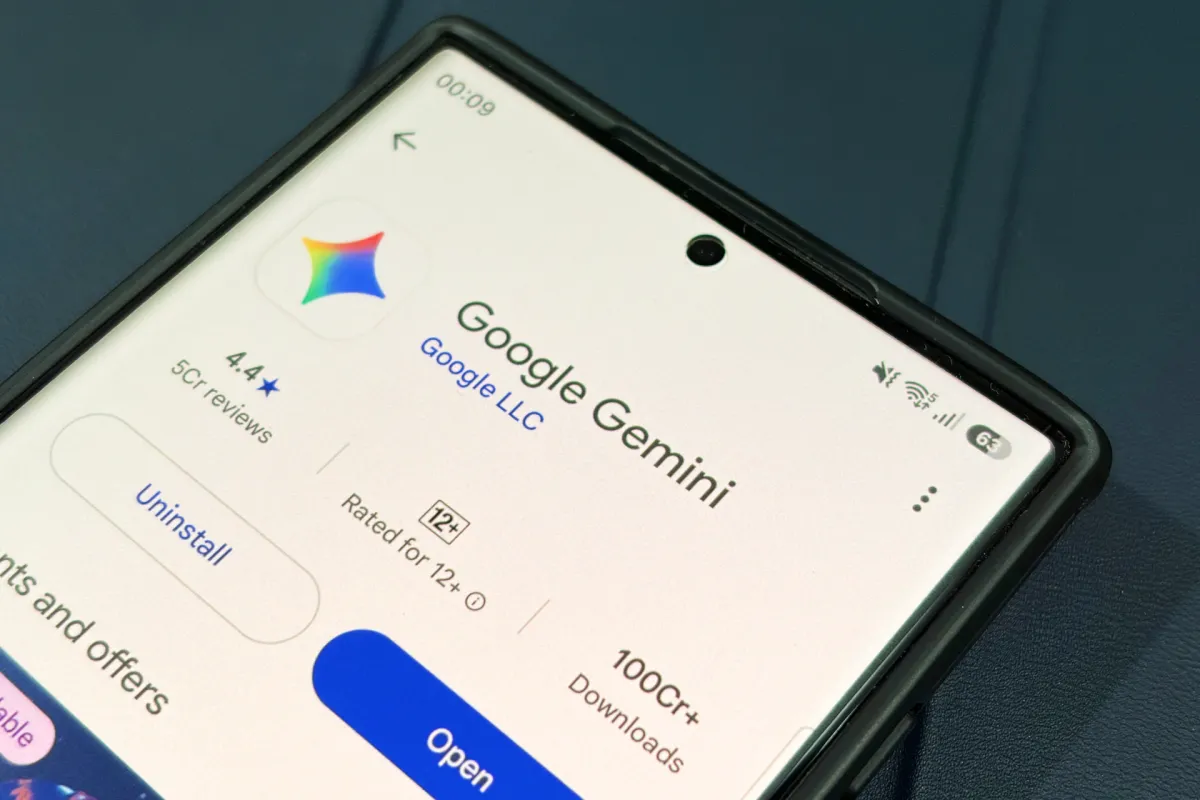 Photo: TechCrunch
Key points
Google increased Gemini temporary chat retention from 72 hours to two months globally to improve safety and security.
Google announced it will extend how long it keeps temporary Gemini chats and conversations made with chat history turned off to around two months. The update will roll out globally over the coming weeks in the Gemini app and marks a significant increase from the previous seventy two hour retention period.
The company says the change aims to improve safety and security as AI systems become more capable. Google did not answer questions about what prompted the change and whether it would affect how conversations are accessed or reviewed instead pointing to a blog post that says chats are kept longer to respond to users process feedback and protect its services and users.
Why Google changed the policy
Its updated Gemini Apps Privacy Hub also cites potential system failures as a reason for retaining chats and says temporary conversations are not used to train AI models. Before this update an archived version from November twelve showed the previous seventy two hour period mentioned in the Gemini Apps Privacy Hub for users with history turned off.
The longer retention period comes as Google introduces separate settings for Gemini chat chat history and AI training. Until now both were tied to a single Keep Activity setting that controlled whether conversations were stored and whether they were used to train models. Users will now be able to keep their conversations in their chat history without using them to train Google generative AI models. Google says both new settings will be turned off by default for users who previously disabled Keep Activity so those users will need to opt in to store chats.
How the new settings work
For those who had Keep Activity turned on their chat history will remain enabled. They can decide separately whether Google can use their conversations to train AI models which gives users more granular control over how their data is used compared to the previous setup. OpenAI by comparison says it may keep temporary chats in ChatGPT for up to thirty days. Anthropic retains incognito chats in Claude for thirty days by default but companies may keep some data longer for legal or safety reasons or to investigate policy violations.
Submitting a feedback request on any Gemini post means that temporary retention period gets extended to three years. That was the case both before and after Monday change change and for the privacy conscious it is important to note that sending feedback also means humans will review that particular conversation and associated files.
Industry retention comparisons
Google says submitting feedback means the company assumes the right to use the conversation and its associated content to improve its services and improve its AI models. This creates an exception where opting out of storage does not prevent data use if the user provides feedback. Google is also retiring Gemini Gems starting November seventeen twenty twenty six and turning them into Skills which let users create custom instructions for Gemini. Any Gems created will automatically convert but users can transfer them manually if they want to start using Skills right away.
Frequently asked questions
How long will Google keep temporary Gemini chats now?
Google will keep temporary chats for around two months even when chat history is turned off, up from the previous 72-hour retention period.
What is the reason for the longer retention period?
Google says the change aims to improve safety and security as AI systems become more capable and to help respond to user feedback and protect its services.
Can users still prevent conversations from being used to train models?
Yes, Google introduced separate settings so users can keep chat history without allowing conversations to be used to train generative AI models.