Guterres warns of unimaginable consequences from Iran-Gulf escalation
UN chief Antonio Guterres warned on 26 October 2026 of unimaginable consequences from any military escalation involving Iran and Gulf nations, as Egypt said it was in daily contact with Tehran and Washington.
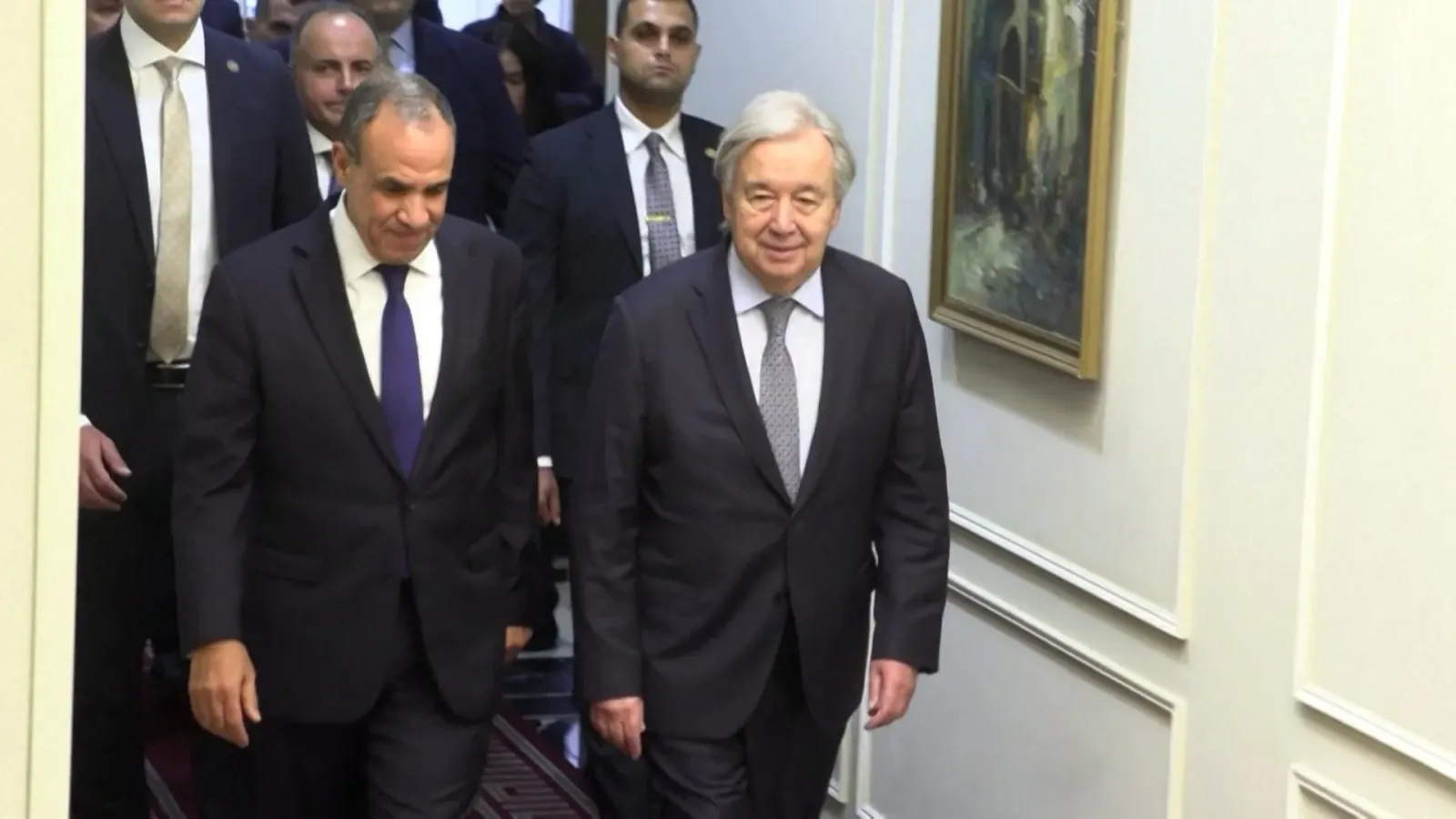 Photo: Al Jazeera
Key points
UN chief Antonio Guterres warned on 26 October 2026 of unimaginable consequences from any military escalation involving Iran and Gulf nations.
UN chief Antonio Guterres warned on 26 October 2026 of unimaginable consequences from any military escalation involving Iran and Gulf nations. Egypt's foreign minister said Cairo was in daily contact with Tehran, Washington and regional partners to prevent another full-scale military clash, as high-level delegations met in Tehran to try to avert renewed fighting.
The warning matters because it comes as multiple diplomatic tracks run at once, and as satellite imagery shows Iran rebuilding facilities struck in earlier attacks. Unlike earlier phases, regional powers are now meeting directly with Iranian officials while the United States and Iran continue indirect negotiations, raising the stakes of any miscalculation in the Gulf.
Egypt in daily contact with parties
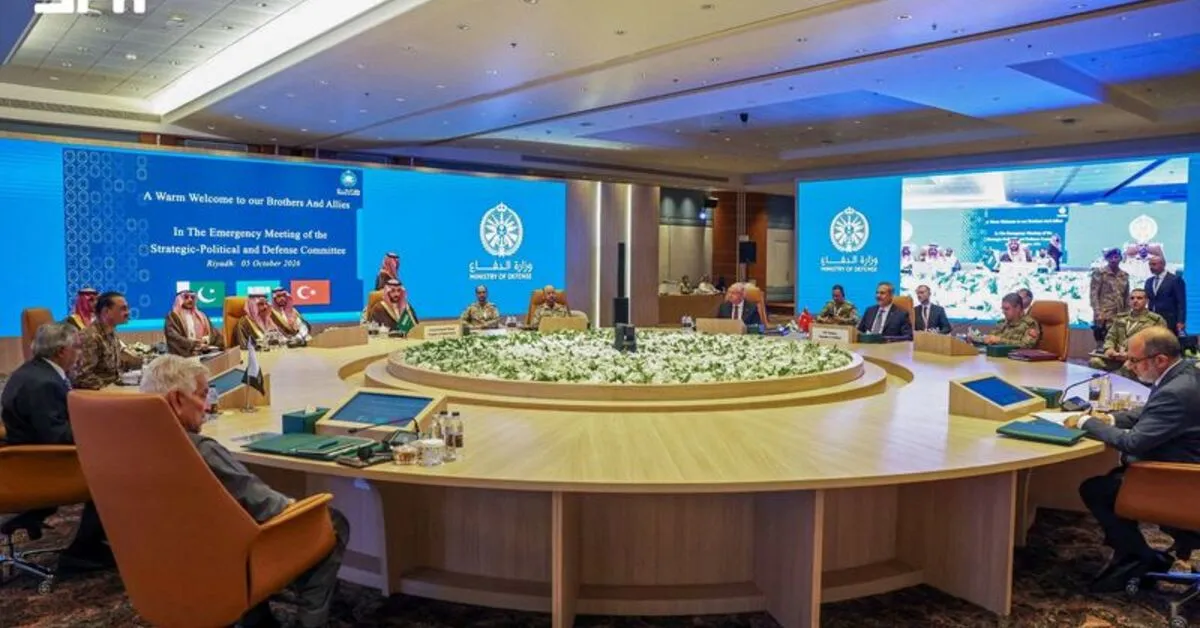
Egypt's foreign minister said Cairo was in daily contact with Tehran, Washington and regional partners to prevent another full-scale military clash, according to a page published on 26 October 2026. Guterres described the consequences of any military escalation involving Iran and Gulf nations as unimaginable, warning of devastating results. High-level delegations from Saudi Arabia, Pakistan and Turkey were in Tehran for meetings with Iranian authorities to try to avert renewed fighting, Iran's foreign ministry said. Saudi defence minister Khalid bin Salman, Pakistani army chief Field Marshal Asim Munir and Ibrahim Kalin, head of Turkey's intelligence service, met Iran's top security officials.
Regional delegations meet in Tehran
Iran and the three countries party to the Mecca defence pact agreed to continue talks after a first meeting in Tehran, Iranian state television reported. Iranian foreign ministry spokesperson Esmail Baghaei told reporters the agenda was not set but the talks would address the most pressing threats to regional security.
Iran is accelerating efforts to rebuild its nuclear and ballistic missile programmes despite US and Israeli strikes on its facilities, with satellite imagery showing construction and fortification work at sensitive sites. Retired US four-star General Jack Keane said Iran had not abandoned its nuclear ambitions, telling Fox News the regime remained committed to restoring its capabilities.
Iran rebuilds nuclear facilities
Satellite imagery has documented activity at several facilities, including the Pickaxe Mountain complex near the Natanz nuclear site, an underground facility believed to be buried more than 300 feet below the surface. Images analysed by the Institute for Science and International Security showed Tehran constructed makeshift earth mounds around the Pickaxe Mountain and Natanz sites to complicate potential ground raids.
The International Atomic Energy Agency has called for urgent action to address its lack of access to Iranian nuclear facilities and insufficient information about nuclear material at the sites. In its latest quarterly report, the UN nuclear watchdog said the absence of access and information raised proliferation concerns, particularly regarding the Isfahan facility.
Watchdog lacks access to sites
IAEA director general Rafael Grossi called for the longstanding disputes to be resolved through a durable, verifiable diplomatic agreement. Tehran has insisted that inspections of sites damaged in military attacks must follow specially agreed procedures. Iran suspended cooperation with the agency following US and Israeli strikes on its nuclear facilities in June 2025, though it later indicated inspectors could return.
Iranian foreign ministry spokesperson Esmail Baghaei said indirect negotiations with the United States continue. Qatari mediators had travelled to Tehran in a trip coordinated alongside the US, according to a regional official. Iranian President Masoud Pezeshkian said insecurity created by the United States in the Middle East was harming the entire world.
Frequently asked questions
What did Guterres warn about on 26 October 2026?
UN chief Antonio Guterres warned of unimaginable consequences from any military escalation involving Iran and Gulf nations, describing the potential results as devastating.
Which countries met Iranian officials in Tehran?
High-level delegations from Saudi Arabia, Pakistan and Turkey met Iranian authorities in Tehran to try to avert renewed fighting, and agreed to continue talks after a first meeting.
What has the IAEA said about Iran's nuclear facilities?
The International Atomic Energy Agency said its lack of access to Iranian nuclear facilities and insufficient information about nuclear material raised proliferation concerns, particularly regarding the Isfahan facility.