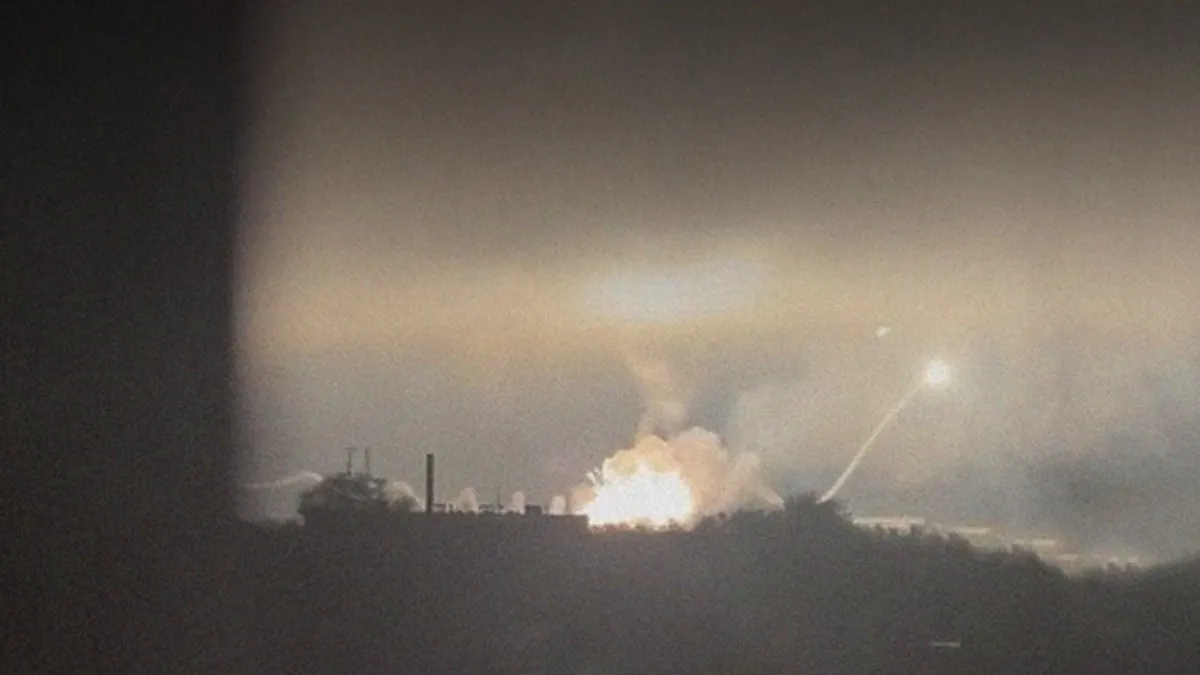
Houthis advance to 60km from Aden as government forces retreat
Houthi fighters seized two Lahj districts and reached 60km from Aden on 15 November, as the Saudi-backed government withdrew from the Bab al-Mandab strait.
 Photo: The Straits Times
Key points
Houthi forces advanced to within 60km of Aden, seizing two districts and forcing the government to withdraw from the Bab al-Mandab strait.
Yemen's Houthis have advanced to about 60km from Aden, the interim seat of the internationally recognised government, military and government sources said on 15 November. Four military sources within government forces and two government sources said the Houthis had seized control of the Al-Maqatirah and Al-Madaribah districts and were advancing towards Aden. They said the Houthis were positioned at the Al-Kharaz camp in Al-Madaribah, 60km from the city.
The advance marks a significant setback for the Saudi-backed government, which on 15 November announced a redeployment of its forces from areas near the Bab al-Mandab strait, completing their withdrawal from there. The troops were redeployed to reinforce forces "where current circumstances require", with securing Aden and nearby provinces the priority. The retreat leaves the strategic strait, a vital gateway for global trade between Asia and Europe, in Houthi control.
Government withdraws from strait
Military officials said on 13 November that government forces had begun erecting sandbag defences and digging tunnels around Aden as the Houthis pressed southwards. The Houthis have made gains by taking control of strategic positions in the Maqatera district and large parts of Al-Madhariba and Al-Arah, the largest districts in Lahj province in southwestern Yemen. Along the road between Aden and Lahj, dozens of buildings lie destroyed following fierce battles.
Aden faces renewed danger after repeated Houthi attacks in recent weeks, including an assault on 15 October that targeted the presidential palace and left four people dead, according to government military sources. The Houthis previously launched an unsuccessful bid to seize Aden early in the war in 2015. The government has been based in Aden since it was driven from Sanaa by the Houthis in 2014.
The Houthis, who control most of northwest Yemen, the country's most populous region, have been battling the Saudi-backed government for territory for more than a decade. A 2022 truce that had paused fighting fell apart in July, restarting hostilities. Since then, the Houthis have expanded their control along Yemen's western coastline, tightening their grip over the Bab al-Mandab strait.
Aden under renewed threat
On 15 November, a Houthi missile attack killed eight people near Aden, sources said. Twelve others were wounded in the attack on a checkpoint in Lahj province, according to military and government sources. Dozens of people were killed in fighting last week, according to sources on both sides. The United Nations says more than 1,600 people have been killed and over 300,000 displaced since fighting resumed.
Even as fighting raged, the Houthis on 15 November released 600 members of government forces held since hostilities resumed in July, according to the International Committee of the Red Cross. The Houthis called the release a humanitarian initiative and accused their adversaries of failing to make reciprocal moves. They said it was "the largest unilateral prisoner release and pardon operation in the history of the conflict".
Repeated attempts by the government to retake Yemen's western coast have failed, leaving both the country's southern shoreline and Aden increasingly vulnerable to Houthi advances. "Government forces have remained largely trapped in a defensive posture, unable to open new fronts, stretch Houthi resources, or regain the initiative," said Mohammed al-Basha of the US-based risk advisory Basha Report. He said the Houthis were "dictating the pace and direction of the war".
Prisoner release and casualties
The UN's refugee agency said on 15 November it was "gravely concerned" by reports of clashes around the Kharaz refugee camp in Lahj province, adding that 9,600 refugees were at risk. The fighting was constraining the agency's ability to provide protection and humanitarian assistance. The Southern Armed Forces, allied with the government, said in a statement they were "redeploying" to protect Aden, citing recent battlefield developments and "threats targeting" the city.
Analysts said the momentum in the civil war was tilting toward the Iran-backed Houthis. "The Houthis are very determined to go to Aden," said Ahmed Nagi, a senior analyst for Yemen at the International Crisis Group. "They don't want to see any area controlled by the government or the Saudi side, so they want to take over everything at this moment." Government forces said they would "continue operations aimed at breaking the siege of Taiz".
Frequently asked questions
How far are the Houthis from Aden?
Houthi fighters were positioned at the Al-Kharaz camp in Al-Madaribah, about 60km from Aden city, according to military and government sources on 15 November.
Why did the government withdraw from Bab al-Mandab?
The Saudi-backed government announced a redeployment of forces from areas near the Bab al-Mandab strait to reinforce troops "where current circumstances require", with securing Aden and nearby provinces the priority.
What was the Houthi prisoner release?
On 15 November, the Houthis released 600 members of government forces held since hostilities resumed in July, according to the International Committee of the Red Cross. The Houthis called it the largest unilateral prisoner release in the conflict.