Hungary releases secret police files, exposing 60,000 informant names
On 4 November, Hungary made about 60,000 communist-era secret police informant names public online, fulfilling a campaign promise 36 years after regime change.
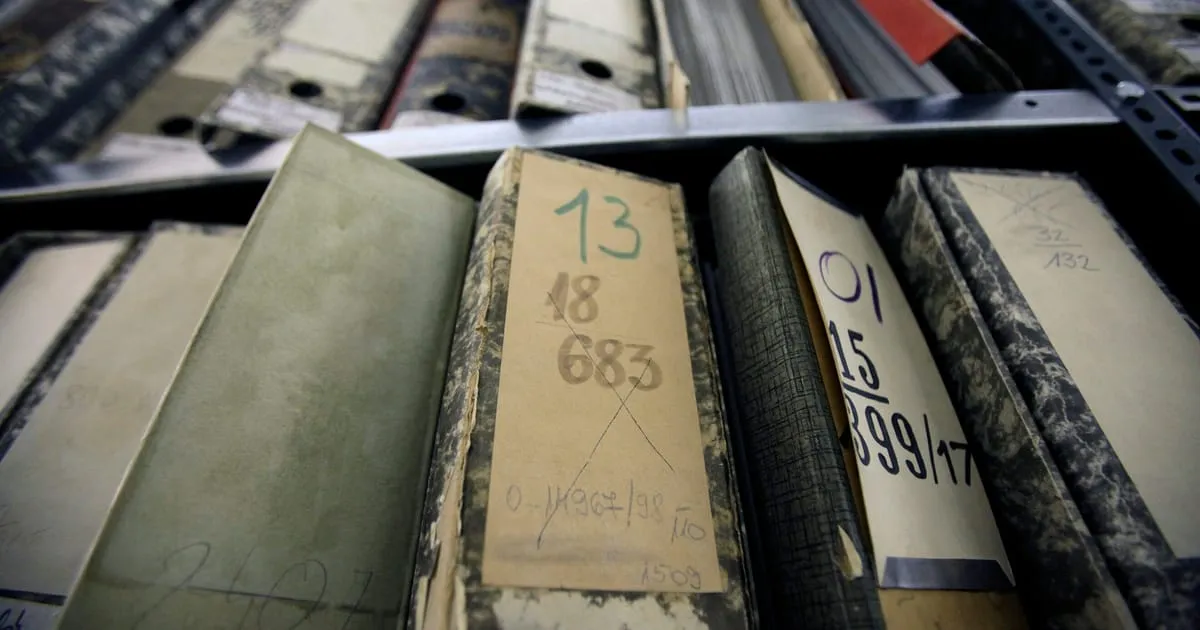 Photo: POLITICO
Key points
Hungary released about 60,000 communist-era secret police informant names online, fulfilling a campaign promise and opening decades-old files to public scrutiny.
Hungary on 4 November made about 60,000 names from communist-era secret police files public in a searchable online database, fulfilling a campaign promise by Prime Minister Péter Magyar. The release came exactly 70 years after Soviet tanks entered Budapest to crush the Hungarian uprising that had begun on 23 October 1956.
A promise kept
The release follows decades of debate and repeated delays. Although communism ended in Hungary in 1989, successive governments had stalled opening the files, with critics blaming reluctance to implicate public figures. Until now, apart from researchers, citizens could apply for access only to their own files or those of close relatives.
Magyar urged citizens to "treat this long overdue publication of documents with dignity and humanity" as "many families will now face difficult information" regarding their personal history. Historian Laszlo Eorsi from the 1956 Institute Foundation called the move "better late than never," saying it "could cause some hysteria in the coming months."
The informant network
The files reveal the names of the socialist regime's informant network, which relied on a vast network of collaborators to monitor citizens. Between 1956 and 1989, about 60,000 secret informants were registered in Hungary, according to the Historical Archives of the Hungarian State Security. Informants were often recruited through blackmail, threats or rewards, and they watched friends, family members, neighbors and colleagues, reporting any sign of anti-regime sentiment or Western influence. Their reports often led to arrests and interrogations. Some clandestine meetings took place in central Budapest apartments known as "K-apartments."
The archives are incomplete. Many files were destroyed during the 1956 uprising or hidden during the transition to democracy. Historians estimate authorities recruited some 150,000 informants, but records for about two-thirds of them no longer exist. Culture Minister Zoltán Tarr said he hoped the publishing of the files would "enable a long-term reconciliation by revealing the secrets of the past."
What remains sealed
Former Prime Minister Viktor Orbán, rumored to have been a secret police member, said in a Facebook statement on 4 November that he had refused any cooperation when approached at the beginning of his mandatory military service. He protested that he, his wife and colleagues were "under constant surveillance" and were "targets of the state party's secret investigations." His name did not appear in the digital database.
Frequently asked questions
What did Hungary release on 4 November?
Hungary made about 60,000 names from communist-era secret police files public in a searchable online database, fulfilling a campaign promise by Prime Minister Péter Magyar.
Why is the release significant?
It marks the first time citizens can search the files freely, 36 years after the regime change, and coincides with the 70th anniversary of the 1956 uprising.