IAEA never inspected Iran's Isfahan enrichment plant, report says
The UN nuclear watchdog says it is increasingly concerned about Iran's Isfahan Fuel Enrichment Plant, which it has never inspected since it was declared in June 2025.
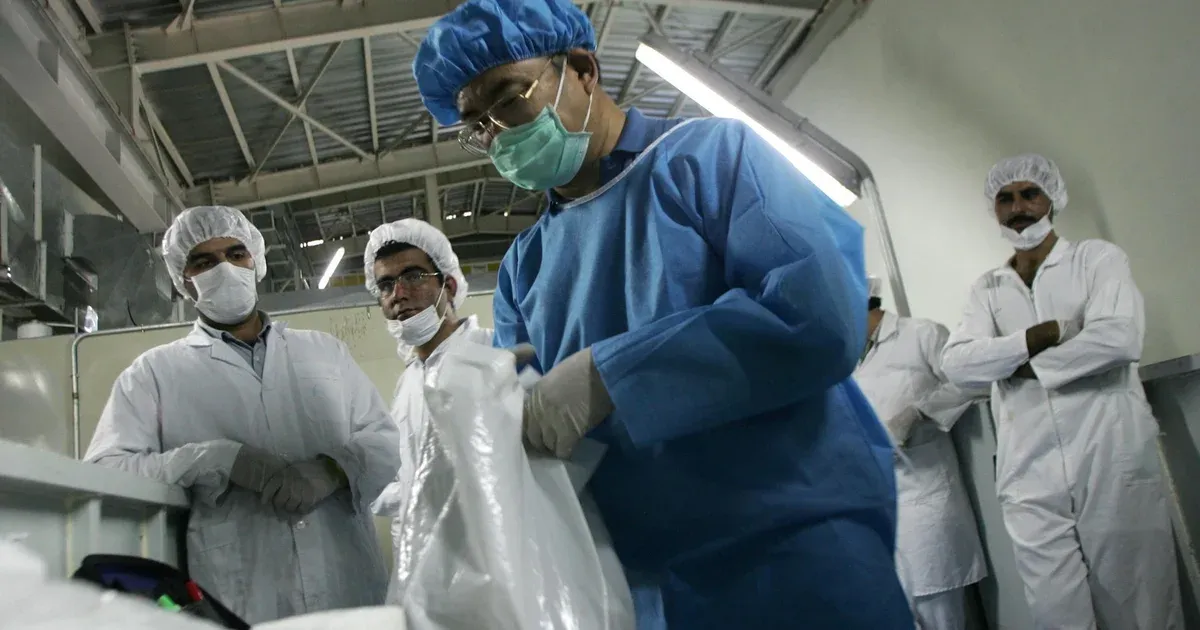 Photo: CBS News
Key points
The IAEA is increasingly concerned about Iran's Isfahan enrichment plant, which it has never inspected since it was declared in June 2025.
The United Nations nuclear watchdog said on Friday it is "increasingly concerned" about its lack of access to an underground Iranian uranium enrichment facility that Tehran has acknowledged exists but refused to allow inspectors to visit, according to a confidential report reviewed by this news organization. The International Atomic Energy Agency (IAEA) said in its quarterly report to member states that it does not know the Isfahan Fuel Enrichment Plant's exact location, its status for safeguards purposes, or whether it contains nuclear material. The agency first learned of the plant on 12 June 2025, a day before Israel began attacking Iran's nuclear sites, with the US joining later that month.
What the report says
The IAEA asked Iran to allow inspectors to visit the plant in February, but Tehran refused, telling the agency that "conditions resulting from acts of aggression and the continuation of threats have created a situation in which the normal implementation of safeguards is legally untenable and materially impracticable." The refusal came after the US and Israel struck Iranian nuclear sites, including Isfahan, with a wave of missile strikes in June 2025.
In a September report, the IAEA said it had observed in satellite imagery "regular vehicular activity around the entrance to the tunnel complex at Isfahan," where the agency believes some of Iran's roughly 900-pound highly-enriched uranium stockpile was buried by the June 2025 strikes. The IAEA requested access "as soon as possible," but Tehran has continued to refuse, citing the attacks on its territory.
Iran told the IAEA this month that discussions on resuming inspections cannot proceed amid "a series of persistent, explicit, and public threats by the President of the United States of America … to commit further acts of armed aggression" against Iran "particularly targeting its nuclear facilities." Iran said the situation won't resolve "until the root causes of the present situation are addressed and the essential requirements for normal safeguards implementation are restored."
Iran's refusal and threats
The IAEA described the lack of information about Iran's nuclear material and access to facilities as "a matter of serious proliferation concern" that "needs to be rectified with the utmost urgency." The agency noted it is "fully prepared to resume its safeguards activities in Iran at short notice." Iran reaffirmed its "firm commitment to resume full implementation of its safeguards obligations as soon as the relevant legal and actual conditions permit it."
According to the IAEA, Iran maintains a stockpile of 440.9 kilograms of uranium enriched up to 60% purity, a short, technical step away from weapons-grade levels of 90%. That stockpile could allow Iran to build as many as 10 nuclear bombs, should it decide to weaponize its program, IAEA Director General Rafael Grossi warned in an interview with the AP last year. He added that it doesn't mean Iran has such a weapon.
Stockpile and inspections
Iran also expressed concern in a letter to the IAEA about a recent US offer of a reward of up to $20 million in exchange for information on Iran's nuclear program. Tehran stressed the importance of maintaining the "confidentiality" of the IAEA's activities and the need to ensure that information on Iran's nuclear program is not "disclosed, misused or exploited." The IAEA encouraged Iran to "consider technical and gradual measures" to allow for a return of inspectors.
The IAEA's latest calls come almost a year after it made a similar appeal to Iran. At the time it said it had only inspected some of the 13 nuclear facilities that were "unaffected" by the attacks and none of the seven that were. The US and Israel said they attacked Iran's nuclear sites to prevent it developing nuclear weapons, something Iran has consistently denied seeking, saying its nuclear programme is for peaceful civilian purposes only.
The IAEA urged Tehran to disclose the condition of its enrichment facilities and account for its stockpile of highly enriched uranium, some of which is close to weapons grade. It also called for inspectors to return to the damaged sites and verify the stockpile. The agency described the lack of access and information as a "serious proliferation concern" that required urgent action. Diplomats cited believe the enrichment plant is inside the tunnel network at Isfahan, but the agency has been unable to verify that claim.
Frequently asked questions
What is the Isfahan Fuel Enrichment Plant?
It is an underground uranium enrichment facility in Iran that Tehran declared on 12 June 2025, a day before Israel began attacking Iran's nuclear sites. The IAEA has never been able to inspect it and does not know its exact location or whether it contains nuclear material.
Why has Iran refused IAEA access to the plant?
Iran told the IAEA that monitoring talks cannot resume amid military threats from the US and Israel, citing "a series of persistent, explicit, and public threats by the President of the United States of America … to commit further acts of armed aggression" against Iran, particularly targeting its nuclear facilities.
How much enriched uranium does Iran have?
According to the IAEA, Iran maintains a stockpile of 440.9 kilograms of uranium enriched up to 60% purity, a short technical step away from weapons-grade levels of 90%.