Instagram tests 90-minute videos in US to challenge YouTube
Instagram began testing horizontal videos up to 90 minutes long in the United States on 26 October 2026, expanding a format already in testing with creators in Brazil.
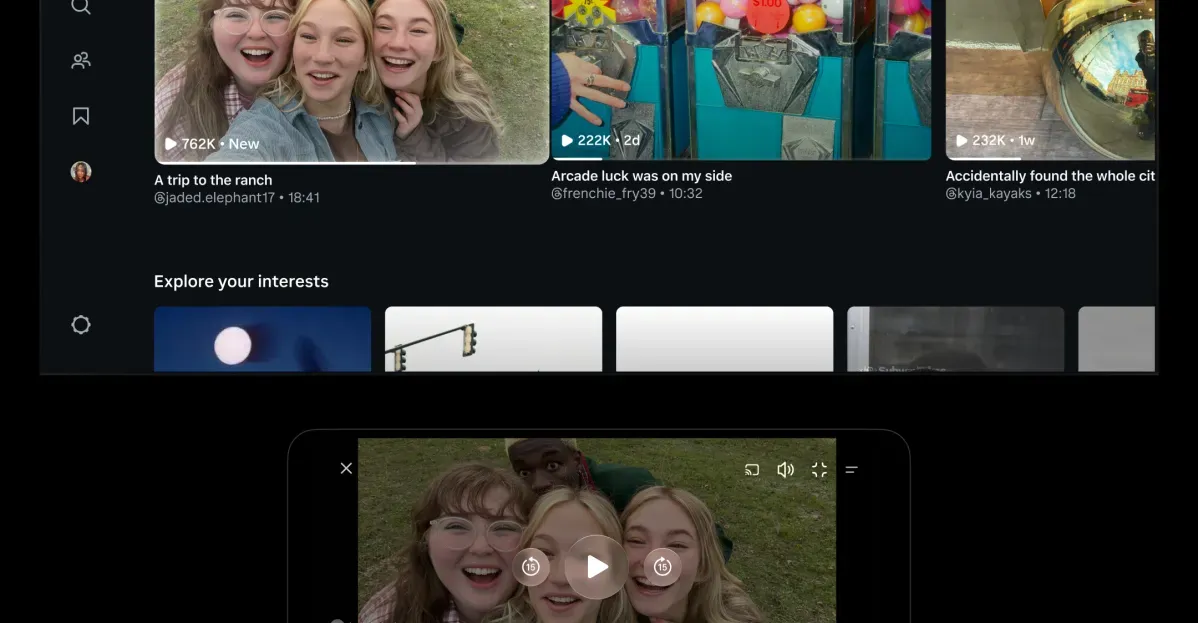 Photo: The Verge
Key points
Instagram began testing horizontal videos up to 90 minutes long in the United States on 26 October 2026, expanding a format already in testing with creators in Brazil.
Instagram began testing horizontal videos up to 90 minutes long in the United States on 26 October 2026, expanding a format the platform calls "Features" that was already in testing with some creators in Brazil. Instagram spokesperson Megan Buckley confirmed the US test is small. The format lets creators publish longform, widescreen video directly in the app, a category YouTube has dominated for years.
The reversal matters because Instagram's head, Adam Mosseri, had opposed longform video for years, arguing it would pull users away from the short posts that drive sharing between friends. Now the company wants short and long video to reinforce each other, keeping viewers inside Instagram rather than sending them to YouTube for a creator's full episode. The test also follows Instagram's TV app launch late last year, which put Reels on television screens.
Why Instagram reversed course on longform
Mosseri explained his earlier resistance in a six-and-a-half-minute video with VP of product Tessa Lyons, saying he worried longform video would make Instagram less about connecting with friends. He said watching a long video means "it's a lot of Reels, photos, and carousels that you might not have sent to a friend," which translates into fewer likes and shares. Lyons, who has advocated for the change, argued users should be able to go deeper with creators they love without leaving Instagram.
The mechanism Instagram is betting on is symbiosis between formats: a viewer who catches a few clips of a podcast or comedy special as Reels may then watch the full episode on a television. Instagram is testing "Clips as Reels," which lets creators cut their long video into Reels that link back to the full version, and viewers can save the longer video to send to the Instagram app on their TV. The goal is to keep both short and long viewing inside one platform.
The money question is unresolved. YouTube pays creators enrolled in its Partner Program 55% of the ad revenue their videos earn, and the platform said last year it paid more than $100 billion to creators, artists and media companies over the previous four years. Instagram does not typically pay per view; Mosseri said on the Colin and Samir Show that Instagram primarily pays creators through brands, with a small performance-based program that spends more than it earns back. A Meta spokesperson said it is too early to share a long-term monetization model but is exploring performance-based incentives.
How creators get paid on each platform
Instagram and TikTok have struggled to match YouTube's advertising model on short-form video, which offers less room to place ads. Many creators treat their Instagram accounts as promotional channels for YouTube rather than meaningful revenue sources.
Beyond the 90-minute format, Instagram is testing several related features. "Clips as Reels" lets creators turn long video into Reels that link back to the full episode. The platform is also testing a way for creators to build a "series" of connected Reels, similar to TikTok's playlist feature, with a hub on the creator's profile. Improvements to live video discovery are also in testing. These features are aimed at making episodic content easier to find and follow across the app.
What else Instagram is testing now
Instagram's TV app, launched late last year as a Reels-focused pilot for Amazon Fire TV devices in the US, has since expanded to Google TVs, Samsung TVs and Apple TV. The apps now support Stories posts and live streams, and the new episodic series content will also be available there. The longform horizontal videos will be viewable in the Instagram app, but the company is hoping the format pushes viewers to its dedicated TV apps as well. The TV push is central to Instagram's pitch for longform viewing.
Instagram has tried longform video before and failed. The company launched IGTV as a separate app for longer videos in 2018, but it never gained much traction and was shut down in 2022. Mosseri acknowledged in his announcement video that supporting short and long formats across the mobile app and TV app will "take some time to get right," while saying Meta is "very committed to it long term." Whether the current test avoids IGTV's fate depends on monetization and creator adoption.
Where the TV apps stand
For now, only a few creators who have struck individual deals with Meta can create longform content, with the company targeting comedians and podcasters. The US test remains small, and Brazil testing continues alongside it. The open questions are whether Meta will place ads in these videos, what share creators will receive, and whether the TV apps can build the viewing habit Instagram needs. The next signal will come as the small US test expands or stalls.
Frequently asked questions
What is Instagram testing with 90-minute videos?
Instagram began testing "Features," a horizontal video format supporting clips up to 90 minutes long, in a small US test on 26 October 2026. The format was already in testing with some creators in Brazil, and only a few creators with individual Meta deals can currently publish longform content.
How does Instagram's creator pay compare with YouTube's?
YouTube pays creators in its Partner Program 55% of ad revenue from their videos. Instagram primarily pays creators through brands, with a small performance-based program Mosseri said spends more than it earns back.
Has Instagram tried longform video before?
Yes. Instagram launched IGTV as a separate app for longer videos. It never gained much traction and was shut down. Mosseri said the new push will take time to get right but that Meta is committed to it long term.