US investigates Iran link to as many as 50 hacked tankers
US officials suspect Iranian hackers compromised as many as 50 oil, gas and chemical tankers in recent weeks, and the FBI and Coast Guard have boarded vessels bound for American ports.
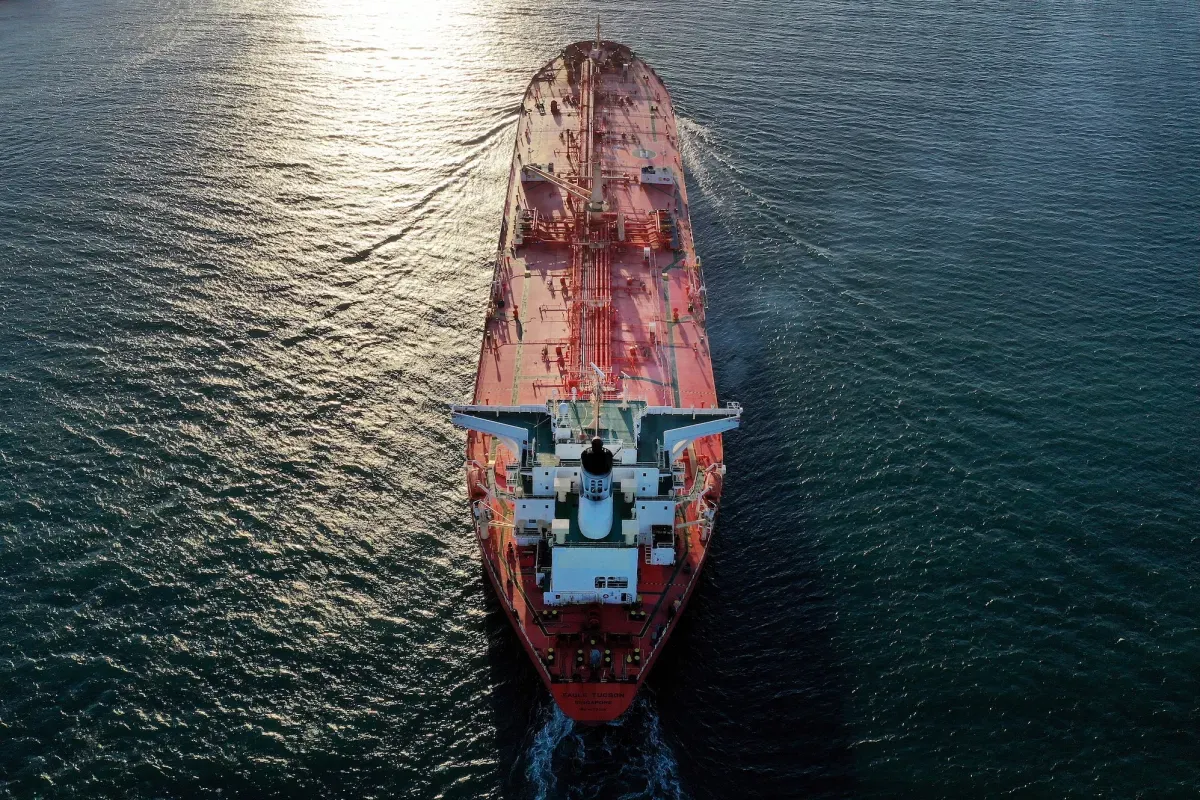 Photo: TechCrunch
Key points
US officials are investigating whether Iran is behind cyberattacks on as many as 50 commercial tankers, with several vessels boarded for inspection before entering US ports.
The US government is investigating whether Iran is behind cyberattacks on as many as 50 commercial shipping vessels, according to a US official familiar with the matter who was not authorised to speak on the record. The FBI and Coast Guard have boarded vessels bound for American ports, and officials believe dozens of ships in international waters may have been compromised.
The figure of up to 50 vessels covers tankers carrying crude oil, liquefied petroleum gas and other chemical products, according to a report by The Wall Street Journal that first disclosed the campaign. The ships were attacked as they travelled across Asia and Europe, and several oil tankers heading towards the US coast in August had their navigation systems breached.
How the intruders got in
The intrusions exploited known vulnerabilities in Fortinet FortiGate devices, which manage firewalls and virtual private networks and are widely used in the maritime industry. A joint FBI and Coast Guard cyber bulletin released in September warned that threat actors were breaking into these devices. "Threat actors routinely scan for specific, unpatched vulnerabilities to gain a foothold," the bulletin read.
From those devices, hackers pivoted from the ships' information technology systems to the operational technology that controls physical processes aboard. The US official said the intruders "could have impacted the systems on board that control propulsion, steering, navigation, and cargo management," though no examples of such activity were shared. At least one affected ship was an LNG tanker, where cargo must be held at controlled temperatures.
Threats sent to crews
The campaign has also included direct threats. One very large crude carrier identified in the August attacks, VL Prosperity, received a ransom note published in a Russian-language posting on Telegram and a bomb threat, according to the maritime trade press. A European shipowner said that two of its officers received threatening messages on their mobile phones.
Some of the threatening messages were written in Farsi, the language spoken in Iran, though the trade press reported they have not necessarily been confirmed as coming from Iran. One tanker approaching Italy showed erratic sailing patterns. The Coast Guard and FBI said there are no current reports of operational disruptions, vessel instability, physical danger to crews or environmental impacts.
Not everyone in Washington accepts the Iranian attribution. A Trump administration official seemed to downplay the incidents, calling them "little more than a minor nuisance" and asserting that no evidence has been found indicating Iranian involvement, according to the trade press. Some officials have also raised questions about Russia, the same report said.
What the Coast Guard requires
The Coast Guard has warned that the stakes go beyond disrupted schedules. "Modern ships are highly integrated systems. A cyberattack presents significant risks, including the potential for a collision, grounding, oil spill, or even an explosion," the service said in a statement. A former Navy official said the possibility of taking control of operational technology on Navy and merchant ships had been tracked "for a long time, and now this is coming to fruition."
The FBI and Coast Guard first partnered in August to send a "highly specialized team" to board two foreign commercial vessels in the Gulf of America heading to US ports. "The captain, crew, and shore-side corporate staff were critical partners in helping to ensure the threats were mitigated," the agencies said in a statement. At least four additional ships have been boarded for inspection in recent weeks as they neared the US.
The Coast Guard is also moving to regulation. New cybersecurity requirements for ports and vessels are being phased in, and vessel and facility owners have just over seven months to designate a Cybersecurity Officer, complete a Cybersecurity Assessment and submit a Cybersecurity Plan. The service issued guidance encouraging firms to prepare for the next wave of requirements, which arrive in July 2027.
Ahead of winter and the busy holiday shipping season, officials expect to keep investigating any vessel entering US ports that could be compromised. The FBI did not respond to a request for comment about the shipping hacks or whether it had a more accurate figure than 50. The next regulatory deadline for operators falls in July 2027.
Frequently asked questions
How many ships were hacked?
US officials believe as many as 50 commercial vessels carrying crude oil, liquefied gas and chemical products were compromised in recent weeks, according to a US official familiar with the investigation.
How did the hackers get into the ships' systems?
They exploited known vulnerabilities in Fortinet FortiGate devices used widely in shipping, then pivoted from the ships' IT systems to the operational technology controlling propulsion, steering, navigation and cargo management, a US official said.
What has the Coast Guard done about it?
The FBI and Coast Guard boarded vessels bound for US ports, including two in August and at least four in recent weeks, and issued a September bulletin on the Fortinet flaws. New cybersecurity requirements for ports and vessels are being phased in, with a deadline in July 2027.