Iraqi court gives eight French Islamic State members life sentences
An Iraqi court sentenced eight French nationals to life in prison and two to 15 years on 26 November for joining Islamic State, bringing convictions to 26 of the 47 French defendants.
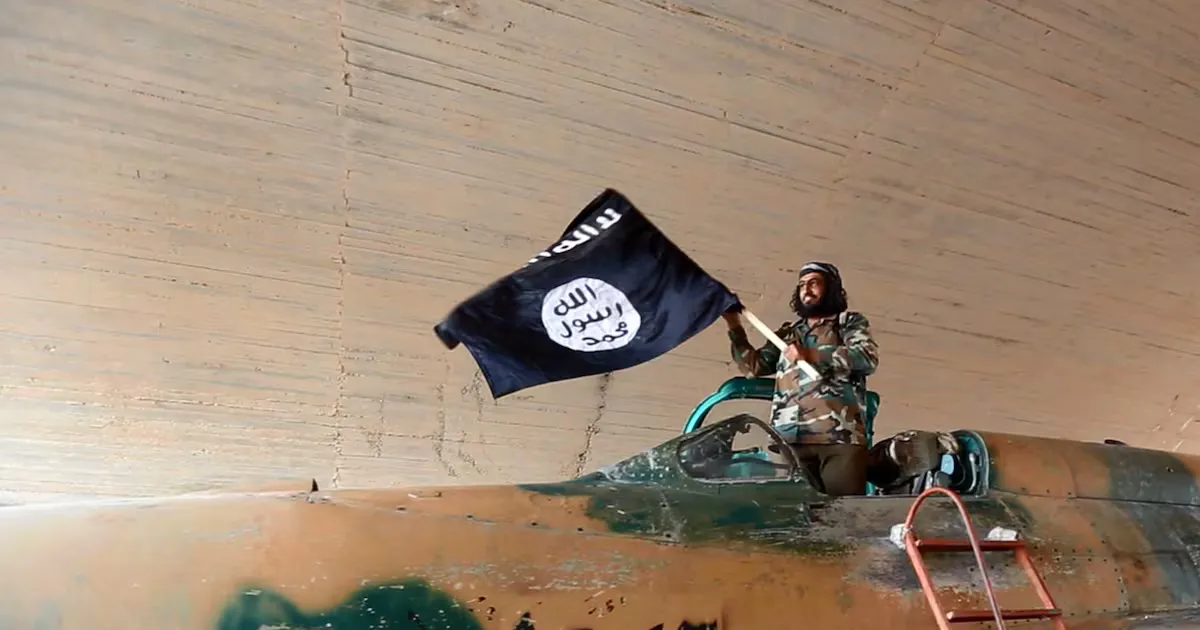 Photo: The National
Key points
An Iraqi court sentenced eight French nationals to life in prison and two to 15 years for joining Islamic State, with 26 of the 47 French defendants now convicted.
An Iraqi court sentenced eight French nationals to life in prison and two to 15 years on 26 November for joining Islamic State, the group also known as ISIS. The 10 were among 47 French citizens brought to Iraq from north-eastern Syria and put on trial at the Karkh Criminal Court under Iraq's antiterrorism law since September.
The verdicts bring the number convicted in the group to 26 of the 47, the court's tally shows. Before 26 November, the court had already sentenced 15 of the French citizens to life imprisonment and one to a 15-year prison term. Most of those convicted have received life sentences, which in Iraq carry a 20-year prison term.
Twenty-six of 47 convicted
Presiding judge Mohammed Salman told the defendants that membership of ISIS was punishable by death, but that the court had decided to commute their sentences and give them a chance to reform. Iraqi life sentences are automatically reviewed by the Court of Cassation within 30 days, so the terms handed down on 26 November are not final until that review ends.
Romain Garnier, who worked for the group's radio operation, was among those given a life sentence on 26 November. During their hearings, most of the suspects pleaded guilty and all expressed regret over joining the group, with some asking to be repatriated to France. Many defendants argued that they had only been to Syria, questioning why they are being tried in Iraq.
Baghdad prosecutes them under its anti-terrorism law for joining ISIS regardless of whether they operated in Iraq or Syria. France has repatriated hundreds of family members of jihadists but has refused to bring back most of the men accused of involvement, leaving them to face justice abroad. The court has not set a date for the postponed verdicts.
Guihal verdict postponed
The most prominent defendant, Adrien Guihal, was due to be sentenced on 26 November but the judge postponed the verdict without giving a reason. Guihal, 41, known within ISIS as Abu Osama Al Faransi, is the voice heard in the group's broadcast claiming responsibility for a lorry attack in Nice in the south of France, which killed 86 people.
Guihal pleaded guilty at his hearing the previous week. He told the court he had converted to Islam in 2002, entered Syria in 2015 and worked in an ISIS media office, and insisted he was not a leader but only a translator. "I was translating news," he said, claiming he tried to flee ISIS twice in 2017 but was caught and jailed.
"I am 100 per cent guilty but not of spreading terror," Guihal told Judge Salman, adding that he regretted and disowned ISIS and wanted to return to France. He said: "I have changed a lot, I am a new person." Two other defendants awaiting verdicts are Thomas Collange and Quentin Le Brun, who appeared in a propaganda video.
Why Iraq tries them
The cases form part of a wider effort to prosecute foreign fighters held after the collapse of the so-called ISIS caliphate, which controlled large parts of Syria and Iraq between 2014 and 2017. ISIS swept across both countries in 2014, committing massacres and forcing women and girls into sexual slavery, while supporters travelled from Europe and elsewhere to join its ranks.
Iraq, backed by US-led forces, proclaimed victory over ISIS in 2017, and Kurdish-led forces supported by Washington defeated the group in neighbouring Syria two years later. Iraq is still reckoning with the group's legacy, with mass graves being uncovered and testimonies of ISIS brutality still to be investigated. Its prisons, already packed with ISIS suspects, have recently received thousands more detainees transferred from Syria.
For years, Iraqi courts have handed down hundreds of life and death sentences to people convicted of terrorism offences, including foreign fighters. Some rights groups have denounced the trials as rushed and lacking due process. The court has not responded publicly to that criticism, and the 26 November hearings proceeded without any change to the antiterrorism law under which they are held.
In February, Iraq received more than 5,700 ISIS detainees from over 60 countries after the United States transferred them from Syria, following years of detention in Kurdish prisons. Trials for that group started on 22 November, with the first hearings involving Syrian nationals. The court has not set a date for Guihal's postponed verdict or for the other nine deferred cases.
Frequently asked questions
How many French ISIS members did the Iraqi court sentence on 26 November?
The Karkh Criminal Court sentenced 10 French citizens: eight to life imprisonment and two to 15-year prison terms for membership of ISIS. They are among 47 French citizens transferred from north-eastern Syria and tried in Iraq since September.
Why was Adrien Guihal's verdict postponed?
The presiding judge, Mohammed Salman, postponed Guihal's verdict on 26 November without giving a reason. Guihal, 41, is the voice heard in the ISIS broadcast claiming responsibility for the Nice lorry attack, which killed 86 people, and pleaded guilty at his hearing the previous week.
What does a life sentence mean in Iraq?
In Iraq a life sentence carries a 20-year prison term and is automatically reviewed by the Court of Cassation within 30 days. Judge Mohammed Salman told the defendants that ISIS membership was punishable by death but that the court commuted the sentences to give them a chance to reform.