Israel election commission rejects Netanyahu fraud claims after audit
Israel's election commission found no evidence of fraud in the October 27 vote, rejecting Netanyahu's claims that Arab-led parties stole the election.
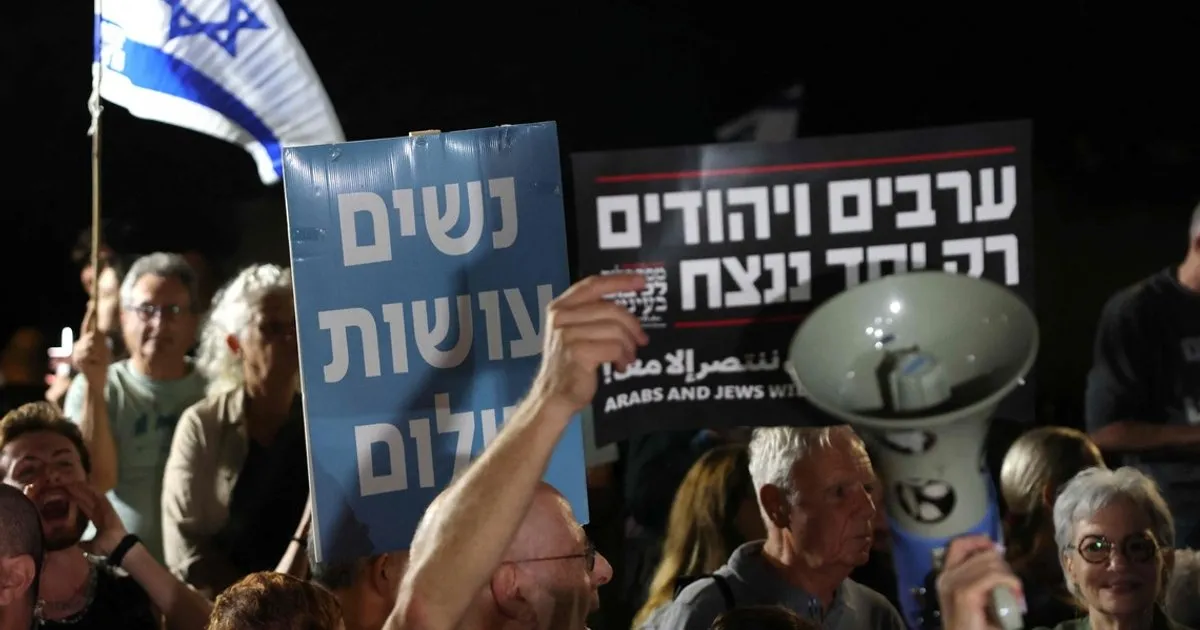 Photo: The Straits Times
Key points
Israel's election commission found no evidence of fraud in the October 27 election, rejecting Netanyahu's claims that Arab-led parties stole the vote.
Israel's election commission said on 4 November it found no evidence of fraud in the general election, rejecting Prime Minister Benjamin Netanyahu's claims that Arab-led parties stole the vote. The audit of 9,069 polling stations concluded that the results "accurately reflect the will of the voters," according to a statement from the Central Elections Committee.
The announcement came as President Isaac Herzog prepared to receive the official results of the 27 October election, with neither Netanyahu nor opposition leader Gadi Eisenkot commanding enough seats to form a government alone. Netanyahu's religious-nationalist bloc lost its parliamentary majority, while Eisenkot's bloc also failed to secure the 61 seats needed in the 120-seat Knesset.
Audit of 9,069 stations
Arab-led parties won a record 19 seats, up from 10 in the previous election, and Netanyahu and his supporters have repeatedly made unsubstantiated claims that these parties stole the election, possibly with foreign assistance. The election commission's statement said "the review found no evidence of irregularities that compromised the integrity of the election or affected its results."
Elections committee acting director Dean Livne said the investigation examined every complaint "individually and thoroughly" but found no evidence to support allegations that the election results were invalid. The results "accurately reflect the choices voters made at the ballot box," Livne said, according to the commission's statement. Netanyahu has alleged fraud by Arab-majority parties, pointing to arrests of several people with envelopes of cash on election day and later saying lawmakers received money from Qatar. On 3 November, Attorney-General Gali Baharav-Miara said she would not question anyone without evidence, after reports that the head of the Shin Bet intelligence service, a Netanyahu ally, had asked to interrogate Arab parties.
Blocs fall short of majority
Netanyahu's Likud party criticised Baharav-Miara, saying she was trying to "obstruct the investigation and to cover up this serious case of manipulation of the electoral process by foreign actors." Eisenkot accused Likud of attempting a "pogrom against democracy," according to reports. A separate Shin Bet investigation into foreign interference is ongoing, a spokesperson for the elections committee said.
The election results are set to be formally certified on Wednesday, and Herzog will then meet with each of the parties elected to parliament. Following two days of consultations, he will choose the candidate he believes is best positioned to form a coalition government, setting the stage for weeks of negotiations. Netanyahu's bloc has an edge with 53 seats, compared with Eisenkot's 48.
Eisenkot could reach the 61-seat threshold if he were to ally with Arab-led parties, whose seat count surged to 19. But some in the opposition have baulked at relying on non-Jewish lawmakers' votes. Yousef Jabareen, head of the largest Arab-majority party in the next parliament, said this week that the opposition needed to accept "political reality" and team up to remove Netanyahu.
Next steps for government
Herzog, who holds a largely ceremonial role but carries the decisive vote on who gets the first chance to try to be prime minister, has said he wants to encourage "fresh thinking" and avoid a new election. Once tasked, a candidate will have 28 days to form a government, with a potential 14-day extension. If no one succeeds, Herzog will give the mandate to someone else.
If that too fails, a majority of lawmakers could nominate someone within 21 days, or Israel heads to new elections. It took Netanyahu 58 days to form a government after the last election in November 2022, and Israel held five elections between 2019 and 2022 after repeated deadlocks. Netanyahu faces corruption charges and the risk of jail if he loses power and, with it, immunity.
The deadlock between Netanyahu and Eisenkot raises the possibility of an alliance between the two rivals, or an alliance between Eisenkot and some of the Arab-led parties. If neither man can put together a government, the country will hold another election early next year. Herzog will begin consultations with parties, starting with the smaller ones, after officially receiving the results.
Frequently asked questions
What did Israel's election commission find?
The commission found no evidence of fraud in the October 27 election, after auditing 9,069 polling stations. It said the results 'accurately reflect the will of the voters'.
How many seats did Arab-led parties win?
Arab-led parties won a record 19 seats in the 120-seat Knesset, up from 10 in the previous election.
What happens next in forming Israel's government?
President Isaac Herzog will receive the results and begin consultations. He will choose a candidate to form a government; if no one succeeds, new elections could be held.