Eisenkot bloc moves to control Knesset as Netanyahu loses majority
On 10 November, Israel's new parliament was sworn in with Gadi Eisenkot's bloc winning 48 seats and moving to install its own speaker.
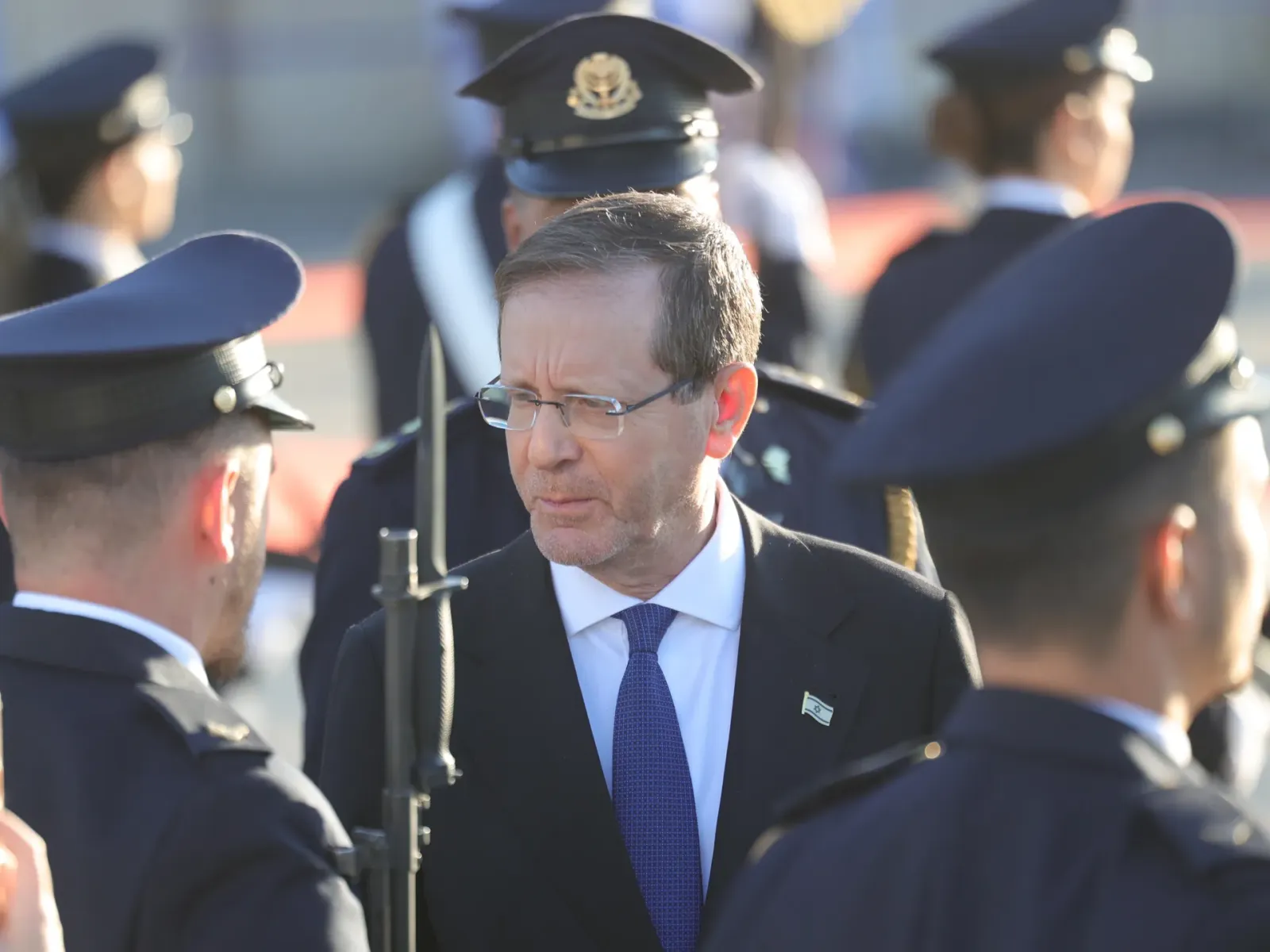 Photo: Al Jazeera
Key points
Israel's new parliament convened on 10 November with Eisenkot's bloc winning 48 seats and moving to control key roles, challenging Netanyahu's caretaker government.
Israel's new parliament was sworn in on 10 November with opposition leader Gadi Eisenkot moving to consolidate control of the Knesset, as caretaker Prime Minister Benjamin Netanyahu lost his governing majority. Eisenkot's bloc of four parties won 48 seats in October's election, while Netanyahu's bloc won 53, leaving both short of a majority in the 120-seat chamber.
Eisenkot, a former army chief, has been tasked by President Isaac Herzog with forming a government, receiving more recommendations from lawmakers than Netanyahu. He has 28 days to build a coalition, with a possible two-week extension. The opposition has struck an early deal over senior parliamentary roles, signalling its intent to use its numerical advantage even before a cabinet is sworn in.
Opposition takes control
Matan Kahana, from Eisenkot's Yashar party, will be nominated as Knesset speaker. Avigdor Lieberman is expected to lead the Foreign Affairs and Defence Committee, Roy Folkman will chair the Arrangements Committee, and Liran Avisar Ben-Horin will chair the Finance Committee. These roles help decide how parliament works, what laws are discussed, and how money for defence and other areas is handled.
The opposition also moved to set up a commission to investigate Hamas's October 7, 2023 attack, an action long resisted by Netanyahu. Outgoing speaker Amir Ohana scheduled a Knesset vote on his replacement for 17 November. A majority of opposition lawmakers submitted signatures calling for the ousting of the Netanyahu-backed speaker, a vote that can take place before a coalition government is in place.
Netanyahu and Eisenkot traded barbs during the session. Netanyahu warned Jewish parties against working with Arab lawmakers, describing them as enemies within. "To those who are thinking of forming a government that includes terror supporters who hate Israel, or one that will be dependent on them – To these people, I ask you: are you willing to be dependent on those whose goal is the destruction of the Jewish state?" he said.
Arab parties hold balance
Arab-led parties won a record 19 seats between them, potentially holding the balance of power. The United Arab List, which won eight seats, has said it is willing to be part of an Eisenkot-led coalition, while the Joint List, which won 11 seats, has offered parliamentary support from the outside. However, three parties in Eisenkot's bloc have opposed including them in a coalition, and Lieberman has refused to join a minority government dependent on Arab MKs.
Eisenkot's easiest option is to rely on the 19 Arab-Israeli lawmakers, who may support his government from outside the cabinet, giving him the 61 votes he needs. But this could be difficult if his government starts another major military operation in Gaza. Another option is to bring in the two ultra-Orthodox parties, which have 13 seats, but that would be hard because Lieberman has strongly criticised them over their exemption from military service.
Coalition hurdles remain
Eisenkot said any party or MK prepared to accept four principles could join his proposed government: recognition of Israel as a Jewish and democratic state; accepting the values of the Declaration of Independence; backing mandatory military, national or civilian service for all; and recognising Hamas as a terrorist organisation and committing to dismantling its military and governing capabilities. These requirements could present significant obstacles, as the ultra-Orthodox parties object to conscription changes, and the Arab parties have not publicly recognised Hamas as a terrorist organisation.
If Eisenkot cannot form a government, President Herzog can give the chance to another lawmaker, most likely Netanyahu, who would also have 28 days. If that fails too, 61 lawmakers can ask the president by 10 February 2027 to choose a candidate they all agree on, who would then have 14 days to form a government. If every attempt fails, Israel will hold new elections by the last Tuesday in May 2027, unless Parliament decides to dissolve itself earlier.
President Herzog urged lawmakers to "leave no stone unturned" and launch an investigation into the October 7 attacks, calling on party leaders to "make concessions" and do "everything possible to avoid a repeat election". He also said Israel "must fortify the alliance" with the United States and strengthen peace agreements with Egypt, Jordan, Morocco, the United Arab Emirates, and Bahrain.
Frequently asked questions
What happened at Israel's new parliament session on 10 November?
Israel's new parliament was sworn in, with Gadi Eisenkot's bloc winning 48 seats and moving to control key roles, including the speakership, while Netanyahu's bloc won 53. Both fell short of a majority, and Eisenkot has 28 days to form a coalition.
Why is the Knesset speaker vote important?
The speaker determines what bills the Knesset takes up. Eisenkot's bloc triggered a process to replace the Netanyahu-backed speaker, with a vote scheduled for 17 November, which could propel their legislative agenda forward.
What are Eisenkot's options to form a government?
Eisenkot could rely on the 19 Arab-Israeli lawmakers for outside support, or bring in the ultra-Orthodox parties with 13 seats. Both options face obstacles, including opposition from within his bloc and demands over military conscription.