Italy fines Meta €805m over accessing Android user photos
Italian authorities imposed a €805m penalty, the largest ever issued by Italy’s data protection regulator, on Meta for accessing Android photos without specific consent.
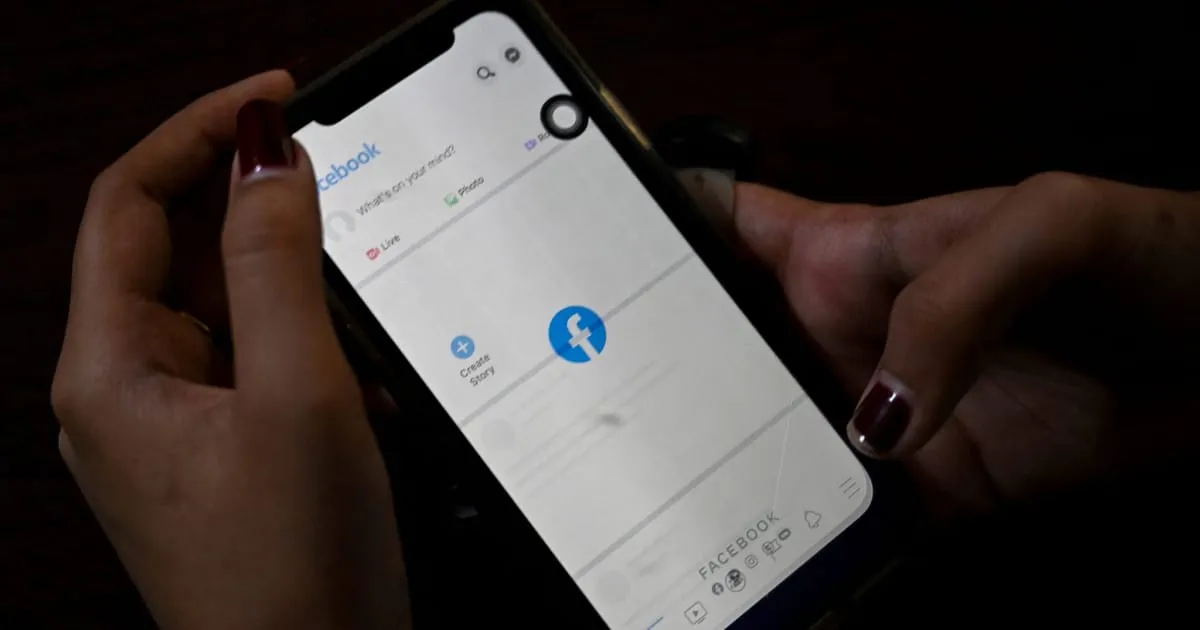 Photo: POLITICO
Key points
Italy fined Meta €805m for accessing Android user photos without specific consent.
Italian authorities fined Meta’s parent company €805 million for using photos and videos from Android phones without users' specific consent. The Italian Data Protection Authority announced the penalty on Saturday after an investigation launched in 2025. This financial penalty marks the largest fine ever issued by Italy’s data protection regulator under current privacy laws.
The charge relates to a Facebook app feature that suggests photos and videos from a user’s phone gallery for posting. The regulator found that the app requested access to these galleries through a single app-wide authorisation that was too generic. A preceding notice did not make clear that this would allow Facebook to generate suggestions based on photos in users’ phone gallery.
The specific feature involved
The investigation established that access to a user’s camera roll was requested with a single permission for the entire app. The authority said this covers multiple features with different needs and that the authorization request was preceded by a generic warning. This warning did not allow users to understand that they were authorizing picture and video suggestions specifically.
Regulators said that if granted in full, this type of permission allows the app to read the device’s entire photo archive. This access usually happens permanently without the user or authorities being able to verify which information is actually being used. The Italian Data Protection Authority stated that this process violated the Italian law implementing the EU’s ePrivacy directive.
The authority cited the high number of people affected and Meta’s lack of cooperation when determining the penalty size. About 20 million smartphone users in Italy were not properly informed that Meta had access to their photos and videos. The regulator noted the issue was still ongoing for those who had not updated the app or had already given consent.
Why the fine is this large
The proceedings did not address the possible use of content to train artificial intelligence models, a practice Meta has denied. This investigation focused strictly on consent procedures for the gallery suggestion feature rather than data usage for training purposes. Meta denied the claim regarding AI training use during the proceedings.
The authority rejected the objection of lack of jurisdiction raised by Meta in favour of the Irish authority. The regulator stated that the ePrivacy regulation does not provide for the one stop shop mechanism that Meta had cited. This decision confirmed that Italian authorities had the power to issue this penalty independently.
What Meta must do now
Meta has 60 days to get consent separately and specifically for the feature and to explain what it does. The company must also clearly explain how the feature can be disabled according to the authority order. The feature must be disabled by default including for those who have already authorized it previously. Meta did not immediately respond to a request for comment regarding this financial penalty. The company has the right to appeal the decision within the timeframe set by Italian law. This follows a separate US ruling in New Mexico ordering Meta to pay $25 billion last month.
Frequently asked questions
How much was the fine Meta received from Italy?
Italian authorities fined Meta €805 million for accessing Android users' photos without specific consent. This is the largest fine ever issued by Italy's data protection regulator.
What specific feature violated privacy laws?
The violation involved a Facebook feature suggesting photos and videos from a user's phone gallery for posting. The app requested access through a single generic permission that did not clearly explain this specific use.
What must Meta do next?
Meta has 60 days to disable the feature by default and seek specific consent from users. The company must also explain what the feature does and how it can be disabled.