Jordan strikes Syria, claims killing more than 20 Islamic State militants
Jordan's air force struck suspected militant hideouts in southern Syria on Monday evening, claiming more than 20 Islamic State militants killed, after a church attack in Karak killed nine people on 23 October.
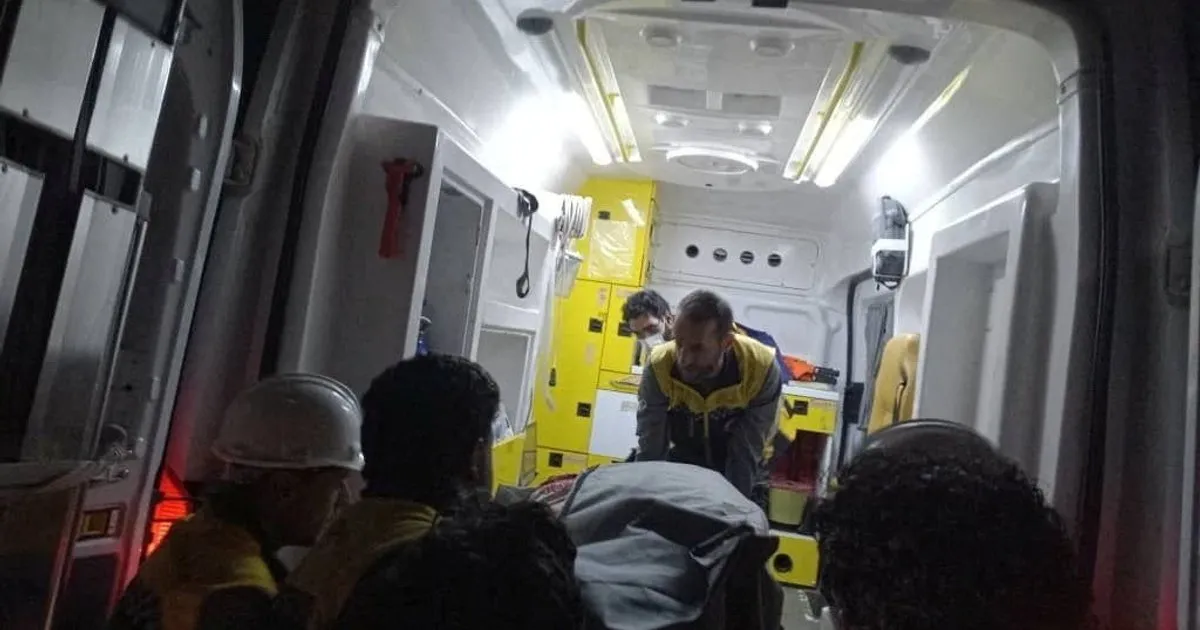 Photo: The Straits Times
Key points
Jordan's air force struck suspected militant hideouts in southern Syria, claiming more than 20 Islamic State militants killed, in retaliation for a church attack in Karak that killed nine people.
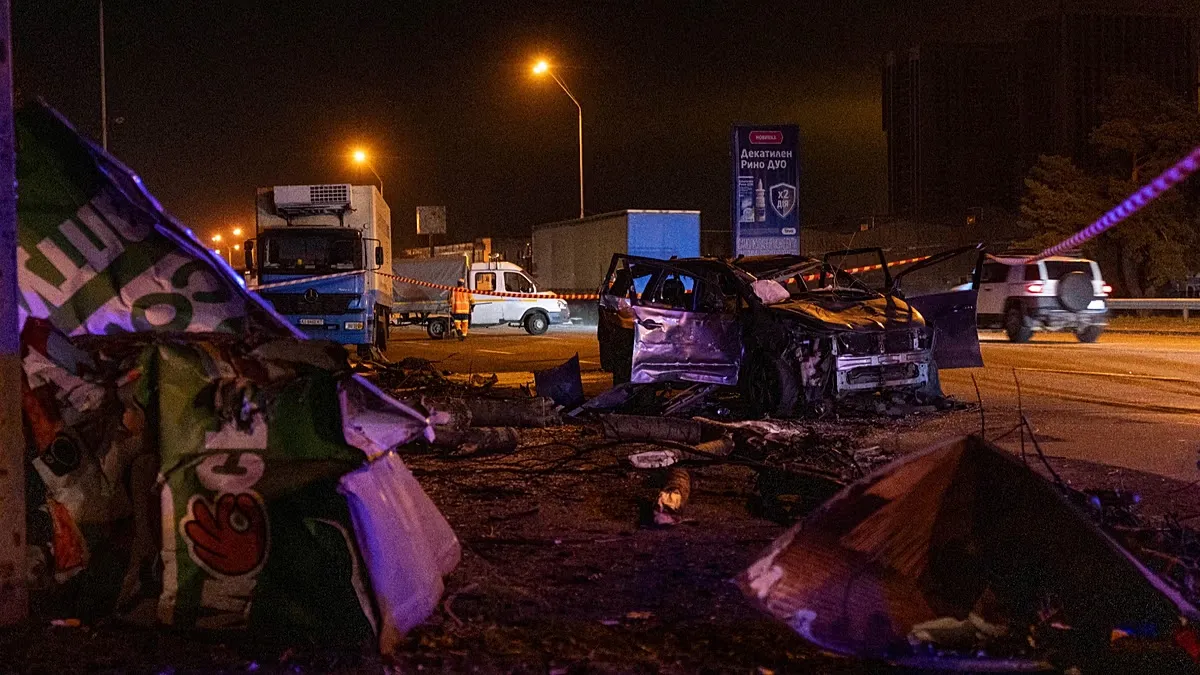
Jordan's air force struck suspected militant hideouts in southern Syria on Monday evening, claiming to have killed more than 20 Islamic State militants, Government Communication Minister Mohammed al-Momani said on Tuesday. The strikes came after a deadly attack on a Greek Orthodox church in Karak, Jordan, on 23 October that killed nine people and wounded at least 34.
The operation, dubbed "Operation Jordanian Deterrence – Hmoud", was described as retaliation for the church attack. Jordan's state news agency Petra reported that the Jordan Armed Forces said the attackers behind the Karak church assault had links to the terrorist organisations targeted in southern Syria. The military said fighter jets destroyed several terrorist locations, killing and wounding militants and destroying their equipment.
Why Jordan struck southern Syria
Syria's government gave a contradictory account of the strikes. Jordan's armed forces said the operation was conducted in coordination with Damascus, but Syria's government said the airstrikes were carried out without coordination or notification and had launched an investigation into the attacks. Syria also stressed the importance of field and security coordination in border areas. There has been no claim of responsibility by Islamic State for the church attack.
Syrian authorities said the strikes killed seven people, including three children and a woman, in a preliminary report issued on Monday night. The director of health in the southern province of Daraa, where the strikes took place, told the Syrian national news agency Sana that at least five civilians had been killed, including women and children and a 65-year-old man. Jordan's Government Communication Minister Mohammed al-Momani said the strikes had avoided known civilian areas and that Jordan regretted the civilian casualties.
The attack on the Greek Orthodox church in Karak struck during a funeral on 23 October, in a city about 90km south of the capital Amman. Karak is home to a minority Christian population. Jordan declared three days of mourning for the victims. No group immediately claimed responsibility for the attack, and the attackers' motive remained unknown.
Casualty figures disputed by both sides
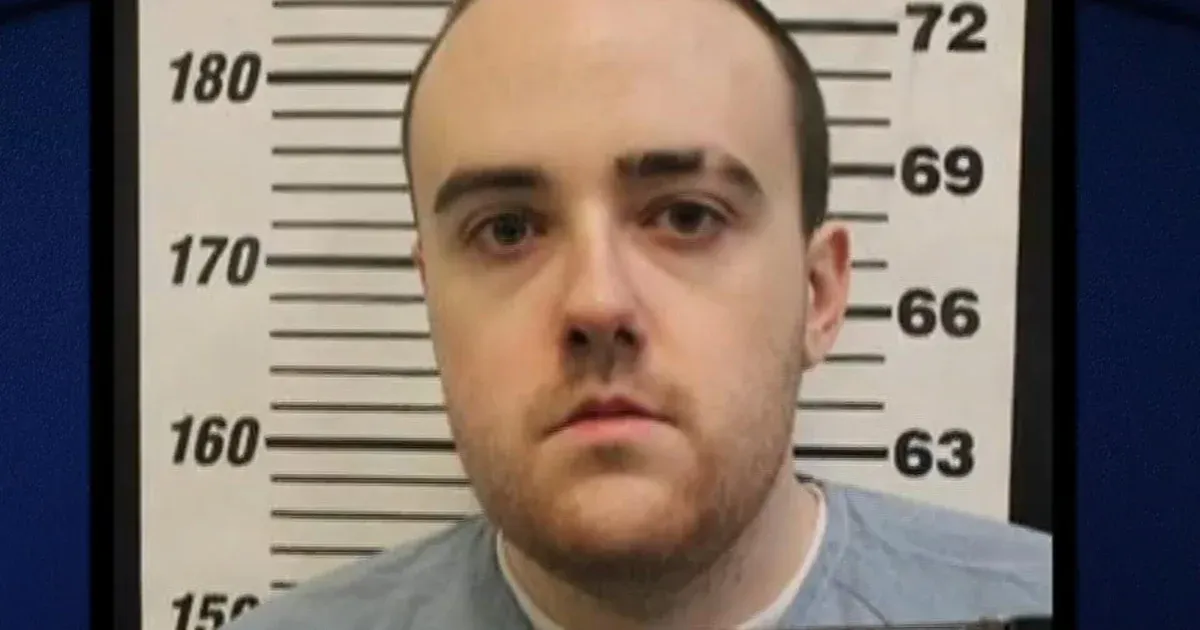
Jordanian authorities arrested three men in connection with the church attack after a dawn shootout on Monday. The Public Security Directorate identified them as brothers Hazzah Zaidan Mohammad and Mishal Zaidan Mohammad, and their brother-in-law Ahmad Sami Hussein, all Jordanian, taken into custody in Karak. All three were wounded in the shootout, and a large cache of munitions was found in the abandoned house where they were apprehended.
The agency's chief, Maj Gen Obaidallah Abd Rabbo Al-Maayta, described the gunmen as "takfiri", a term used for Sunni militants, but said they were not tied to any organised group. "They only represent themselves," he told a news conference. Jordan's interior minister, Mazen al-Faraya, said the attack was the result of "a terroristic, extremist way of thinking" and warned that similar incidents would recur if it was not addressed.
Jordan's King Abdullah II ordered authorities to respond with "an iron fist" against those he called the outlaws of Islam. "We vowed the terrorists would not escape punishment, and no proponent of dark ideologies that divide Jordanians will be tolerated," he said in a statement on Monday. Relatives of the victims said the arrests brought some relief, with survivor Khaled al-Borqan telling Al-Mamlaka the news had eased their grief.
Arrests after Karak church attack
In the aftermath of the strikes, Syria closed the Nassib border crossing with Jordan, suspending traffic in both directions. Nassib is Jordan's only passenger and commercial border crossing with Syria. The closure followed the contradictory accounts from Amman and Damascus over whether the airstrikes had been coordinated, and Syria's announcement that it had launched an investigation into the attacks.
Jordan's armed forces said the army would continue to counter terrorism while safeguarding Jordan and ensuring the safety of its people. The strikes on southern Syria and the arrests in Karak represent the two fronts of Jordan's response to the church attack, with military action across the border and a criminal investigation at home into the three detained suspects.
Frequently asked questions
Why did Jordan strike targets in southern Syria?
Jordan said the strikes were retaliation for the attack on a Greek Orthodox church in Karak that killed nine people. Jordan's state news agency Petra reported the Jordan Armed Forces said the Karak attackers had links to the terrorist organisations targeted in southern Syria.
How many people did each side say were killed in the airstrikes?
Jordan claimed more than 20 Islamic State militants were killed. Syria said the strikes killed seven people, including three children and a woman, while the director of health in Daraa province told Sana that at least five civilians were killed, including a 65-year-old man.
Who was arrested in connection with the Karak church attack?
Jordanian authorities arrested three men: brothers Hazzah Zaidan Mohammad and Mishal Zaidan Mohammad, and their brother-in-law Ahmad Sami Hussein, all Jordanian. All three were wounded in a dawn shootout, and a large cache of munitions was found where they were apprehended.