Judge blocks Trump's White House ban on CNN, Politico and MS NOW
U.S. District Judge Timothy Kelly issued a 26-page preliminary injunction on Tuesday keeping CNN, Politico and MS NOW reporters on White House grounds while their lawsuit proceeds.
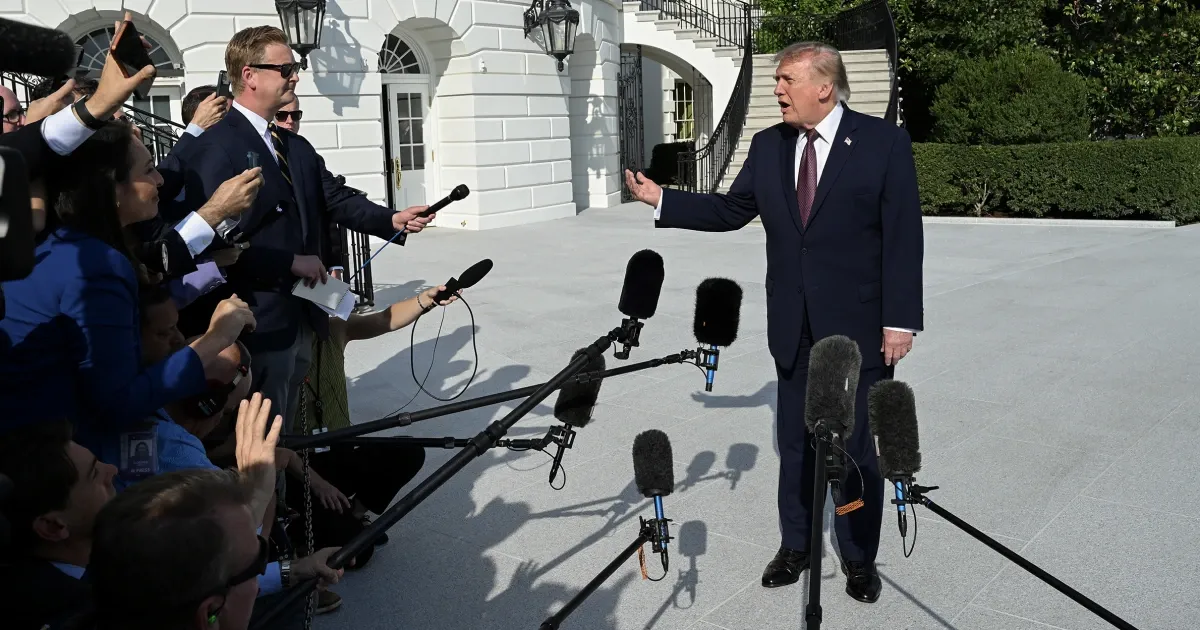 Photo: NBC News
Key points
U.S. District Judge Timothy Kelly issued a preliminary injunction on Tuesday blocking the Trump administration from banning CNN, Politico and MS NOW reporters from the White House.
U.S. District Judge Timothy Kelly issued a preliminary injunction on Tuesday blocking the Trump administration from banning CNN, Politico and MS NOW from the White House complex while the news organisations' lawsuit proceeds. The 26-page decision, in CNN, Inc. v. Trump, prevents the three outlets from being removed from White House grounds until the case is decided. Kelly, who was appointed by Trump, granted the request after a hearing at which the administration argued the ban was imposed in part over national security concerns.
The ruling matters because it converts a temporary restraining order into longer-term relief that lasts through the litigation, and because Kelly found the outlets likely to succeed not only on their due process claim but also on two First Amendment claims. The earlier temporary restraining order, issued late last month, had rested only on due process grounds. The ban affected 78 journalists who held hard passes, meaning they had been previously screened and credentialed to work at the White House, according to court filings by the three organisations.
What the ruling covers
Kelly found the revocation of hard passes likely violated the First and Fifth Amendment rights of the journalists. He wrote that the revocation was the sort of action that would deter a reasonable reporter or news organisation from publishing stories to which the president objects, and that a hard pass is crucial to covering the White House because it allows immediate, unescorted access to press areas. He noted that without hard passes, reporters would miss newsworthy events that happen with little or no notice.
The judge wrote that Trump likely banned the outlets from the White House because he believes their reporting is generally inaccurate and biased against him, and that this violated the journalists' First and Fifth amendment rights. Kelly cited Trump's remarks to Time Magazine, in which Trump said he did not like bad story after bad story coming from CNN, Politico and MS NOW journalists. Trump announced the ban on social media on September 18, saying it was a result of their constant reporting of fake news.
The administration argued the ban addressed national security concerns, but Kelly found the record did not support that account. He wrote that there was practically nothing national security-related in the record connected to the president's decision to revoke the hard passes to which the court could defer. He observed that when Trump announced the ban with his post on September 18, he did not mention national security, and did not mention it when asked later that day about the particular reason for his action.
The national security argument fails
The White House provided the outlets with lists of articles it said threatened national security or spread falsehoods, but most of the pieces were written by journalists who do not hold White House hard passes. One flagged Politico story, published in June, was based on a press call organised by the White House during which reporters were instructed to attribute quotes to a senior administration official, according to court records. Kelly said the reporting cited by the White House is commonplace, for better or worse.
The injunction gives the outlets access to the White House until the underlying lawsuit is resolved, but it does not require the administration to allow reporters from the outlets into the Oval Office or Air Force One. Those are locations where the administration has blocked reporters from CNN and Politico in recent weeks. Kelly also wrote that his decision should not be read as claiming Trump's concerns about accuracy and fairness in the media's reporting are unfounded.
What the injunction does not do
At the hearing, Justice Department lawyer Michael Velchik asked Kelly to lift the restraining order, calling the White House a sacred place that should not have to give people access just because they identify as a reporter, and arguing that access to the White House is a privilege, not a right. Theodore Boutrous, lawyer for the three outlets, argued the ban was impermissible viewpoint discrimination. In a statement after the ruling, Boutrous said the president had repeatedly and candidly admitted in public that he banned the clients to punish reporting he does not like.
Trump announced the ban on CNN, MS NOW and Politico on social media on September 18, writing that media outlets should not be able to constantly write or report fiction and lies when covering the president, and that other outlets would follow. Reporters from the three organisations who arrived at the White House the day after the announcement were turned away and had their press credentials taken by the U.S. Secret Service. The outlets filed their lawsuit on September 21.
In a post on Truth Social before the ruling was handed down, Trump vowed to appeal, and he had said earlier that if Kelly ruled against him, the Justice Department would appeal. Kelly had previously found the administration denied the outlets proper due process under settled law from several cases before the D.C. federal appeals court, writing that the court is bound by D.C. Circuit precedent, full stop. The White House did not immediately respond to a request for comment following the ruling.
Frequently asked questions
What did the judge decide?
U.S. District Judge Timothy Kelly issued a 26-page preliminary injunction on Tuesday blocking the Trump administration from banning CNN, Politico and MS NOW from the White House while their lawsuit proceeds, finding the revocations likely violated First and Fifth Amendment rights.
Why did the judge reject the national security argument?
Kelly wrote that there was practically nothing national security-related in the record connected to the president's decision to revoke the hard passes, noting Trump did not mention national security when he announced the ban on September 18 or when asked later that day.
Does the ruling require access to the Oval Office?
No. The injunction gives the outlets access to the White House grounds until the lawsuit is resolved, but does not require the administration to allow reporters from CNN and Politico into the Oval Office or Air Force One.