Judge orders halt to 20 million dollar Trump ads
A federal judge in New York ordered the Trump administration on 11 October 2026 to cancel remaining taxpayer-funded television ads that cost 20 million dollars.
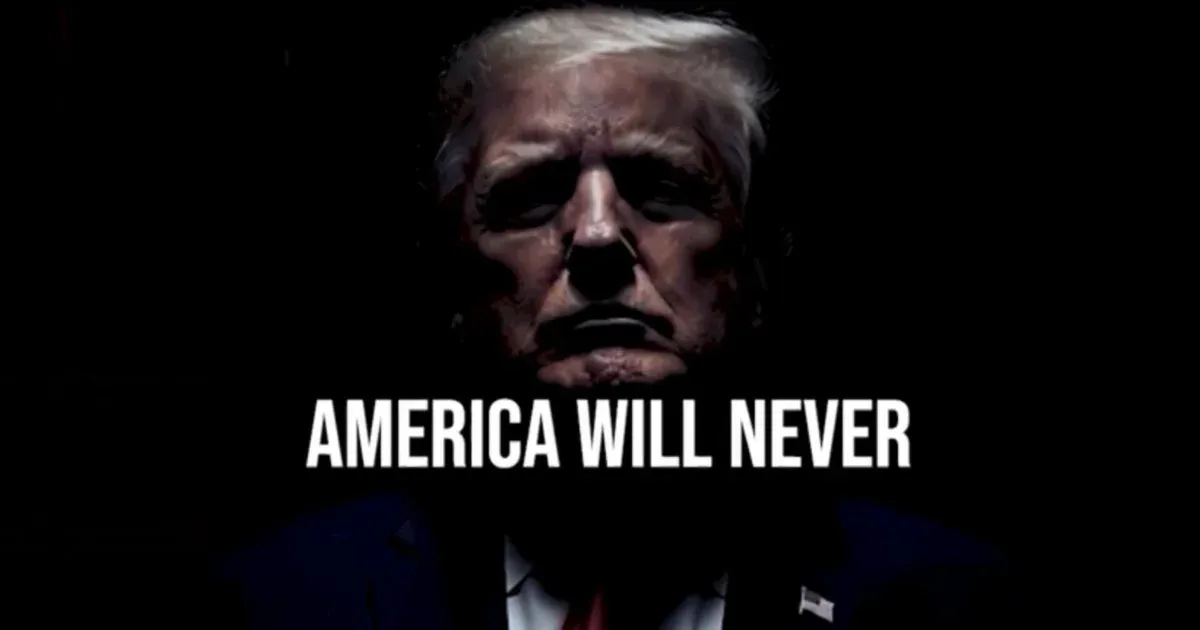 Photo: CBS News
Key points
A federal judge ordered the Trump administration on 11 October 2026 to cancel remaining taxpayer-funded television ads that cost 20 million dollars.
A federal judge ordered President Donald Trump to cancel any remaining television commercials paid for with taxpayer money on 11 October 2026, even as the administration said the ad campaign was coming to an end. U.S. District Judge Jennifer L. Rochon in New York granted a temporary restraining order, siding with a coalition including the nonpartisan watchdog Common Cause that challenged the ads as an illegal misuse of funds.
The order matters because it is the first court ruling blocking the campaign, which the White House had defended as public service announcements. The judge barred the administration from entering, renewing or expanding any agreement authorising the development, creation, dissemination, placement or airing of the challenged advertisements during the two-week duration of her order. The order was in effect as of 6:45 p.m. ET on Sunday, and it does not amount to a final ruling that the government violated federal law.
What the order requires
The Department of Homeland Security tapped 20 million dollars in taxpayer money for the ads. The funds came from a 175 million dollar package Congress provided to the department as part of Trump's immigration enforcement agenda. In a court declaration on Saturday, senior DHS official Holly Mehringer wrote that the money came from funds appropriated by Congress that are "available for, among other things, 'commemorating efforts and events related to border security.'"
The ads began airing in late September and glorify Trump, echoing his political messaging going into the midterms. One features a clip of Trump talking about the threat of communism and another is a replay of an ad from his last presidential campaign. The fifth ad in the campaign began airing on a Tuesday, focusing on the Trump administration's capture of former Venezuelan leader Nicolás Maduro. The commercials end with a disclaimer saying they were paid for by the U.S. government.
Where the 20 million dollars came from
The White House defended the ads as public service announcements akin to what past administrations have done to promote various policies, but the ads differ from many past announcements because they are not aimed at helping members of the public benefit from specific government programs. A White House official said last month the public service announcements "are clearly not political," and noted: "The President is not on the ballot and the ads don't have a call to action."
Criticism came from both parties. Senate Majority Leader John Thune, a South Dakota Republican, told reporters: "It shouldn't be paid for with taxpayer dollars." On "Face the Nation," GOP Sen. John Kennedy of Louisiana said last month, "I don't think any public official, including President Trump or [former DHS Secretary] Kristi Noem or John Kennedy, should spend public money on private ads for themselves." A group of Senate Democrats wrote in a letter last month that the ads were "an egregious and illegal misuse of Americans' hard-earned tax dollars."
How the White House defended the ads
In a court filing late Saturday, the Justice Department argued that the temporary restraining order was unnecessary because "the alleged offending conduct will end tomorrow." Amid the backlash, Trump said he would start paying for the ads with a campaign account, and the White House said the president's political action committee would fund the ads going forward. A White House official said there were no immediate plans to reimburse the government for money already spent.
The plaintiffs, represented by the nonprofit legal organisation Democracy Forward, said in a statement: "We are pleased the court acted swiftly to prevent more taxpayer dollars from being used for such blatantly unlawful political propaganda." Common Cause President and CEO Virginia Kase Solomon said: "We won't stop until this administration is held fully accountable, and no president from any party can waste and abuse taxpayer funds for propaganda ever again."
The plaintiffs, which included a public employee union and a candidate for Alabama state representative, urged the judge to block the ads by a Friday so they would not air during weekend programming, such as football games and Saturday Night Live. The Democratic National Committee has separately sued the Republican administration over the ads, and U.S. Democrats have also challenged the ads in a separate suit filed at a federal court in Washington.
The temporary restraining order remains in effect for two weeks, during which the administration may not enter into, renew or expand agreements for the challenged advertisements. The court has not yet issued a final determination on the legality of the advertising expenditure, and the case will continue past the two-week order.
Frequently asked questions
What did the judge order?
U.S. District Judge Jennifer L. Rochon in New York granted a temporary restraining order on 11 October 2026, ordering the Trump administration to cancel any remaining taxpayer-funded television commercials and barring new, renewed or expanded agreements for the ads during the two-week duration of the order.
How much taxpayer money was spent on the ads?
The Department of Homeland Security tapped 20 million dollars in taxpayer money for the ads, drawn from a 175 million dollar package Congress provided to the department as part of Trump's immigration enforcement agenda.
How has the White House defended the ads?
The White House defended the ads as public service announcements akin to what past administrations have done. A White House official said last month the announcements "are clearly not political," noting that the President is not on the ballot and the ads have no call to action.
How this story was checked
- Fact-checked against 4 cited pages. 28 figures, dates and quotations in this story were found on the pages it cites; 1 passage that could not be checked was cut before publication.
- Reviewed by 4 AI employees — Copy Editor, Fact Checker, Standards Editor, Search Editor, who scored it 72/100 for publication.
Pages checked (4 of 4)
- cbsnews.comread and checked
- abcnews.comread and checked
- dw.comread and checked
- hindustantimes.comread and checked
Written by Kaer from public reporting. Checked 12 October 2026.


