Judge rejects DOJ bid to void 20,000 California mail ballots
A federal judge on Wednesday rejected the Justice Department's emergency request to block counting mail ballots from more than 20,000 California registered voters flagged as likely noncitizens, ruling the effort would disrupt the 3 November midterms.
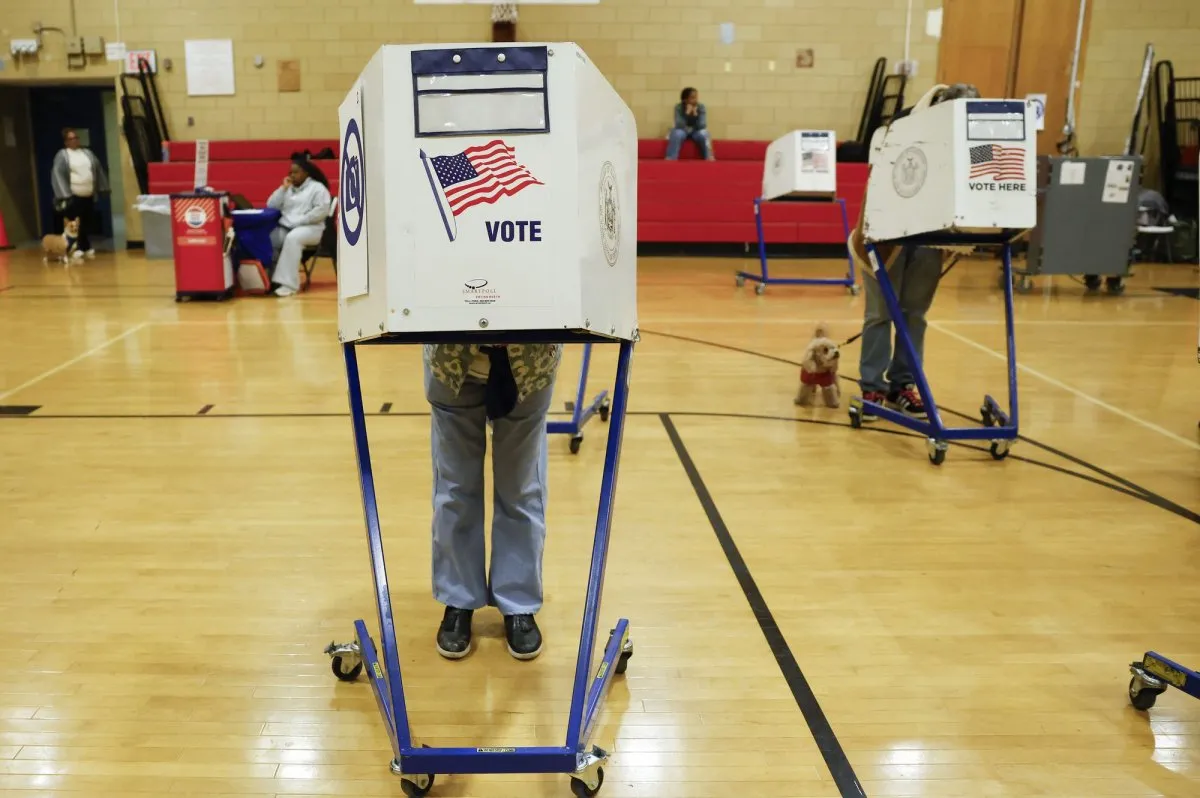 Photo: UPI
Key points
A federal judge rejected the Justice Department's emergency request to block counting mail ballots from more than 20,000 California registered voters flagged as likely noncitizens.
A federal judge on Wednesday rejected the Justice Department's emergency request to force California to stop counting mail ballots belonging to more than 20,000 registered voters the department identified as likely noncitizens. U.S. District Judge David Carter of the Central District of California denied the request after a hearing in Los Angeles, ruling the effort would disrupt the 3 November midterms.
The ruling blocks, for now, an attempt to segregate ballots from voters on a list the Justice Department compiled weeks before the election. Carter wrote that granting the request would let either party create chaos for political purposes, and that more than 20,000 registered Californians could lose a right generations of Americans fought to preserve. The department appealed to the 9th U.S. Circuit Court of Appeals.
What the ruling rejected
The dispute began last year, when the Trump administration sought California's unredacted voter registration rolls. Carter dismissed the Justice Department's lawsuit in January. Federal investigators then obtained commercially available voter registration data and cross-referenced it with federal immigration and other records. In July, the Department of Homeland Security claimed as many as 190,832 noncitizens might be registered to vote in California; the state asked for the methodology, and DHS officials declined to answer.
How the list was built
After the deadline expired on October 15, the Justice Department sued California, alleging its mailing and counting of ballots violated the Supremacy Clause by interfering with federal law prohibiting noncitizens from voting. It filed an emergency application for a temporary restraining order. A federal appeals court rejected the department's emergency request on Monday, before Carter had ruled.
Carter wrote that the request violated longstanding constitutional principles mandating that states control their elections. He said the Justice Department never explained why counting ballots would impair prosecutions under the federal law barring noncitizen voting, noting states are not required to help the federal government investigate and prosecute crimes. He pointed to Section 611 as the remedy for actual violations, and to California's own procedures for cancelling ineligible registrations.
Carter also criticised the administration's broader effort to obtain states' voter registration records, saying the Justice Department had not won any of the 26 decided cases. He cited Nevada, where the department initially claimed nearly 16,000 registered noncitizens, then reduced that to 185 — all of whom Nevada said were U.S. citizens. Voting rights activists have warned such methods risk wrongly flagging naturalised citizens.
The judge's constitutional reasoning
California has said its safeguards against noncitizen voting are robust and called the department's assertions suspect data. The Justice Department did not say how many of the more than 20,000 flagged voters had actually submitted a mail ballot. Trump has repeatedly insisted noncitizen voting is widespread, despite multiple studies and state audits showing it is rare. The department did not immediately respond to requests for comment.
The fight extends beyond California. Last week, the Justice Department asked an Alaska judge to prevent certification if the Republican incumbent senator loses by a slim margin, citing a candidate with a similar name; Alaska urged dismissal. On Monday, the department asked Washington state not to count ballots from 400 voters it said may not be citizens; the state's top elections official said the timing suggested an effort to cast suspicion on results.
Where the fight goes next
California had 23 million registered voters as of December 2025 and holds 52 House seats, more than any other state. The state is a focal point of Trump's immigration crackdown and its sanctuary state policies. The Justice Department's appeal to the 9th U.S. Circuit Court of Appeals is now the next step in the case, with the 3 November midterms approaching.
Frequently asked questions
What did the judge decide in the California ballot case?
U.S. District Judge David Carter of the Central District of California rejected the Justice Department's emergency request to block counting mail ballots from more than 20,000 registered voters flagged as likely noncitizens, ruling the effort violated constitutional principles giving states control over their elections.
What happens next in the case?
The Justice Department swiftly appealed Carter's ruling to the 9th U.S. Circuit Court of Appeals. The department filed its original lawsuit on October 15, and the midterms are on 3 November.